Be Aware! Dengue Fever is on the rise in South FL - protect your home against Mosquitos by Scheduling your next spray
Florida homeowners strive to maintain healthy lawns, but persistent weeds still emerge through well-kept grass. To protect your landscape, learn how these tough weeds grow, why they’re hard to control, and which strategies are effective, including weed control for lawns.
The heat, humidity, storms, and sandy soil create ideal conditions for invasive species. Many begin by researching weed control solutions, especially when typical products fail. With knowledge and persistence, you can strengthen your lawn and slow aggressive weeds.
Weed problems aren’t just due to poor maintenance; the environment gives certain weeds advantages. Four species—dollarweed, crabgrass, nutsedge, and torpedograss—spread quickly, have deep roots, and resist treatments. Each behaves differently, so understanding their growth and thriving conditions helps manage them long-term for a healthier lawn.
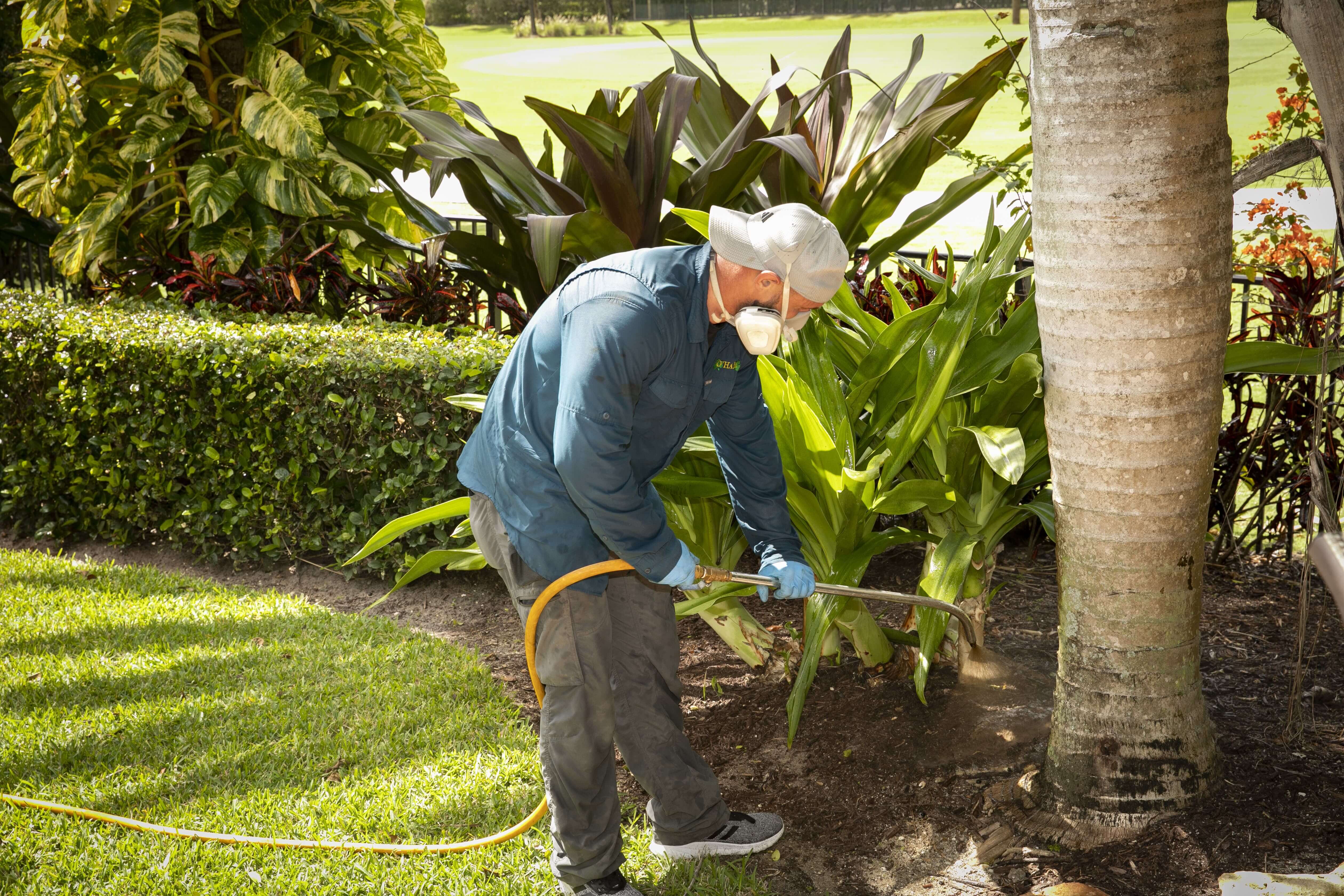
Florida’s climate encourages growth at a pace few regions experience. This benefits turfgrass but also accelerates weed spread. Weeds germinate earlier, stay active longer, and recover faster after mowing or drought. When turf becomes stressed, even briefly, invasive species move into weakened spaces.
Florida temperatures stay warm enough for weed activity through most of the year. Turfgrass may slow down during shorter cool periods, but many weeds keep growing. Humidity also plays a major part.
Moist air supports fungal activity and root spread, creating an environment where certain weeds outcompete weakened grass. Frequent storms add another challenge. Heavy rainfall saturates soil quickly, giving moisture-loving species the advantage.
Much of Florida has sandy soil that drains fast and loses nutrients quickly. When turf can’t hold moisture or receive consistent nutrition, thin spots appear. These bare or weakened areas become perfect germination points for opportunistic weeds.
In coastal regions, salt exposure adds more stress. Turf that struggles with salinity leaves openings where hardier weeds can establish themselves.
Many weed outbreaks happen because lawns receive too much or too little water. Overwatering encourages dollarweed and nutsedge. Underwatering weakens turf and opens the door for crabgrass and torpedograss.
Irrigation needs shift throughout the year, and small changes in frequency or timing can make a noticeable difference. Creating balanced moisture reduces weed pressure and keeps turf healthier overall.
Dollarweed is one of the most recognizable weeds in Florida. It prefers moist or overwatered lawns, but it also tolerates standing water better than most turf species. Because of these traits, it spreads quickly in neighborhoods with heavy irrigation or poor drainage.
Dollarweed spreads through both rhizomes and above-ground stems. This dual method allows it to advance across soil and under turf.
When a lawn stays consistently wet, rhizomes expand rapidly. Even when removed at the surface, the underground structure remains intact.
Early detection helps prevent full lawn takeover. Dollarweed appears as bright green, round leaves that resemble tiny lily pads.
Each leaf connects at the center, giving the weed a distinct shape. It often begins near irrigation heads, shaded corners, and other areas where moisture lingers.
In later stages, dollarweed forms thick, interconnected mats. These mats displace turf and absorb moisture and nutrients more effectively than grass.
Over time, the lawn becomes patchy, spongy, and uneven. Once dollarweed dominates, turf recovery slows dramatically without targeted treatment.
Many homeowners apply general weed killers that damage leaves but leave the root system untouched. Dollarweed survives these treatments and regrows quickly.
Treatments also fail when watering schedules stay the same. If the soil stays saturated, even strong herbicides cannot outperform the weed’s natural advantage.
Reducing irrigation is the first and most important step. Allow the lawn to dry slightly between watering cycles, and adjust sprinkler settings if certain areas stay wetter than others.
Selective systemic herbicides work well when applied during active growth. Multiple treatments spaced properly increase success. Improving soil drainage through aeration or leveling also helps prevent recurrence.
Crabgrass thrives in hot, sunny conditions, which makes Florida an ideal environment for it. Once established, crabgrass grows outward in a wide, flat pattern that smothers nearby turf. It’s common along driveways, sidewalks, and open lawn areas.
Crabgrass produces thousands of seeds per plant. These seeds remain in the soil for years until temperatures rise. When soil warms in early to mid-spring, seeds begin to germinate. Disturbed, thin, or compacted soil provides the best entry points.
Early crabgrass seedlings appear lighter in color than turfgrass. They grow low to the ground in a star-shaped pattern. Identifying these young plants makes control easier because mature crabgrass becomes harder to treat.
As crabgrass matures, tall seed heads appear above the lawn. The plant becomes tougher and more resistant. Because it spreads horizontally, large patches can form in just a few weeks.
Pulling crabgrass by hand usually spreads seeds. Post-emergent products don’t work well if seed heads already developed.
Pre-emergent treatments must be applied at the correct soil temperature window; otherwise, seeds germinate before protection begins. Mowing too short encourages more spread.
The best method involves applying pre-emergent herbicides before soil temperatures reach the germination threshold. Maintaining thicker turf helps shade out new seedlings. Raising mowing height improves turf density.
When crabgrass appears, early-stage post-emergent treatments work better than treating mature plants. Repairing bare areas also reduces future outbreaks.
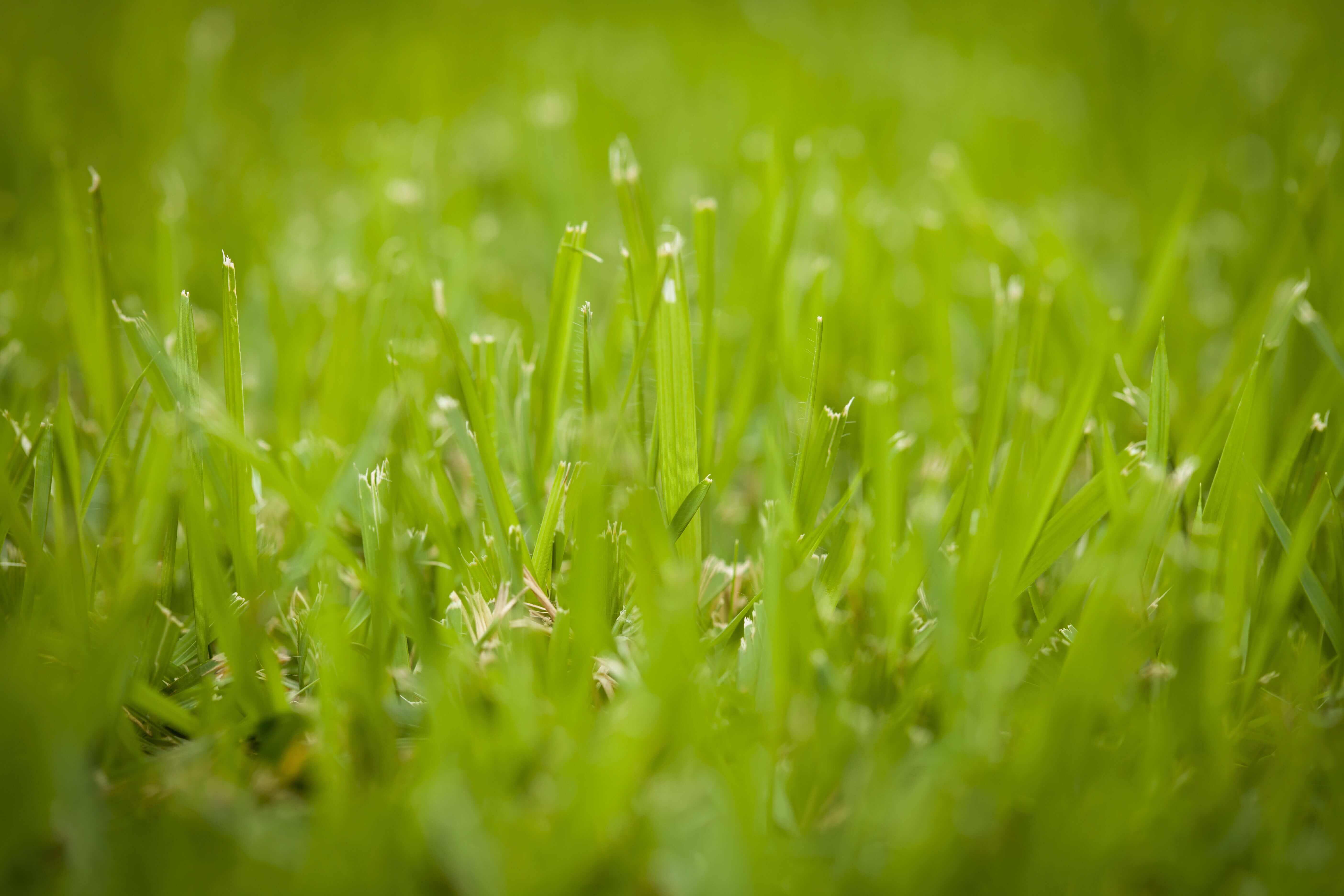
Nutsedge is one of the most frustrating weeds Florida homeowners encounter. Often mistaken for regular grass at first glance, it grows faster, stands taller, and resists most standard treatments.
The challenge comes from its underground structure. Nutsedge spreads through small tubers—called nutlets—that remain buried in soil long after visible growth is removed. Because of this, it returns repeatedly unless treated correctly.
Nutsedge multiplies through rhizomes and nutlets. Each nutlet produces new shoots when conditions become favorable. These nutlets stay dormant for months or even years, which explains why the weed seems to “reappear” after periods of quiet.
Pulling the plant often leaves nutlets behind; disturbance can even stimulate additional growth. Wet or compacted soil provides the perfect environment for nutsedge to dominate, and once it begins spreading, it moves through lawns quickly.
Early recognition helps limit the spread. Nutsedge blades appear waxier and more upright than regular grass. The stems have a distinct triangular shape, which you can feel by gently rolling one between your fingers.
The color is usually brighter, and the growth pattern stands out because it grows faster than turf. You may notice individual spikes rising above the rest of the lawn after mowing.
Advanced nutsedge infestations form dense clusters that expand outward. They alter the look and texture of a lawn, pushing through turf and creating uneven height.
Yellowing or thinning turf often appears around the infestation as the weed competes aggressively for moisture and nutrients. When clusters reach this stage, treating the visible portions alone becomes far less effective.
Standard weed killers don’t reach the nutlets. Many herbicides damage only the top growth. When treated improperly, nutsedge simply regrows from underground structures.
Overwatering the lawn also strengthens nutsedge by keeping the soil consistently moist. Even well-intentioned watering routines can work against turf when nutsedge is active.
Effective nutsedge control begins with soil improvement. Reducing irrigation in problem areas limits new growth. Aerating the soil and relieving compaction help grass grow thicker and create less favorable conditions for nutsedge.
Herbicides designed specifically for sedge control work best because they target the plant’s internal systems. Applying them when the weed is actively growing increases success. Several treatments spaced properly usually deliver stronger results than a single application.
Torpedograss is considered one of Florida’s toughest and most invasive weeds. Its name comes from its pointed, spear-like blades and its forceful spread. While many weeds rely on seeds, torpedograss spreads mainly through rhizomes.
These underground stems grow long and thick, allowing the weed to move under sidewalks, fences, and healthy turf. Once established, torpedograss becomes extremely difficult to remove without targeted strategies.
Torpedograss spreads rapidly through its rhizome network. Even small fragments of rhizome can generate new plants. The rhizomes grow deep and extend over large distances, enabling the weed to spread from nearby fields, ponds, or landscaping areas into residential lawns.
Because of its adaptability, torpedograss grows in both wet and dry soil, making it a threat across many regions of Florida.
Torpedograss has a cooler-toned, blue-green tint, which sets it apart from many warm-season grasses. The blades are firm, pointed, and slightly curved, appearing sharper than typical turfgrass.
Early patches often creep in from the edges of hardscape or property lines. You may notice irregular patches that grow faster or appear thicker than the surrounding turf.
Over time, torpedograss forms dense, rope-like rhizomes under the soil. The surface becomes uneven as the weed displaces turfgrass. Its thick structure crowds out existing grass and prevents new growth from establishing.
Once the rhizome network expands, manual removal becomes nearly impossible. Torpedograss can even pierce through landscape fabric or mulch, which shows how powerful its growth structure is.
Most herbicides don’t kill torpedograss at the root. Some products burn back the top growth without touching the rhizomes that drive spread.
Mowing may worsen the issue because fragments can root and create new plants. Selective herbicide options for certain turf types remain limited. Without the right product and timing, control becomes temporary.
Successful treatment requires a methodical approach. Spot-treating with herbicides designed specifically for torpedograss on your type of turf prevents unnecessary lawn damage. Repeated applications help weaken the rhizome network over time.
Improving turf density also helps slow future spread. Raising the mowing height and maintaining a proper nutrient balance encourage stronger turf roots, which reduces openings where torpedograss thrives. Long-term monitoring matters because even small remnants can restart growth.
These three factors—moisture control, mowing habits, and soil health—affect weed growth more than most homeowners realize. Addressing them consistently reduces the strength of even the toughest weeds.
Many Florida weeds grow fastest in overwatered lawns. Dollarweed and nutsedge, in particular, thrive in soggy soil. Adjusting irrigation schedules to match your turf species helps restore balance.
Watering less often but more deeply encourages stronger turf roots. Proper drainage also plays an important role. Low spots that pool water often become weed hotspots.
Mowing too short weakens turf. When grass loses blade height, it struggles to capture sunlight and loses ground to weeds with stronger growth systems.
Slightly higher mowing protects grass roots, improves shade over the soil, and reduces weed germination. Sharp blades also make a difference because they create cleaner cuts that support turf recovery.
Healthy soil supports turf density, which reduces space for weeds to invade. Aeration helps break up compacted areas and improves water movement.
Soil testing identifies nutrient imbalances that weaken turf. Small changes, such as boosting organic matter or adjusting pH, help strengthen grass and reduce opportunities for invasive weeds to take over.
Even with careful maintenance, many homeowners reach a point where weed problems continue despite repeated attempts to fix them. Florida’s toughest weeds have strong survival systems.
Dollarweed thrives in moisture. Crabgrass survives through seeds that remain in soil for years. Nutsedge regrows from hidden nutlets. Torpedograss spreads by rhizomes that can travel under barriers and into healthy turf. When any of these weeds gain enough ground, control becomes harder without specialized approaches.
Recognizing when DIY efforts no longer produce reliable improvements helps prevent further lawn damage. Persistent or expanding patches, repeated regrowth in the same areas, or infestations covering multiple lawn zones often indicate deeper issues beneath the surface.
These underlying problems may involve soil compaction, overwatering, nutrient imbalances, or an exhausted turf system. Addressing those conditions becomes key to long-term lawn recovery.
Many homeowners begin with off-the-shelf herbicides or manual pulling. These methods can work on mild outbreaks, but tougher weeds often require more targeted solutions. Many treatments don’t reach root systems or underground structures. When weeds return quickly after being removed, that usually signals a need for stronger intervention.
A lawn may also reach a threshold where turf density becomes too weak to compete with weed pressures. When turf loses strength, weeds fill gaps faster. At that point, treatment alone may not restore balance until the turf receives help.
A few warning signs point to larger, lawn-wide issues:
These patterns usually indicate conditions that continue to give weeds the upper hand. Identifying the exact cause requires a closer look at soil structure, turf health, and environmental stress.
A long-term strategy protects your lawn far better than single-treatment approaches. While herbicides play an important role in controlling Florida’s toughest weeds, cultural practices create an environment where turf stays stronger. The more resilient your grass becomes, the harder it is for weeds to return.
Dense grass reduces the open space that weeds need to germinate. Turf thickens when conditions suit its growth patterns. Fertilization tailored to your grass species supports healthier roots and better blade structure.
Aeration improves soil oxygen and makes it easier for turf roots to expand. Top-dressing with organic matter helps sandy soil retain nutrients and moisture. Even slight improvements in soil quality can reduce weed pressure.
Watering schedules make a significant difference. Deep, infrequent watering encourages turf to grow deeper roots. Shallow watering keeps roots weak and encourages weeds that prefer easy access to moisture.
Adjusting irrigation to deliver moisture only when the lawn needs it prevents over-saturation. Smart irrigation systems or simple schedule adjustments help maintain steadier conditions.
Cutting grass at the proper height keeps turf healthier. Taller blades shade the soil, reducing weed germination rates. Each turf species has an ideal mowing height range.
St. Augustine and Zoysia benefit from slightly higher mowing. Bermuda and Bahia tolerate slightly lower heights but still require enough blade length to support photosynthesis. Sharp mower blades create clean cuts that reduce stress and disease risk.
Florida’s warm climate supports year-round weed growth, but certain seasons require more attention:
Understanding these seasonal cycles helps you keep turf stable through environmental changes.
Strong weed control outcomes depend on understanding your lawn’s specific challenges. Soil composition, sun exposure, traffic patterns, and moisture variations differ from yard to yard.
A treatment that works in one neighborhood may not work in another because lawns behave differently based on small environmental differences. Evaluating conditions carefully leads to better long-term decisions.
Healthy soil improves turf resilience and reduces weed opportunity. Soil tests reveal pH levels and nutrient deficiencies.
Sandy soil may need organic amendments to help retain moisture. Compacted soil may need aeration. Each improvement strengthens the turf’s ability to outcompete weeds.
Poor drainage creates ideal conditions for weeds such as dollarweed and nutsedge. Identifying low spots, adjusting grading, or improving soil structure helps reduce moisture retention.
Sometimes simple fixes—like clearing blocked downspouts or adjusting irrigation head placement—make measurable improvements.
Not all turf species perform equally well in every Florida yard. Shade, salinity, and foot traffic influence grass performance.
If turf struggles year after year, reconsidering the grass type may help reduce weed pressure naturally. Stronger turf creates fewer openings for aggressive weeds to establish.

At O’Hara Pest Control, we know Florida’s toughest weeds like dollarweed, crabgrass, nutsedge, and torpedograss require targeted strategies, as they don’t respond well to generic treatments. Their underground structures, rapid growth, and resistance make them some of the most persistent lawn problems.
We evaluate your lawn’s conditions—sun exposure, soil, drainage, turf type, and weed stage—to select treatments that target the source rather than just the visible weeds. We use professional-grade products and timed applications to weaken weeds at their roots, whether deep rhizomes, nutlets, or seed banks.
If weeds are returning or your lawn is struggling, contact O’Hara Pest Control for a professional evaluation and effective, lasting weed control.


.png)
