Be Aware! Dengue Fever is on the rise in South FL - protect your home against Mosquitos by Scheduling your next spray

Seasonal lawn fertilization keeps your turf fed at the right times, so your lawn stays thick, green, and resilient through South Florida’s heat, rain, and stress cycles.
Instead of one-time applications that fade quickly, O’Hara Pest Control builds a recurring, season-based plan tailored to your grass type and current conditions. You’ll get consistent nutrient support, routine lawn checks, and a schedule that helps your lawn hold its color and density while reducing the openings weeds love.
Request a free seasonal fertilization quote today.
Fertilizer isn’t the hard part. Timing, rate, and consistency are where lawns either improve or stall. Our team focuses on practical, repeatable results—built for West Palm Beach lawns, not generic advice.
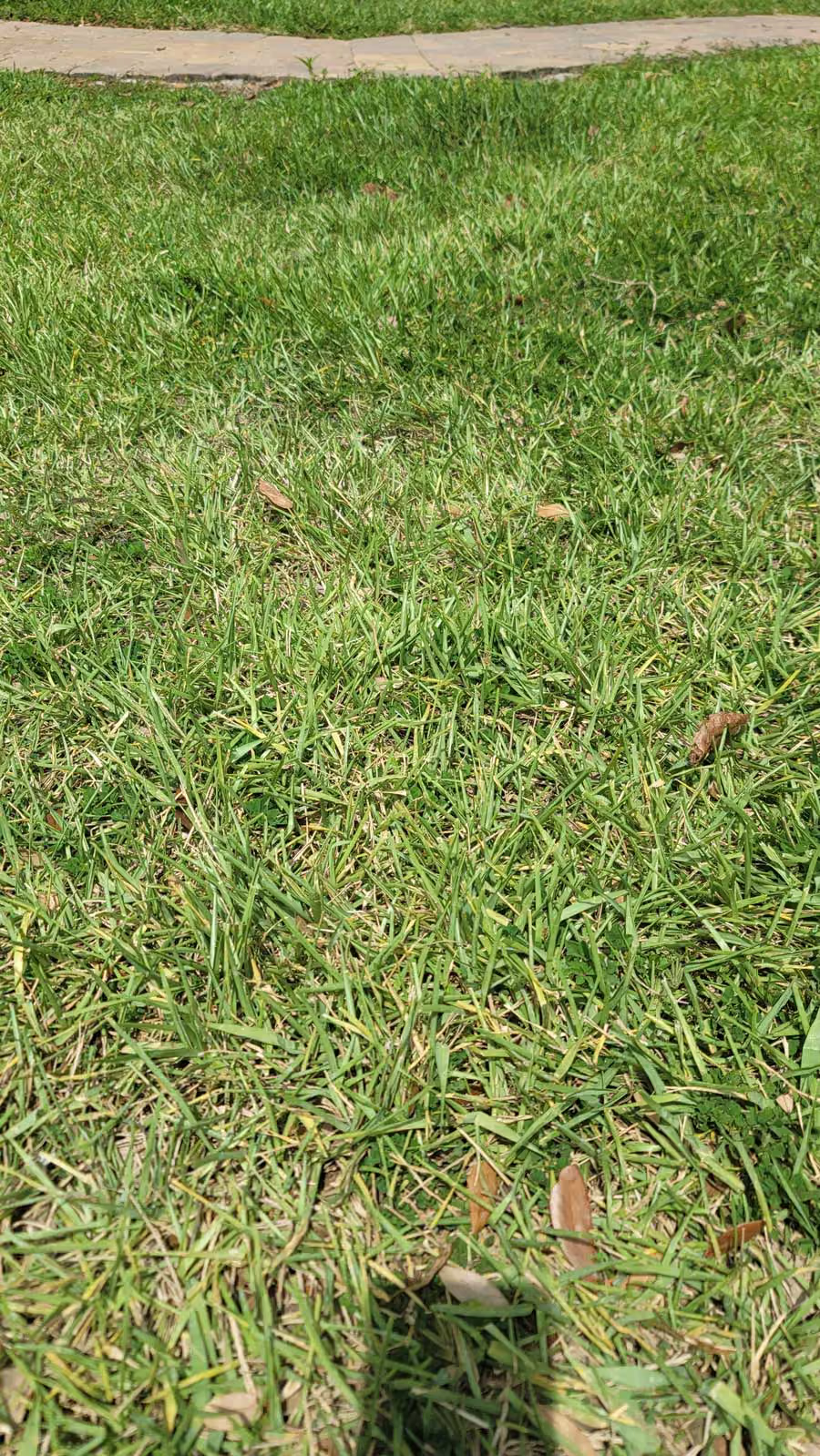
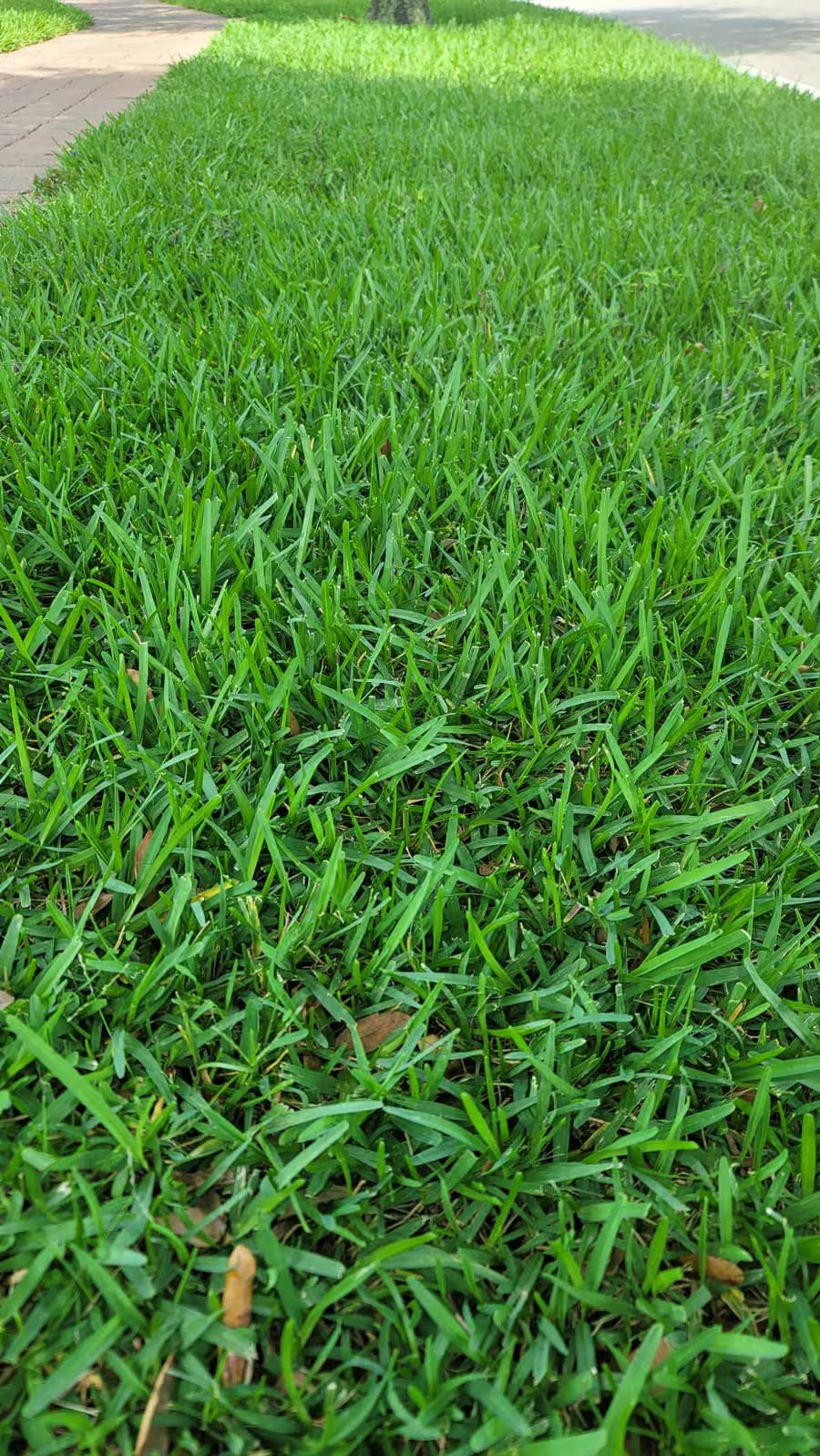
Here’s what sets our fertilization program apart:
Over 50 years of serving South Florida with trusted lawn care and pest control solutions for homeowners and businesses.
Licensed and experienced lawn care professionals trained to identify nutrient deficiencies, weed pressure, insect activity, and lawn diseases.
Customized fertilization plans designed for St. Augustine, Bermuda, Zoysia, Centipede, and other warm season Florida grasses.
Routine lawn health inspections during every visit to catch potential issues early and keep your lawn performing its best year round.
Thousands of satisfied customers who trust O'Hara Pest Control for reliable service and long term lawn care results.
Prefer one team for lawn health and pest protection? Ask about combined lawn + pest programs.
Lawn spraying is an important part of maintaining a healthy, green lawn throughout the year. While fertilization provides your grass with the nutrients it needs to grow, lawn spraying helps protect it from weeds, insects, and common lawn diseases that can prevent it from reaching its full potential.
At O'Hara Pest Control, our lawn spraying treatments are tailored to the needs of your property and work alongside our fertilization program to promote stronger roots, healthier growth, and long-lasting color. By combining fertilization with targeted lawn treatments, we can help reduce weed pressure, minimize pest damage, and create the ideal conditions for a thicker, healthier lawn.
Our lawn spraying services can help with:
Weed prevention and control
Lawn damaging insects
Improved lawn color and density
Stronger, healthier root systems
Year round lawn protection
When paired with a customized fertilization program, regular lawn spraying helps keep your lawn looking its best while reducing stress from Florida's heat, pests, and changing weather conditions.
Seasonal lawn fertilization is built around how warm-season turf grows in Florida. Your lawn’s needs change throughout the year, so your treatment schedule should change with it.
A seasonal strategy typically focuses on:
Spring ramp-up: support for returning growth and early green-up
Summer performance: steady feeding during peak growth and heat
Late-season resilience: preparing turf to handle stress and maintain density
Cooler-month support: lighter adjustments based on growth rate and conditions
We don’t treat every month the same. Your plan is scheduled to match the season, rainfall patterns, and what your lawn is doing right now.
Want a recurring schedule built for your grass type? Book a lawn evaluation + free quote.
A healthy lawn starts with the right nutrients at the right time. At O'Hara Pest Control, we don't believe in one-size-fits-all lawn care. Our fertilization program is customized to your property's grass type, soil conditions, and the unique challenges of South Florida's climate.
Each application is carefully timed to encourage healthy root development, improve lawn color and density, and help your grass withstand weeds, insects, disease, and seasonal stress. We use professional-grade fertilizers designed to provide long-lasting nutrients without encouraging excessive growth.
As part of our lawn fertilization program, we also monitor the overall health of your lawn and make recommendations to help improve its performance throughout the year.
By combining fertilization with proper lawn spraying, weed control, and ongoing maintenance, we help create thicker, greener lawns that stay healthier season after season.Whether your lawn needs a boost after the cooler months or year-round care to keep it looking its best, our team is here to develop a fertilization plan tailored to your property and goals.
Check out our lawn care guide!
Granular fertilizer is applied evenly across turf and watered in through irrigation or rainfall. Many lawns respond well to controlled-release feeding that delivers nutrients over time rather than all at once.
Benefits often include:
More even color
Less risk of overfeeding in one spot
Support that lasts between visits when paired with a recurring schedule
Some homeowners prefer organic inputs. Others prefer traditional synthetic blends. Both can play a role depending on goals and conditions.
Organic fertilizers come from natural sources and can support soil health over time.
Synthetic fertilizers are formulated for predictable nutrient ratios and targeted results.
The better question is usually: What does your lawn need this season—and what schedule supports it?
Weeds love thin turf and stressed lawns. Fertilization alone won’t “kill weeds,” but it can reduce how easily weeds take over by helping grass grow denser and compete better.
A strong program often combines:
Seasonal fertilization
Weed prevention timing
Targeted weed treatments when needed
Monitoring thin areas where weeds are most likely to return
If your lawn continues to develop weeds in the same areas, that’s usually a sign that the turf needs stronger support and a more consistent plan.
Tired of the same weeds coming back? Ask about a seasonal fertilization + weed-control plan.
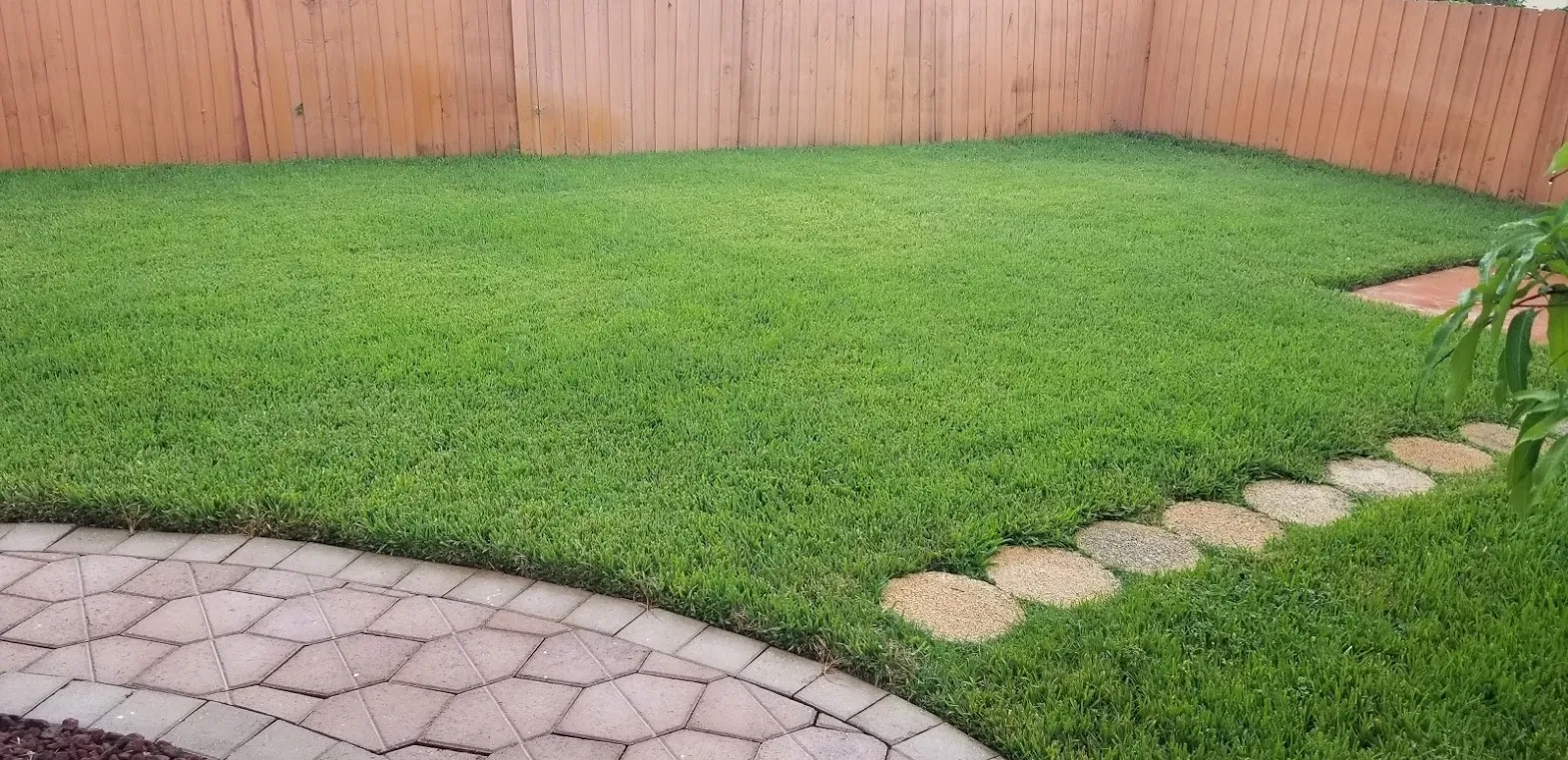
Seasonal lawn fertilization works best when it’s treated like ongoing care, not a one-time drop-off.
Timing your fertilization with rainfall is also important. The best time to fertilize your lawn is after hard rainfall or following a deep watering.
1) Inspect
We look at turf density, color, stress zones, and growth patterns. That helps confirm what the lawn needs now, not what it needed months ago.
2) Apply
We apply fertilization according to the season, lawn condition, and grass type. Coverage and application rate matter, so the goal is even results—not patchy growth.
3) Monitor
Recurring plans make it easier to adjust if your lawn hits a rough patch due to heat, heavy rainfall, pests, or disease pressure.
Grass type (St. Augustine vs Bermuda vs zoysia, etc.)
Current condition (thin, stressed, patchy, or already healthy)
Soil and irrigation patterns
Time of year and growth rate
Weed pressure and landscape layout
Instead of forcing your lawn into a generic schedule, we recommend a plan that matches your property’s reality.
Want a schedule that makes sense for your lawn? Request a free quote and plan recommendation.
We provide seasonal lawn fertilization for:
Homeowners who want consistent curb appeal
Property managers and landlords who need predictable service
Commercial sites where appearance impacts tenant and customer experience
HOA/POA communities looking for clean, maintained turf at scale
If you manage multiple properties, recurring plans keep service organized and easy to coordinate.
Some lawns struggle because nutrients aren’t reaching roots efficiently due to compacted soil, thatch, or poor drainage. In such cases, soil-support services like aeration can enhance your lawn's response to fertilization.
If we believe your lawn would benefit from soil support, we’ll explain why—and then incorporate it into a plan that remains practical.
Warm-season lawns often do best with a recurring, seasonal plan. The ideal frequency depends on the type of grass, lawn condition, and the time of year.
Even coverage matters. Professional application helps avoid missed patches and overfeeding. Watering-in guidance also matters, since many products are designed to move into the soil with moisture.
Professional service improves consistency, timing, and coverage. It also helps adjust your plan seasonally, rather than repeating the same treatment year-round.
Many lawns benefit from watering after application, although the timing depends on the product and the weather. We’ll provide clear instructions after each visit.
Timing depends on the product used and its application method. We’ll provide you with straightforward re-entry guidance after service, so you know what to do.
If you want a lawn that stays green and resilient through South Florida’s changing conditions, seasonal care beats one-time treatments. O’Hara Pest Control offers seasonal lawn fertilization in West Palm Beach with recurring service plans, local expertise, and the option to combine lawn health with pest protection under one trusted team.
Get a free quote for seasonal lawn fertilization and start scheduling your lawn for a treatment it can actually benefit from.


.png)
