Be Aware! Dengue Fever is on the rise in South FL - protect your home against Mosquitos by Scheduling your next spray
Running a restaurant in Florida comes with unique challenges, and pest control is one that never fully disappears. Many owners assume that maintaining a clean kitchen is enough, yet pests still show up at the worst possible times. Seasonal shifts in temperature, humidity, and rainfall create patterns that influence how and when pests become active.
Understanding these patterns is key to protecting your operation, reputation, and compliance. For many restaurant owners exploring commercial pest control in West Palm Beach, the goal is not only to eliminate pests but to stay ahead of them before they become a problem.
Florida’s climate allows pests to remain active year-round. Instead of disappearing during colder months, they adjust their behavior and move into environments that provide food, warmth, and shelter. Restaurants offer all three. Kitchens stay warm, food sources remain consistent, and structural gaps often provide easy access. These conditions make restaurants one of the most attractive environments for pests at any time of year.
Recognizing how pest activity shifts with the seasons allows you to take a more strategic approach. Each season brings different pressures, different pests, and different vulnerabilities. Preparing for those changes helps reduce the risk of infestations, health violations, and disruptions to your business.

Florida’s environment creates a continuous pest cycle. While some regions experience clear off-seasons, Florida’s conditions allow pests to remain active with very little interruption.
Temperatures stay high enough to support breeding cycles throughout most of the year. Pests reproduce faster in warm environments, and many species produce multiple generations in a short time. This rapid growth increases the chance of infestations developing quickly if conditions go unchecked.
Humidity plays a major role in pest survival. Moist environments support insects such as flies, cockroaches, and ants. Water sources, including sinks, drains, and condensation from equipment, create ideal breeding areas. Even small amounts of standing water can support large populations over time.
Restaurants naturally provide what pests need:
Even well-maintained restaurants remain vulnerable because these conditions are part of daily operations. Small lapses in sanitation or structural maintenance can lead to rapid pest activity.
Spring marks the beginning of increased pest movement. As temperatures rise, many pests become more active and begin expanding their populations.
Warmer temperatures trigger breeding cycles. Insects that remained hidden or inactive during cooler periods begin to move toward food sources. Outdoor activity increases, which leads pests closer to restaurants with accessible entry points.
Several pests become more noticeable during this period:
These pests may appear in small numbers at first, but populations can grow quickly if left unchecked.
Spring often brings changes in restaurant operations. Outdoor seating areas reopen. Doors open more frequently due to increased customer traffic. Rainfall introduces moisture that attracts pests. Each of these factors creates opportunities for pests to enter and establish themselves.
Recognizing early signs helps prevent larger problems:
These signs may seem minor, but they often indicate the beginning of a larger issue.
Taking action early reduces the chance of infestations developing:
Starting preventive measures in spring allows you to control activity before it reaches peak levels.
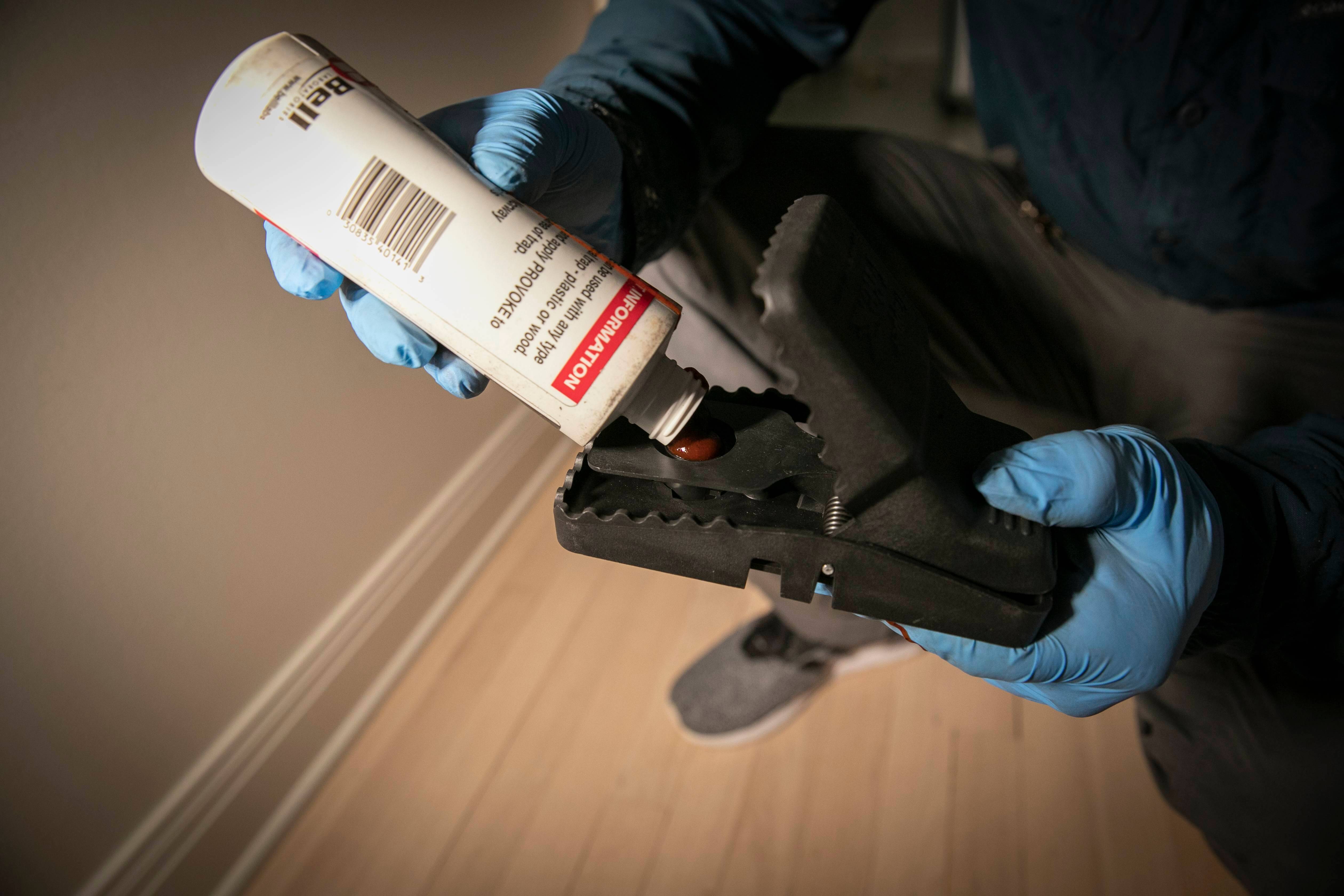
Summer presents the highest level of pest activity in Florida. Heat and humidity combine to create ideal breeding conditions, leading to rapid population growth.
High temperatures accelerate pest reproduction. Food waste breaks down faster, producing strong odors that attract insects. Moisture levels rise, especially during rainy periods, creating additional breeding grounds.
During summer, restaurant owners often deal with:
Each of these pests can affect sanitation and customer experience if not managed properly.
Certain areas become more vulnerable during summer:
These locations provide food, moisture, and shelter, making them prime targets.
Standard treatments often fail during summer because pest populations grow faster than they can be controlled. Improper use of products may not reach nesting areas. Missing even one breeding zone can allow the infestation to continue.
To reduce risk during peak season:
Staying consistent with these practices helps control populations before they escalate.
Fall may feel like a slight break from summer intensity, but for restaurant owners, it introduces a different type of pest pressure. As outdoor conditions begin to shift, many pests look for stable indoor environments where food and warmth remain consistent.
Temperatures begin to dip slightly, especially at night. This shift signals many pests to move indoors in search of shelter. Unlike spring and summer, where pests expand outward, fall focuses on migration. Rodents become more active, and insects begin to settle into protected spaces.
Several pests become more noticeable during this period:
Rodents present the greatest concern because they contaminate food, damage materials, and reproduce quickly once inside.
Rodents do not need large openings. Small gaps allow easy access, especially in areas that receive less attention.
Common entry points include:
Once inside, rodents establish nesting areas close to food sources and begin moving through hidden pathways.

Early detection helps limit damage. Some signs appear quickly:
These signs often indicate that pests have already established a presence.
Preparing for fall focuses on exclusion and monitoring:
Strengthening the building envelope reduces the chance of pests moving indoors.
Many restaurant owners assume winter brings relief. In Florida, this assumption often leads to overlooked infestations. While outdoor activity may decrease slightly, pests shift their focus indoors.
Florida winters rarely reach temperatures that eliminate pests. Instead, cooler conditions push them into warmer environments. Restaurants provide steady heat, consistent food sources, and shelter from outdoor conditions.
Several pests remain active during winter:
Because activity becomes less visible, infestations can grow unnoticed.
Winter infestations tend to stay concealed. Common hiding areas include:
These spaces provide warmth and protection, allowing pests to remain active without detection.
Hidden infestations present serious risks:
When pests remain undetected, the problem becomes harder to control over time.
Maintaining consistent practices prevents winter issues:
Consistency prevents hidden problems from developing into larger infestations.

Many pest problems stem from routine mistakes rather than major failures. Small oversights create opportunities that pests exploit.
Waiting until pests are visible often means the infestation has already developed. Preventive strategies reduce risk before pests establish themselves.
Cleaning routines may focus on visible areas while missing critical zones. Drains, grease traps, and hidden corners often accumulate organic material that attracts pests.
Small cracks or gaps may seem minor, yet they provide easy entry. Over time, these openings allow multiple pests to enter and establish nests.
Improper waste handling creates strong attractants. Overflowing bins, unsealed containers, or delayed disposal increase pest activity.
Employees play a key role in maintaining pest control standards. Without proper awareness, routine actions may contribute to pest problems.
A structured prevention system helps reduce seasonal pest surges. Instead of reacting to problems, restaurants maintain steady control through consistent practices.
Establishing routines keeps environments less attractive to pests:
These routines create consistency that limits pest activity.
Maintaining the building reduces entry points:
Strong structural integrity reduces opportunities for pests to enter.
Tracking pest activity helps identify patterns:
Documentation also supports compliance during inspections.
Pest control strategies should shift with the seasons. Spring focuses on prevention. Summer requires increased cleaning and monitoring. Fall emphasizes exclusion. Winter requires inspection of hidden areas.
Adapting to seasonal changes allows restaurants to stay ahead of pest activity rather than responding after problems appear.
Even with strong routines in place, pest activity can reach a level where internal efforts no longer keep up. Florida’s climate accelerates reproduction cycles, which means infestations can expand quickly once established. When pests begin appearing in multiple areas or returning after repeated cleaning and treatment, the issue often goes beyond surface-level conditions.
Recognizing when to involve professionals protects both operations and reputation. Acting early prevents larger disruptions, especially when dealing with species that multiply rapidly or hide in inaccessible areas.
Certain patterns indicate that pest pressure is increasing rather than stabilizing:
These signs often point to deeper infestations. Addressing them requires a more targeted approach than routine maintenance alone.
Restaurants present unique challenges compared to residential spaces. High traffic, continuous food handling, and frequent deliveries create constant exposure. Pests can enter through shipments, move between storage areas, or hide in equipment where cleaning access is limited.
Even small oversights can lead to rapid population growth. In these environments, precision matters. Identifying the source, targeting breeding areas, and applying treatments at the right time all contribute to effective control.
Health inspections add another layer of pressure for restaurant owners. Inspectors look for signs of pest activity, sanitation issues, and structural vulnerabilities. Seasonal pest surges increase the likelihood of violations if preparation is inconsistent.
Inspections typically evaluate several key areas:
Maintaining these areas consistently reduces the risk of unexpected findings.
Seasonal pest activity influences inspection outcomes. Summer may bring visible fly or roach activity. Fall may reveal rodent entry points. Winter may uncover hidden infestations in storage areas. Understanding these seasonal risks allows you to prepare more effectively before inspections occur.
A few consistent steps improve inspection readiness:
Prepared environments tend to perform better during inspections, even during peak pest seasons.
Restaurants often experience fluctuations in customer volume. Busy periods create additional pressure on sanitation and pest control efforts. Increased food preparation, waste production, and door activity all contribute to a higher risk.
Waste handling plays a critical role during peak periods. Overflowing bins or delayed disposal attract pests quickly. Maintaining a strict disposal schedule reduces exposure.
Frequent door openings allow pests to enter more easily. Installing barriers, such as air curtains or maintaining door closures, helps reduce entry during busy hours.
High demand can lead to rushed storage practices. Keeping items sealed and organized prevents pests from accessing food sources. Even during busy periods, maintaining structure in storage areas makes a difference.
Sustainable pest control depends on adapting to Florida’s seasonal patterns. Each season introduces different pressures, and adjusting your approach accordingly helps maintain balance.
Spring requires early prevention. Summer demands increased vigilance. Fall emphasizes exclusion. Winter focuses on hidden activity. Staying aware of these shifts allows you to act before problems escalate.
Consistency across all seasons creates a stronger defense. Small adjustments, applied regularly, prevent larger disruptions later.
Restaurants that maintain consistent pest control practices often experience fewer disruptions. Stability comes from routine, awareness, and timely response. When staff understand their role and systems remain in place, pest pressure becomes more manageable. Clear communication between team members also helps ensure that small issues are addressed before they escalate into larger concerns.
Confidence grows when you know what to expect and how to respond. Instead of reacting to sudden infestations, you operate with a plan that addresses risks before they develop. Over time, this proactive approach supports smoother operations, protects your reputation, and creates a more controlled, predictable environment for your business.
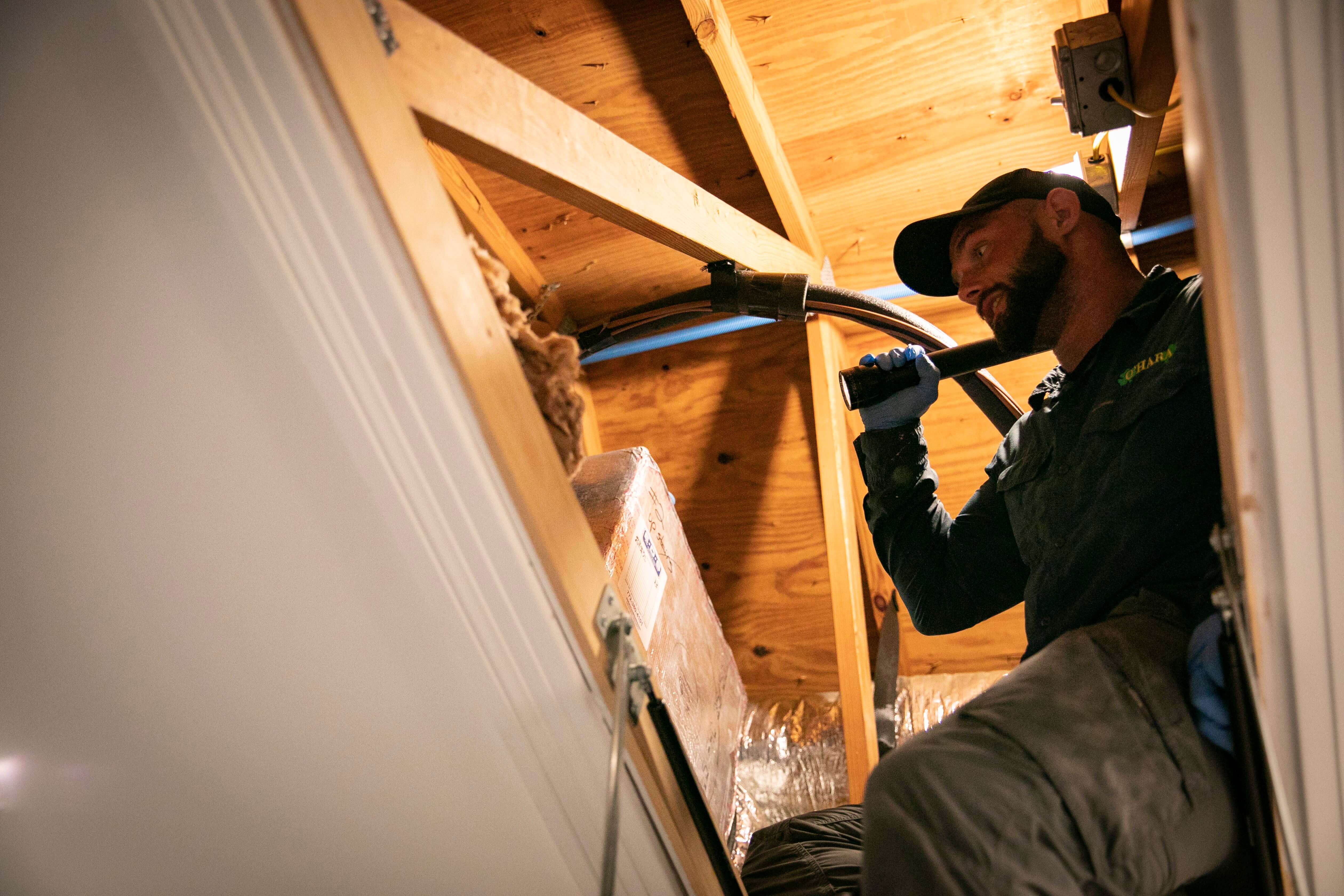
At O’Hara Pest Control, we understand how seasonal pest surges affect restaurants across Florida. Each season brings its own challenges, and each pest requires a specific approach. Ants in spring, flies and cockroaches in summer, rodents in fall, and hidden infestations in winter all demand different strategies.
We focus on identifying the source of pest activity, not just the visible signs. Our team evaluates your facility, from entry points and structural gaps to storage practices and sanitation routines. This allows us to create a plan that addresses current issues while preventing future infestations.
Our approach to commercial pest control in West Palm Beach is built on consistency, precision, and long-term protection. We tailor treatments to your environment, your operations, and the specific pests affecting your business. By staying ahead of seasonal patterns, we help reduce disruptions and protect your reputation.
If you want a proactive solution that adapts with the seasons, we’re here to help. Contact O’Hara Pest Control to schedule an inspection and build a strategy that keeps your restaurant protected year-round.


.png)
