Be Aware! Dengue Fever is on the rise in South FL - protect your home against Mosquitos by Scheduling your next spray
It starts with one. You’re grabbing a late-night snack when something small and brown darts behind the cabinet. You freeze, hoping you imagined it. But deep down, you know what it was—a roach.
At first, it’s easy to rationalize. Maybe it wandered in from outside. Maybe it’s nothing. Yet over the next few days, you notice odd signs: a faint musty odor near the stove, pepper-like specks under the toaster, or faint rustling sounds after dark. That single sighting now feels like a warning.
Roaches are ancient survivors, and their persistence has earned them a reputation few pests can match. They’ve adapted to almost every environment on Earth, thriving where food, warmth, and moisture overlap. Once they find these essentials inside your home, they won’t leave voluntarily.
For homeowners considering cockroach control in West Palm Beach, understanding why infestations occur and when to take action is essential. The sooner you recognize the signs, the easier it is to stop a small intrusion from becoming a full-blown infestation.
Let’s start with the basics: what makes roaches so drawn to our homes in the first place.
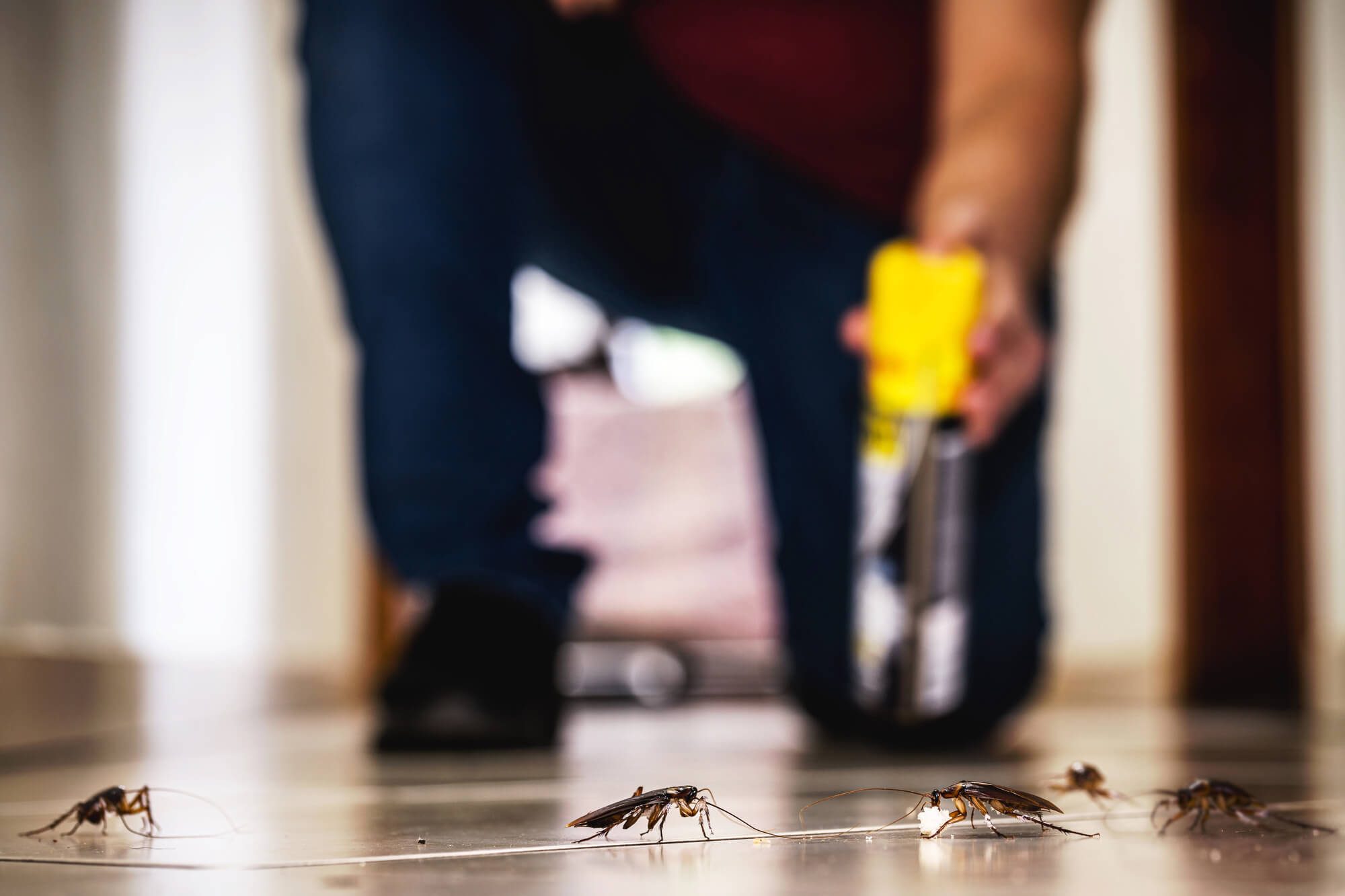
To control roaches effectively, you first need to think like one. These pests don’t wander randomly—they follow survival instincts that have kept them alive for millions of years.
Roaches are among the most adaptable species on the planet. Their design is a product of evolution’s efficiency: compact, flat bodies that fit through gaps the width of a credit card, six quick legs that propel them up to three miles per hour, and sensory hairs that detect the faintest air movements—helping them flee before you even see them.
They’ve evolved to survive extremes. A roach can live a week without its head, hold its breath for 40 minutes, and withstand radiation levels that would be lethal to humans. They can even endure long periods without food by slowing their metabolism.
In the wild, these traits are impressive. In your home, they make roaches formidable opponents. A small plumbing gap, a leaky faucet, or a pile of cardboard boxes can become the foundation of a thriving colony within weeks.
Their resilience also makes infestations deceptively hard to eliminate. Killing a few visible roaches doesn’t solve the problem—it only addresses the tip of a much larger population hiding behind walls, under appliances, or inside voids where sprays and baits can’t easily reach.
The biggest misconception about roaches is that they only live in dirty homes. The truth? They’re opportunists. Clean homes can be just as attractive as cluttered ones if they provide what roaches need: food residue, moisture, and shelter.
Food can mean many things to a roach—tiny crumbs on the floor, grease films behind the stove, soap scum in the bathroom, or even glue on paper packaging. A few unnoticed crumbs behind the refrigerator are enough to keep them going for weeks.
Moisture is equally irresistible. A dripping pipe or condensation under a sink creates an oasis where roaches can drink safely. Since they’re nocturnal, you’ll rarely see them during the day, but at night they emerge to feed and hydrate—then retreat before dawn.
Even your cleaning supplies can play a role. Scented cleaners and air fresheners sometimes contain sugary or organic compounds that can attract certain species. So while your kitchen gleams, the roaches might still find invisible incentives to stick around.
Roaches respond to environmental cues faster than most insects. In humid places like South Florida, they live comfortably outdoors until heavy rains or a drop in temperature drives them inside. They’re not invaders out of malice—they’re simply looking for stable shelter.
Houses with worn window screens, unsealed vents, or cracks in the foundation offer easy access. Once inside, they gravitate toward warmth and humidity. Kitchens, bathrooms, laundry rooms, and basements often host the perfect blend of both.
They also follow air currents that carry faint odors of food. If you live near restaurants, storm drains, or dense landscaping, those scents can lure roaches closer. Once one enters your home, it releases pheromones that attract others, forming a growing colony before you realize what’s happening.
Sometimes, the problem doesn’t start outdoors at all. In apartments, condos, or townhouses, roaches travel easily through plumbing lines, vents, and shared walls. They can squeeze through electrical conduits and pipe openings no wider than a pencil.
Even if your unit is spotless, neighboring infestations can spread without direct contact. When one resident sprays or cleans aggressively, it can drive surviving roaches into adjacent units in search of safer ground.
In single-family homes, the same principle applies when new construction or heavy rain disturbs outdoor colonies. Roaches flee disruption and migrate to the nearest refuge—your home. That’s why even homeowners who keep immaculate spaces sometimes face infestations seemingly out of nowhere.
Spotting a single roach might seem harmless, but it’s often the first hint of a deeper issue. Roaches are secretive, and by the time they’re visible, the population is likely well-established.
Roaches are nocturnal by nature. When you start noticing them in daylight, it’s usually because overcrowding has forced them out of hiding. This means the nesting areas—inside walls, under cabinets, or behind appliances—are already full.
If you’re seeing roaches in multiple rooms, especially during bright hours, it’s a clear sign of heavy infestation. They’re not exploring—they’re competing for space.
Roach droppings look like tiny black specks, resembling ground coffee or pepper. You’ll find them in corners, inside drawers, and along baseboards. Larger species leave elongated droppings with ridges, while smaller ones leave fine dust-like specks.
These droppings aren’t just unpleasant—they’re biohazards. They contain allergens and bacteria that can trigger respiratory issues, especially in children. Smear marks—dark streaks on floors or walls—indicate frequent roach traffic.
A distinct musty or oily smell is one of the clearest indicators of an infestation. Roaches communicate using pheromones, chemical signals that guide others to food or shelter. When populations grow large, the combined scent becomes noticeable—earthy, stale, and impossible to mask with cleaners.
That odor clings to surfaces, fabrics, and even food packaging, spreading faster than most realize. If you notice persistent odors after cleaning, roaches may already be nesting behind walls or inside appliances.
Female roaches produce small brown capsules called oothecae, each holding dozens of eggs. You might find them tucked behind picture frames, under sinks, or along baseboards. Seeing even one suggests multiple adults are reproducing nearby.
Shed skins are another warning. Roaches molt several times as they mature, leaving translucent shells that resemble smaller versions of themselves. These skins often accumulate near nesting sites and release allergenic particles into the air.
Pets can detect subtle movements and sounds humans miss. If your cat suddenly stares at the same corner every night or your dog sniffs persistently under cabinets, they might be tracking hidden roach activity. Don’t ignore their instincts—they often sense infestations before you do.
Allergy-like symptoms, especially at night, can signal a problem. Roach allergens circulate through air vents, causing coughing, sneezing, and itchy eyes. If symptoms worsen in specific rooms—like the kitchen or bathroom—it’s worth investigating for hidden pests.
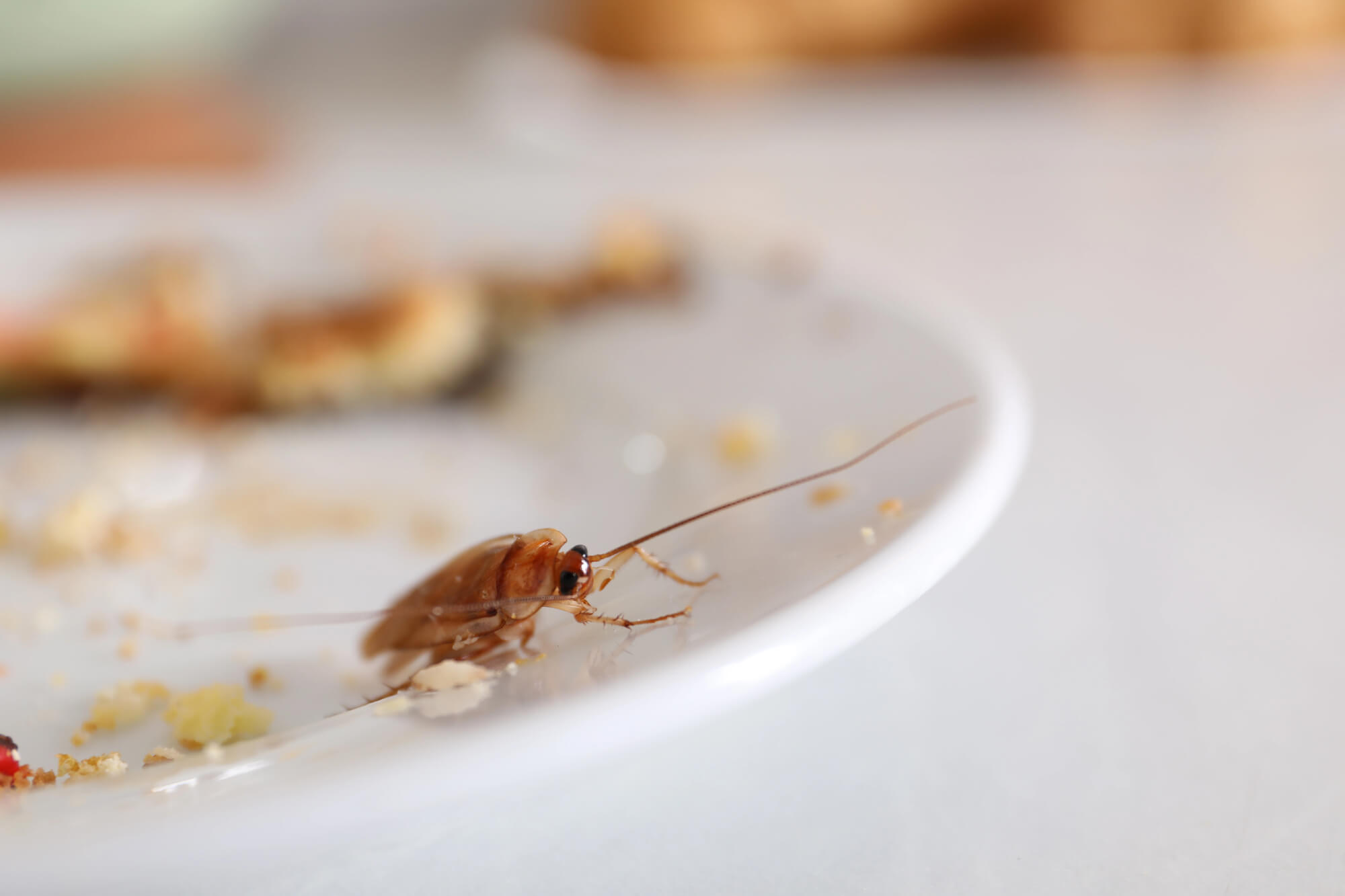
Roaches multiply at an alarming speed. One female can produce hundreds of offspring annually. Each new generation matures within weeks, adding to the population. They hide deep in cracks, lay eggs in protected areas, and emerge mostly at night—making infestations grow quietly until they’re undeniable.
They also develop resistance to common sprays, which is why DIY fixes often fail. Spraying visible roaches kills a few but leaves the colony untouched. Within days, activity resumes stronger than before.
If you’re finding roaches repeatedly despite cleaning and home treatments, it’s a sign the infestation has gone deeper than the surface. Professional inspection becomes the only effective way to locate nests, eliminate colonies, and block future entry points.
When most people think of roaches, they picture disgust rather than danger. Yet beyond the “ick” factor lies a real health concern. These insects are not just uninvited guests—they’re vectors of disease, allergens, and bacteria that can linger long after they’re gone.
Roaches crawl through the most unsanitary places imaginable—sewers, drains, garbage piles, and decaying matter. When they enter your home, they carry those same pathogens with them. As they scurry across countertops, floors, and food surfaces, they leave behind bacteria such as E. coli, Salmonella, and Staphylococcus aureus.
These microorganisms can cause food poisoning, stomach cramps, and diarrhea, particularly in children and the elderly. The problem isn’t always visible either. A single roach walking across a cutting board or utensil drawer can contaminate an entire meal prep area without leaving a trace.
Even stored dry foods aren’t safe. Roaches chew through packaging to access flour, cereal, or snacks. Once contaminated, these products are unsafe to eat, even if they look perfectly fine.
Roach infestations are one of the leading indoor allergy triggers. Their saliva, droppings, and decomposing body parts release microscopic particles that become airborne. When inhaled, these allergens irritate the lungs, especially for people with asthma or respiratory sensitivities.
Children are particularly vulnerable. In many urban areas, studies have shown a strong correlation between cockroach allergens and an increase in asthma attacks among children. Even after an infestation is cleared, allergens can persist in carpets, upholstery, and air vents for months.
If you’ve noticed your family sneezing more often or experiencing unexplained coughing fits—especially at night—it might be linked to hidden roach activity.
Kitchens are a paradise for roaches. Warmth, water, and food scraps make them ideal nesting zones. Roaches feed on anything organic, including crumbs, grease, and even soap residue. But as they feed, they defecate and shed skin, contaminating every surface they touch.
Cross-contamination happens easily. You might clean the counters but forget the cabinet edges, or sanitize your sink but overlook the drainpipe beneath. Roaches crawl through these same spots nightly, spreading bacteria to places cleaning products can’t always reach.
The result: even the cleanest kitchen can quickly become a health hazard.
Beyond physical health, infestations take a toll on mental comfort. Seeing roaches regularly can create anxiety and sleeplessness. Many homeowners describe feeling uneasy in their own homes, afraid to turn on lights or enter certain rooms at night.
The stress of dealing with recurring infestations, especially after failed DIY attempts, can also lead to frustration and embarrassment. People often blame themselves, not realizing how common these issues are in humid regions like Florida.
However, the truth is that infestations aren’t a reflection of poor housekeeping; they’re a product of environment and biology. Roaches go where they can survive. Understanding this removes the stigma and helps homeowners focus on effective solutions instead of guilt.
When homeowners first encounter roaches, most reach for store-bought sprays or traps. It seems like a practical and inexpensive way to solve the problem. But these quick fixes rarely last—and often make things worse.
A direct spray might kill a few roaches, but colonies live deep inside walls, behind cabinets, and under floors. Killing the visible roaches doesn’t affect the hundreds hidden away. It can even cause surviving roaches to scatter, spreading the infestation into new areas of the home.
Contact sprays are short-term solutions at best. Without addressing egg cases, nesting sites, and food access, infestations rebound.
Glue traps can help monitor roach activity, but they rarely reduce populations meaningfully. They work on individual roaches, not colonies. You might catch a few stragglers and think the problem is solved—only for activity to surge again weeks later.
Traps also fail when placed incorrectly. Roaches prefer tight, dark areas along walls and baseboards, rather than open spaces. Without expert placement and follow-up monitoring, they capture only a fraction of the actual infestation.
DIY mixtures, such as baking soda and sugar, boric acid, or essential oils, can help kill certain types of roaches. However, they rely on direct contact or ingestion—both of which are unlikely when dealing with cautious, nocturnal pests.
Roaches evolve quickly. Some species even develop bait aversion, learning to avoid substances that killed their colony mates. Within a few generations, those baits become useless.
While these methods may temporarily reduce activity, they don’t address the root of the problem. Nests remain untouched, eggs keep hatching, and soon the cycle restarts.
The most significant drawback of relying solely on DIY methods is underestimating the extent of the infestation. Roaches reproduce fast. A single female can produce up to 400 offspring in her lifetime. By the time you notice regular sightings, there could already be hundreds hiding in your home.
Meanwhile, droppings and allergens continue to accumulate. The longer you wait for complete control, the greater the risk of contamination and structural damage.
What starts as a $10 can of bug spray can turn into hundreds—or thousands—of dollars in cleanup, repairs, and professional treatment later. Roaches can damage paper goods, electrical wiring, and even insulation.
Waiting too long also means more intense treatments down the line. A small, localized infestation might need a few baits and barrier applications. A widespread one could require multi-visit treatments and comprehensive sealing work.
The sooner you act, the simpler and cheaper it is to regain control.

There’s a point where DIY stops working. Knowing when you’ve reached that point is crucial for saving both your home and your sanity.
Daytime activity signals overpopulation. Roaches are nocturnal and hide well. If they’re wandering around when the lights are on, it’s because their nesting spaces are overcrowded. That’s when professional intervention becomes essential.
If a musty smell lingers even after deep cleaning, there’s likely a large colony nearby. Professionals use detection tools and inspection techniques to find hidden nests behind walls, under appliances, and inside drains—areas DIY sprays never reach.
If you’re constantly cleaning up droppings only to find more days later, it’s a sure sign that the infestation is ongoing. Exterminators identify entry points and treat those specific areas, breaking the cycle rather than masking the evidence.
When homemade remedies, traps, and sprays fail, professionals can step in with targeted solutions. Licensed pest technicians use baiting systems, growth regulators, and non-repellent insecticides that kill colonies at their source—without driving survivors deeper into hiding.
They also provide prevention strategies, ensuring roaches don’t return once the infestation is gone.
Seal cracks and gaps around plumbing, windows, and vents. Roaches can squeeze through openings thinner than a coin, so even small repairs make a big difference. Add weatherstripping under doors and replace worn seals on sliding glass entries to close off entry points.
Repair leaks immediately, empty drip pans under appliances, and use dehumidifiers in areas prone to dampness. Roaches are drawn to humidity and condensation, so drying out high-moisture areas takes away one of their key survival sources.
Use airtight containers for pantry items, avoid stacking cardboard boxes, and vacuum under appliances where crumbs and grease tend to accumulate. Clean, organized spaces remove food and hiding spots, making your home less appealing to pests.
Consistent habits build lasting protection and keep your home healthy long after treatment.
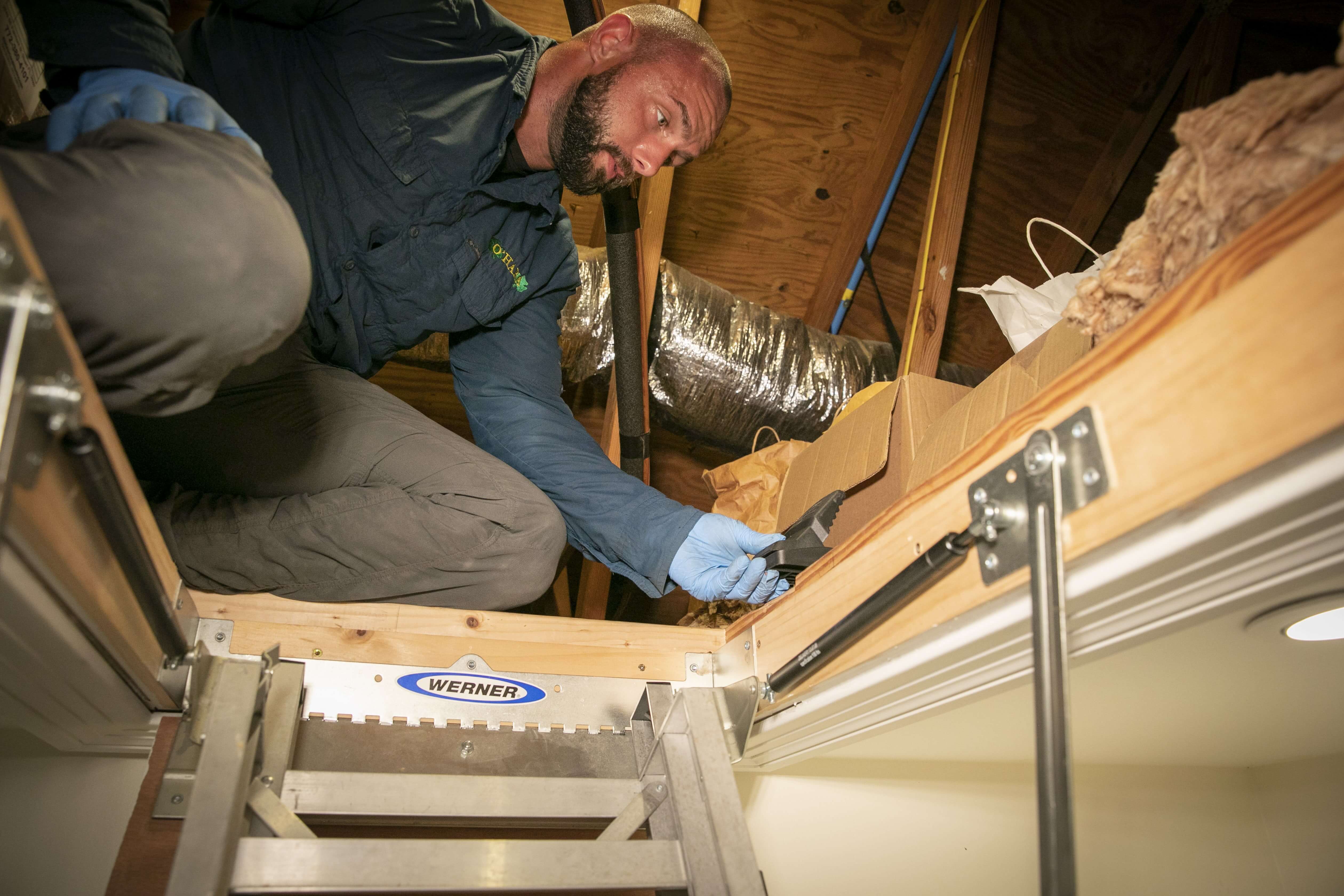
Even with diligent upkeep, roaches can reappear—especially in humid environments like South Florida. When that happens, expert help makes all the difference.
At O’Hara Pest Control, we specialize in effective cockroach control through thorough inspections and targeted treatments. Our eco-friendly methods ensure safety for pets and families, while our maintenance programs help prevent future infestations.
A clean home is good, but a professionally protected home is better. Whether you've spotted a few roaches or want to ensure your space remains secure, contact O’Hara Pest Control for an inspection. Our team will restore your comfort and confidence, allowing you to enjoy your home free from unwanted guests.


.png)
