Be Aware! Dengue Fever is on the rise in South FL - protect your home against Mosquitos by Scheduling your next spray
Many Florida business owners feel frustrated when pests return shortly after treatment. You may schedule service, see improvement, then notice activity again within weeks. This pattern often leads to the assumption that treatments aren’t working. In reality, reinfestation usually comes from something far less obvious: access.
In regions where pest control in West Palm Beach is a constant concern, pests don’t need large openings or poor sanitation to return. They need small, unnoticed entry points and consistent conditions that allow them to settle back in.
Florida’s climate creates constant pressure. Heat, humidity, and frequent rainfall support rapid breeding cycles. Commercial properties provide stable temperatures, shelter, and steady access to food or moisture.
When these conditions combine with hidden entry points, pests reappear even in well-maintained businesses. Understanding how and where they enter becomes the first step toward stopping the cycle.

Reinfestation isn’t usually caused by one single factor. It’s a combination of environmental pressure, structural vulnerabilities, and incomplete prevention strategies.
1. Florida’s Climate Increases Pest Pressure
Warm weather extends pest activity through most of the year. In colder regions, pest populations decline seasonally. In Florida, they continue breeding. Cockroaches, ants, rodents, and flies reproduce faster when temperatures remain stable. Humidity supports survival and increases access to moisture. Even a short lapse in control allows populations to rebuild quickly.
Businesses naturally create conditions that pests seek. Food preparation areas, storage rooms, trash zones, and mechanical spaces all provide resources. Even offices with minimal food sources still offer shelter, water from plumbing, and stable temperatures. Activity continues day and night, which allows pests to move without long interruptions.
Many pest control efforts focus on eliminating visible activity. While this reduces populations, it does not stop new pests from entering. If entry points remain open, pests return through the same paths. Reinfestation happens because the environment remains accessible.
Pests require very little space to enter. Rodents can squeeze through gaps the size of a coin. Insects enter through barely visible cracks. These openings often go unnoticed because they exist behind equipment, inside walls, or along structural seams. Without addressing these points, treatments alone cannot provide lasting results.
The Most Overlooked Pest Entry Points in Commercial Buildings Many entry points remain hidden in plain sight. They’re overlooked because they seem minor or blend into the building’s structure. Identifying these areas helps prevent repeated infestations.
Doors serve as one of the most common entry points. Even well-maintained doors develop small gaps over time. These gaps form under thresholds or along edges where seals wear down.
High-traffic doors increase exposure. Delivery entrances, back doors, and service doors often remain open for extended periods. This allows pests to move freely between outdoor and indoor environments. Even doors that close properly may lack tight seals, giving insects and rodents enough space to enter.
Weatherstripping plays an important role. When it becomes worn or misaligned, gaps widen. Light visible under a door often signals a problem. Small openings become entry points that remain active every day.
Pipes and utility lines create direct pathways into buildings. These penetrations often exist behind walls, under sinks, or near equipment. In many cases, the openings around pipes are not sealed completely.
Moisture makes these areas even more attractive. Leaks or condensation provide water sources that support pest survival. Kitchens, restrooms, and mechanical rooms become hotspots because they combine access with moisture.
Electrical conduits also create entry points. Wiring often runs through walls and ceilings without tight sealing. These gaps connect indoor and outdoor spaces, allowing pests to move through unnoticed.
Roof areas receive less attention than ground-level entry points. Small openings near vents, flashing, or roof edges allow pests to enter from above. Birds, rodents, and insects often use these areas as access points.
Inside the building, ceiling voids create hidden pathways. Drop ceilings conceal movement. Once pests enter these spaces, they travel across rooms without being seen. HVAC systems add another layer of complexity. Ductwork connects different areas, allowing pests to spread quickly throughout the building.
Damage or wear increases these risks. Loose panels, aging materials, and poorly sealed vents all create opportunities for entry.
Over time, buildings shift slightly. This creates cracks in walls and foundations. These cracks may appear minor, but they provide consistent access points for pests.
Exterior walls often develop small separations around joints, windows, or mounted fixtures. Signage, lighting, and external equipment create additional openings where sealing may be incomplete. These areas are easy to overlook during routine inspections.
Once pests enter through these cracks, they move into wall voids or floor spaces. From there, they expand into occupied areas.
Windows and vents create ventilation and light, but they also introduce risk. Damaged screens or loose seals allow insects to enter freely. Even small tears in screens become entry points.
Vent openings without protective mesh allow pests to pass through. Airflow systems can pull insects inside, especially during humid conditions. Windows that do not close tightly create gaps that remain open throughout the day.
Regular inspection helps identify these vulnerabilities before they lead to larger problems.
Loading docks serve as constant access points for pests. Doors open frequently, sometimes for long periods, which allows insects and rodents to enter without resistance. Deliveries introduce additional risk. Boxes, pallets, and containers may carry pests from other locations, bringing them directly into your facility.
Cardboard and wooden pallets provide ideal shelter. They retain moisture, offer hiding spots, and often remain undisturbed for extended periods. Storage areas that lack organization create even more opportunities for pests to settle. Clutter makes inspection difficult, allowing infestations to grow before they are noticed.
Keeping loading areas clean and organized reduces these risks. Quick door closures, sealed thresholds, and regular inspection of deliveries help limit pest entry. Even small improvements in how materials are handled can reduce long-term infestations.
The area surrounding your building plays a major role in pest activity. Overgrown plants, mulch beds, and standing water create ideal conditions for insects and rodents. When vegetation touches exterior walls, it creates a direct bridge for pests to move inside.
Moisture remains one of the biggest attractants. Irrigation systems that oversaturate soil or create pooling water increase pest pressure. Trash areas located close to entrances also draw pests toward the building. Once they are nearby, entry becomes easier.
Maintaining a clear barrier around the structure helps reduce risk. Trimming vegetation, managing drainage, and keeping trash areas clean all contribute to better pest control. Exterior maintenance often has a direct impact on what happens inside.
Drain systems often go unnoticed during routine inspections. They provide direct pathways from underground systems into commercial spaces. Cockroaches, flies, and other pests use these routes to enter buildings, especially when drains are not maintained properly.
Dry drain traps create easy access. When water evaporates, pests move through the opening without resistance. Grease buildup and organic debris also attract insects. Kitchens and food preparation areas are especially vulnerable.
Regular cleaning and maintaining proper water levels in traps help block access. Drain covers and screens add another layer of protection. Addressing these areas prevents pests from entering through one of the most overlooked pathways.
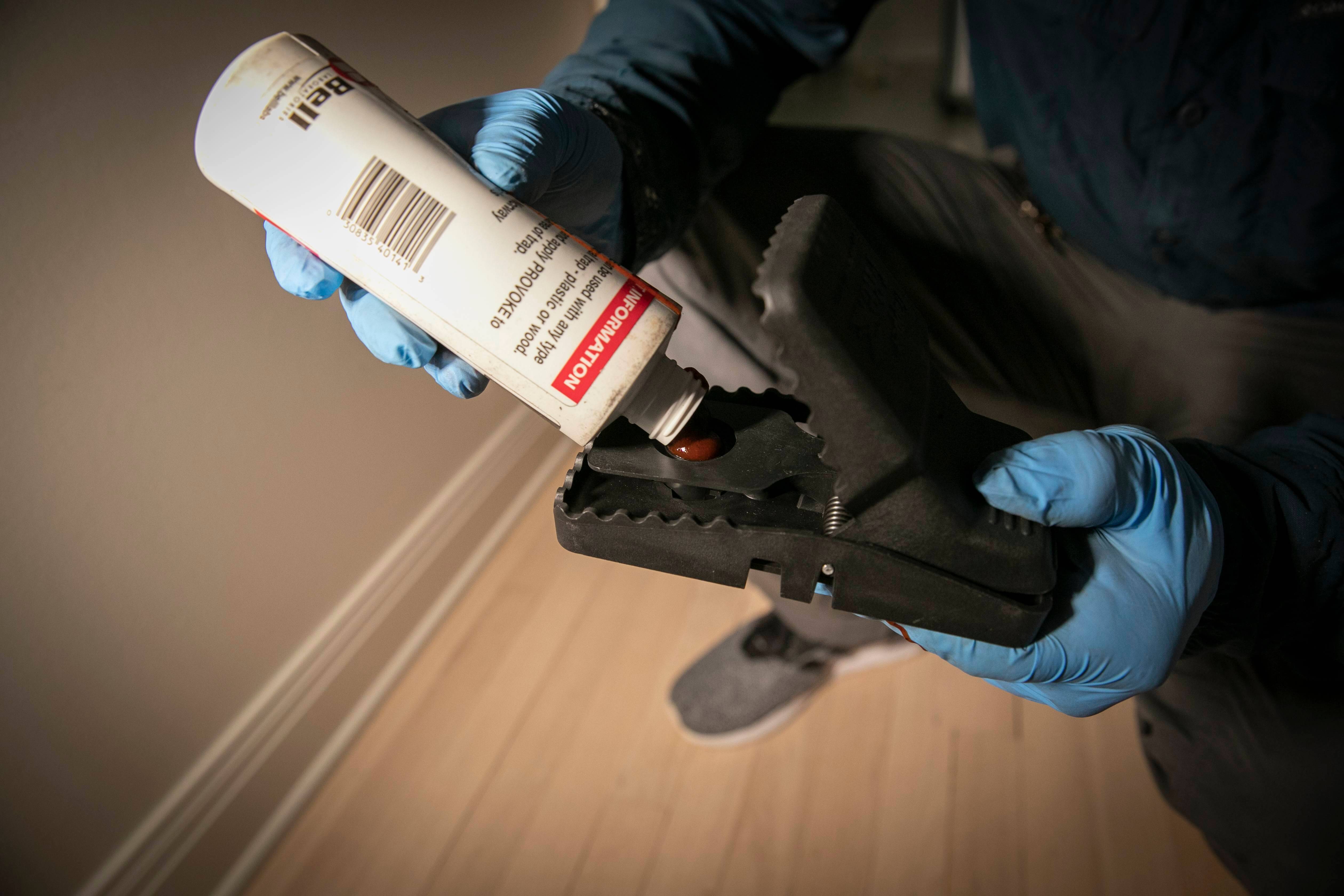
Different types of businesses face different pest pressures. Understanding these differences helps identify risks that may not be obvious at first glance.
Restaurants deal with constant exposure to food, moisture, and waste. These elements attract pests even when sanitation standards are high. Entry points often develop around back doors, delivery areas, and floor drains.
Grease buildup creates strong attractants. Even small amounts left behind support pest activity. Food debris in hidden areas, such as under equipment, allows pests to establish themselves. Frequent deliveries increase the risk of introducing pests from outside sources.
Attention to both entry points and sanitation helps reduce reinfestation. Sealing gaps, maintaining drains, and inspecting deliveries become essential parts of prevention.
Warehouses provide large, open spaces where pests can move freely. High ceilings, shelving systems, and stored goods create ideal nesting areas. Entry points often exist along loading docks, rooflines, and structural seams.
Frequent shipments introduce pests regularly. Stored materials provide shelter, especially when inventory remains in place for long periods. Rodents often establish nesting areas within pallets or packaging materials.
Reducing clutter and maintaining clear pathways improves visibility. Regular inspection of incoming goods helps prevent infestations from spreading.
Offices may appear low-risk, but pests still find opportunities. Breakrooms, restrooms, and plumbing systems provide food and water sources. Entry points often exist in shared walls, ceilings, and HVAC systems.
Multi-level buildings allow pests to travel between floors. HVAC systems connect different areas, creating hidden pathways. Small infestations can spread without being noticed until activity becomes visible.
Routine inspection of common areas and sealing of shared spaces helps limit movement. Monitoring activity during off-hours often reveals issues that remain hidden during the day.
Retail spaces share walls, ceilings, and utility systems with neighboring businesses. This creates a situation where pest activity in one unit affects others. Even if one business maintains strong control measures, pests can enter through shared structures.
Common trash areas increase exposure. Food waste and packaging materials attract pests, which then move into nearby units. Entry points along shared walls or ceilings allow movement between spaces.
Communication between tenants and property management becomes important. Addressing building-wide issues prevents repeated reinfestation.
Many pest control efforts focus on visible activity. While this provides short-term relief, it does not address the underlying causes of reinfestation.
Reactive treatments eliminate pests after they appear. Preventative strategies stop them from entering in the first place. Without prevention, infestations return.
Entry points often remain unaddressed during routine service. Small gaps, cracks, and openings continue to allow pests inside. Without sealing these areas, treatments lose effectiveness.
Chemical treatments alone cannot solve access problems. They reduce populations but do not prevent new pests from entering. Long-term success requires a combination of treatment and exclusion.
Gaps between treatments allow pests to reestablish. Regular service helps maintain control, but it must align with pest activity levels.
Staff may notice early signs but fail to report them. Delayed response allows infestations to grow. Training employees to recognize warning signs improves response time.
Spotting entry points requires attention to detail. Many openings remain unnoticed because they are small or hidden.
Look for gaps around doors, windows, and walls. Check areas behind equipment and along baseboards. Inspect utility lines and plumbing connections.
Common indicators include:
Sticky traps help identify movement patterns. Drain inspections reveal hidden access. Regular checks allow you to catch problems early.

Stopping reinfestation requires more than reacting to visible pest activity. Long-term prevention focuses on closing access points, reducing attractants, and maintaining consistent oversight. When these elements work together, pest pressure decreases, and control becomes easier to maintain.
Closing gaps and cracks remains one of the most effective ways to prevent pests from returning. Even small openings allow insects and rodents to enter. Sealing around pipes, doors, windows, and utility lines reduces access immediately.
Common sealing improvements include:
Routine inspection ensures these fixes remain effective. Over time, materials wear down, and new gaps can appear.
Moisture attracts many common pests. Addressing leaks and controlling humidity reduces conditions that support infestations. Plumbing systems should remain dry and well-maintained. Condensation around equipment should be monitored.
Improving drainage also helps. Standing water near the building creates ideal breeding conditions. Adjusting irrigation and clearing blocked drains reduces this risk.
Clean environments still attract pests if food or shelter remains accessible. Proper storage reduces this risk. Airtight containers limit access to food sources. Organized storage makes inspection easier and reduces hiding places.
Regular cleaning schedules should include areas that are often overlooked, such as behind equipment and inside storage rooms. Removing clutter improves visibility and limits nesting opportunities.
Frequent inspection allows early detection. Small problems can be addressed before they spread. Monthly walkthroughs help identify new entry points or signs of activity.
Inspections should include:
Consistent monitoring creates a proactive approach that reduces long-term issues.
Integrated Pest Management combines monitoring, prevention, and targeted treatment. This approach focuses on long-term control rather than short-term fixes. By addressing environmental factors and entry points, IPM reduces reliance on repeated chemical treatments.
IPM also improves efficiency. Treatments become more precise, and fewer applications are needed over time. This approach supports both pest control and overall building maintenance.
Some pest problems go beyond what basic prevention can solve. When infestations persist despite improvements, a more thorough evaluation becomes necessary.
Several indicators suggest that reinfestation requires expert attention:
At this stage, identifying the source of the problem becomes more complex. Professional assessment provides a broader view of the building and its vulnerabilities.
A professional inspection looks beyond visible activity. It examines structural details, environmental conditions, and patterns of pest movement. This approach identifies causes that may not be obvious during routine checks.
Professionals also provide targeted solutions. Instead of applying general treatments, they match strategies to specific conditions. This improves effectiveness and reduces repeated infestations.
Preventing reinfestation involves more than eliminating pests. It requires creating an environment that limits access and reduces conditions that support survival. When these elements are addressed consistently, pest activity decreases.
Small improvements deliver long-term results when maintained consistently. Sealing one gap helps, but maintaining all entry points prevents future issues. Monitoring moisture helps, but ongoing control keeps conditions stable.
Consistency also improves awareness. Staff become more familiar with normal conditions and can identify changes quickly. Early detection leads to faster response.
Buildings change over time. Wear and tear create new openings. Landscaping grows and shifts. Weather patterns vary throughout the year. Adjusting prevention strategies keeps pest control effective.
Regular updates to maintenance routines help address these changes. Reviewing inspection processes and updating repairs ensures continued protection.
Employees play a key role in prevention. They interact with the space daily and often notice changes first. Training staff to recognize signs of pest activity improves response time.
Encourage reporting of:
Quick reporting allows faster action and limits the spread.

At O’Hara Pest Control, we understand how frustrating reinfestation can be for Florida businesses. Many property owners treat visible activity but miss the entry points that allow pests to return. We take a different approach by identifying hidden vulnerabilities throughout your property—doors, utility lines, roofing, drainage, and environmental conditions like moisture and storage practices.
Our team combines targeted treatments with exclusion strategies to deliver long-term results, not temporary relief. Every plan is tailored to your building and level of pest activity. If pests keep coming back, it’s time for a more effective solution. Contact O’Hara Pest Control to schedule an inspection and achieve lasting pest control in West Palm Beach.


.png)
