Be Aware! Dengue Fever is on the rise in South FL - protect your home against Mosquitos by Scheduling your next spray
Cockroaches are frustrating enough when they appear once. Seeing them again after treatment is worse, especially when your home is clean and you have already taken steps to solve the problem. For homeowners searching for cockroach control in West Palm Beach, recurring activity can raise an important question: why do these pests keep coming back?
The answer is rarely as simple as a treatment failing. Cockroaches are adaptable, reproduce quickly, and can remain hidden in places that are difficult to reach. A home may also continue providing moisture, food, shelter, or entry routes after visible activity has declined.
Understanding those factors can help homeowners respond with a more complete strategy instead of repeatedly treating the same symptoms.
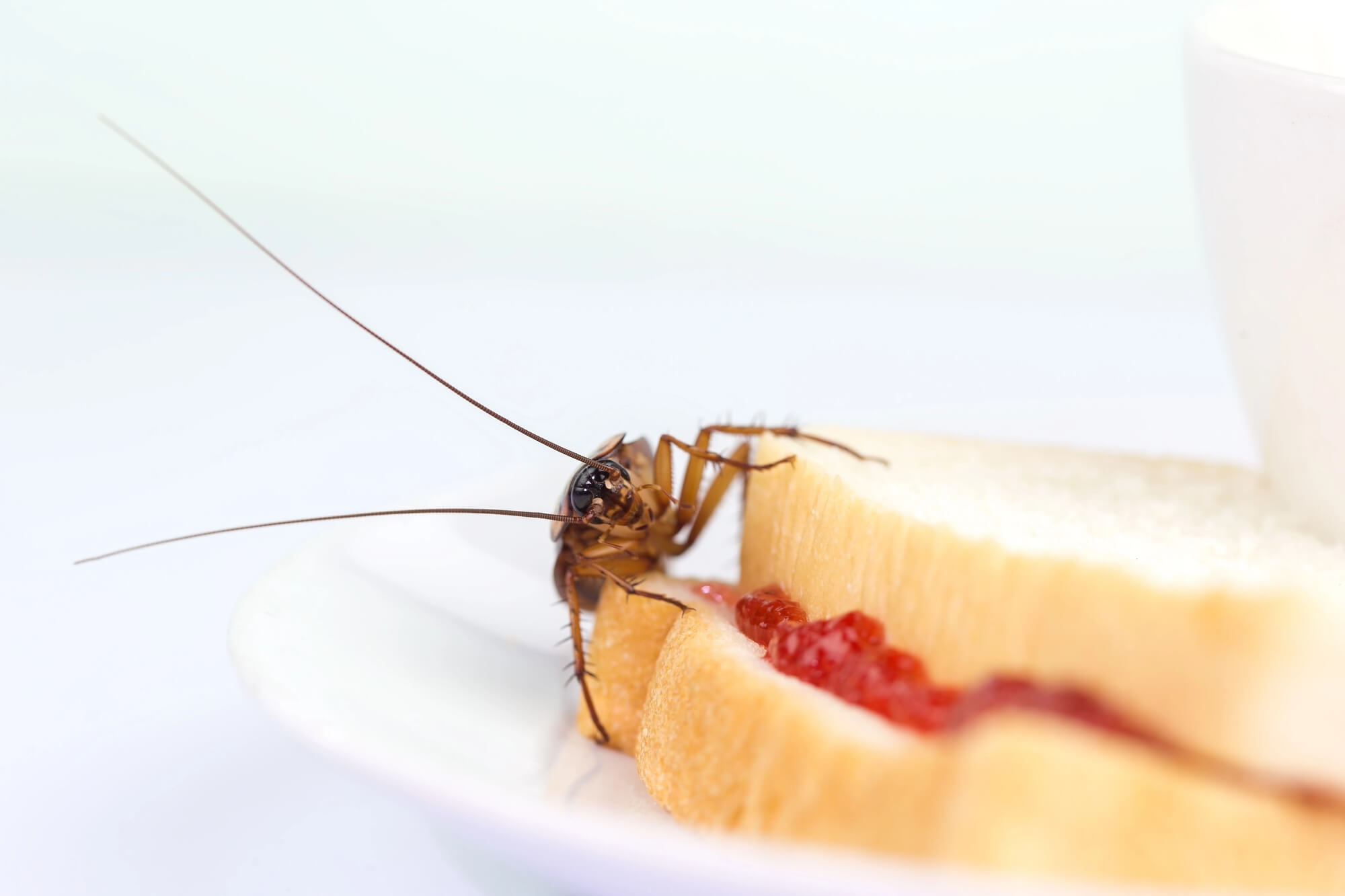
A temporary reduction in sightings does not always mean an infestation has been eliminated. Cockroaches can remain hidden while treatments take effect, and new activity can emerge when conditions continue to support the population. Seven common factors can explain why a home does not stay roach-free.
These pests are experts at finding protected spaces. They can hide behind refrigerators, beneath cabinets, inside wall voids, around plumbing penetrations, and in other narrow areas that receive little disturbance. These locations can protect roaches from treatments aimed at exposed surfaces.
Even when visible activity disappears, surviving cockroaches may remain in these harborages. They can emerge later to search for food and water, creating the impression that the infestation suddenly returned. Finding and addressing likely hiding areas is an important part of lasting control.
Cockroach populations can persist because egg cases are difficult to address with many treatments. A female may deposit an ootheca in a protected location where developing cockroaches remain shielded from products used on exposed surfaces.
Newly hatched nymphs can begin moving through the home after the initial treatment has reduced adult activity. This can make it appear that the treatment stopped working when the population is actually progressing through its life cycle. Monitoring after treatment is important because new activity may require additional attention.
Cockroaches need very little food to survive. Crumbs beneath appliances, grease residue, food particles in cabinets, pet food, and poorly sealed trash can provide enough nourishment to support continued activity. A kitchen does not need to be visibly dirty for these resources to exist.
Reducing accessible food helps make the environment less attractive. Store pantry items in sealed containers, clean hard-to-reach areas, remove food waste regularly, and avoid leaving pet food available overnight. These steps support treatment by reducing opportunities for surviving roaches to feed.
Water can be just as important as food. Leaking pipes, condensation, damp cabinets, pet water bowls, and moisture around appliances can create dependable hydration sources. Bathrooms, kitchens, laundry areas, and utility spaces are especially important places to inspect.
Fixing leaks and improving ventilation can reduce these opportunities. Keeping sinks and counters dry when practical also helps. A treatment may reduce the population, but persistent moisture can make the property attractive to new or surviving roaches.
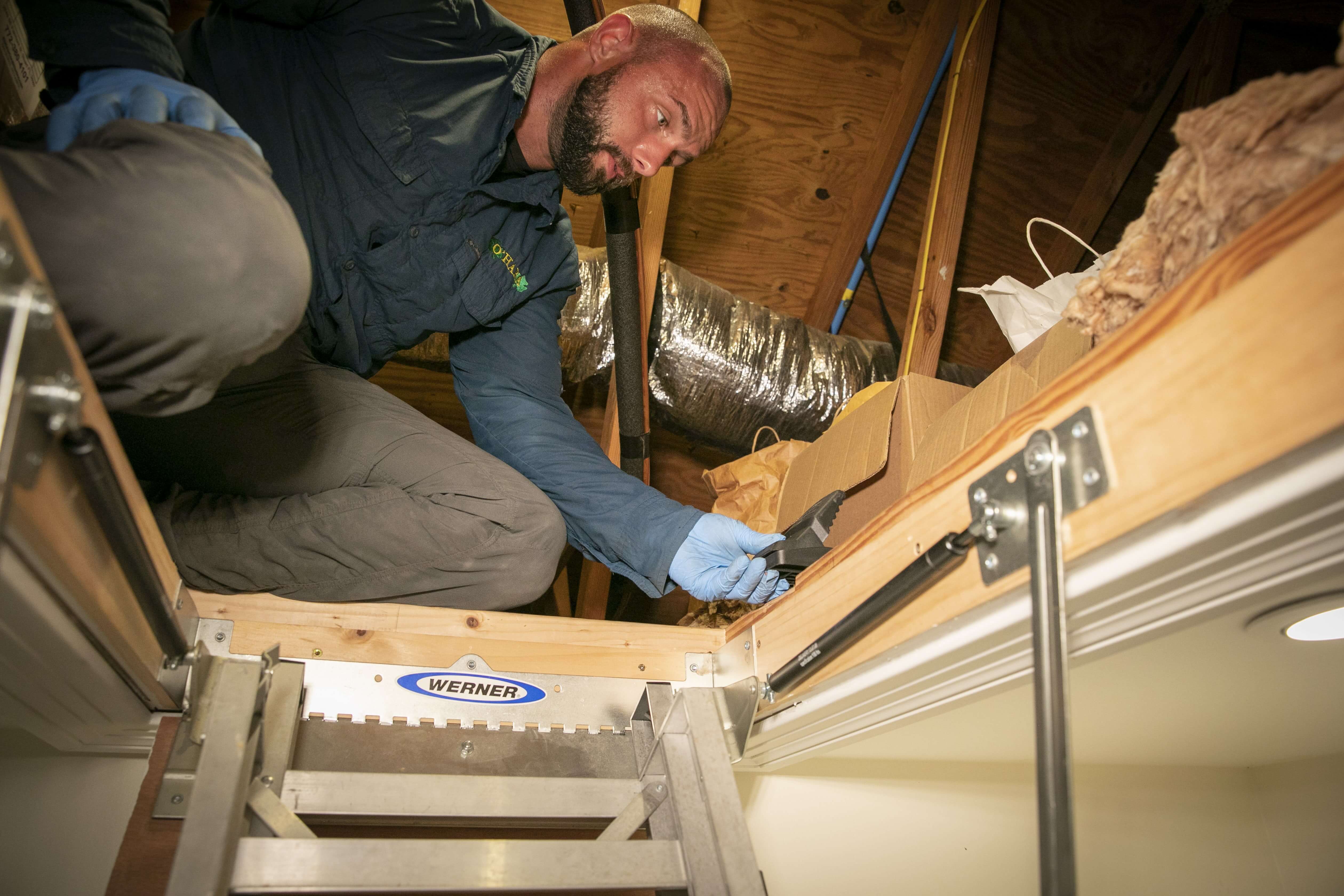
Not every recurring sighting comes from the original population. Cockroaches can enter through gaps around doors, windows, pipes, vents, and utility lines. They can also arrive inside cardboard boxes, grocery bags, used appliances, furniture, or other belongings.
Shared buildings create additional challenges. Roaches may move between apartments or connected units through plumbing and wall voids. Sealing accessible entry points can reduce reinfestation risk and make indoor treatments more effective.
Regularly inspecting these areas is especially useful after deliveries, renovations, or weather events that may disturb exterior pest activity. Check around door thresholds, pipe openings, screens, and other transitions between indoor and outdoor spaces. Small gaps can be easy to overlook but may provide repeated access. In multifamily housing, recurring activity may also require attention to shared building conditions rather than one room or unit alone.
Different cockroach species behave differently, and treatment needs can vary based on where the insects are hiding and how extensive the activity has become. A visible roach is only one piece of a larger problem. If treatment focuses on exposed areas while harborages remain untouched, activity can continue.
Treatment also needs to account for the home’s layout, moisture patterns, and sources of recurring exposure. A strategy that works for a small, localized problem may not be appropriate for widespread activity. Identifying the scope first helps avoid unnecessary applications and creates a clearer path toward lasting control.
A successful treatment can still be followed by new activity when outside conditions continue sending roaches indoors. Nearby construction, weather changes, neighboring infestations, or activity around dumpsters and drains can increase pressure on a home. In these situations, recurring sightings do not necessarily mean the original treatment failed.
Reducing reinfestation requires attention to the property as a whole. Seal gaps around doors and plumbing, keep exterior trash secured, inspect deliveries, and reduce moisture around the foundation. In attached housing, communication with property management may also be important when activity appears to move between units.
Professional treatment works best when homeowners support it with simple habits that make the property less inviting. The goal is not to create a spotless laboratory. It is to remove the resources and conditions that allow roaches to survive.
Store pantry foods in sealed containers and clean crumbs from areas that are easy to overlook. Empty garbage regularly and rinse recyclable food containers before storing them indoors.
Repair leaks, dry damp surfaces, and check areas around refrigerators, dishwashers, sinks, and air-conditioning equipment. Persistent moisture deserves attention because it can support activity even when food is limited.
Sticky monitors can help reveal where activity remains. Place them in appropriate areas, such as beneath sinks or behind appliances, and check them regularly. Repeated captures provide useful information about whether activity is declining or moving to another area.
Not necessarily. A single cockroach can enter accidentally, but repeated sightings, nymphs, droppings, or activity in several areas suggest a larger problem. Monitoring the location and frequency of sightings can help determine whether additional action is needed.
They may be emerging from protected harborages, hatching from egg cases, or entering through structural gaps. Food and moisture sources can also support surviving activity. A follow-up inspection can help determine which factor is responsible.
Cleaning reduces food sources and supports prevention, but it may not eliminate an established infestation. Cockroaches can survive in wall voids, plumbing areas, and other hidden spaces that routine cleaning cannot reach.
There is no universal timeline because species, infestation size, treatment method, and property conditions vary. A gradual reduction in sightings is encouraging, while recurring activity may indicate that additional treatment or exclusion is needed.
Consider professional help when sightings continue after treatment, activity spreads to multiple rooms, or you find nymphs, egg cases, or recurring droppings. Professional evaluation can identify hidden harborages and entry points that may otherwise be missed.

At O’Hara Pest Control, we understand how frustrating recurring cockroach activity can be. Our approach starts with identifying why roaches are returning, whether the issue involves hidden harborages, moisture, food sources, entry points, or ongoing activity around the property.
We develop targeted solutions based on the conditions we find rather than treating every home the same way. If cockroaches keep coming back after treatment, we can evaluate the property, identify contributing factors, and recommend a practical plan for long-term control.
If you need dependable cockroach control in West Palm Beach, contact O’Hara Pest Control to schedule an inspection. We’re ready to help you understand the problem and work toward a home that stays comfortable and roach-free.


.png)
