Be Aware! Dengue Fever is on the rise in South FL - protect your home against Mosquitos by Scheduling your next spray
Florida lawns grow well in warm temperatures, sandy soil, high humidity, and long seasons, so they need a more intentional fertilization approach. Many homeowners rely on guesswork, resulting in patchy turf or stressed grass. Seasonal lawn fertilization helps you understand what your lawn needs throughout the year and builds a stronger, greener yard with less effort.
Florida’s climate supports fast growth but also causes nutrients to wash out quickly, especially after heavy rain. Applying the right nutrients at the right time improves root strength, color, and disease resistance. When fertilization matches natural growth cycles, your lawn stays healthier and more resilient from spring through winter.
Warm-season grasses like St. Augustine, Zoysia, Bermuda, and Bahia perform well in Florida’s weather, but they still face challenges that affect nutrient absorption and root health. Seasonal planning helps keep turf strong during these changing conditions.
Florida’s year-round warmth speeds up turf growth, which drains nutrients quickly. Humidity adds stress and increases fungal risk. Seasonal fertilization helps match nutrients to conditions—more nitrogen during growth periods, more potassium during heat and drought.
Sandy soil drains fast, causing nutrients to wash away, especially during rainy periods. This leads to thin, weak turf. Seasonal fertilization replaces nutrients when grass can use them best and helps maintain stronger root systems.
Florida weather changes rapidly, affecting how fertilizer behaves. Heavy rain can wash nutrients out, while dry spells limit absorption. A seasonal plan adjusts for these swings, using slow-release products during wet periods and targeted nutrients during dry ones.
Spring marks the start of active growth. Fertilizer timing during this season affects your lawn through summer and beyond. Dividing spring into early and late stages helps match the fertilizer to your lawn’s changing needs.
Early spring is when the turf wakes up from winter and begins preparing for active growth. Rising soil temperatures help roots absorb nutrients more effectively. A light feeding with slow-release nitrogen supports green-up without pushing excessive top growth, which can stress the lawn once heat arrives.
Adding a small amount of potassium improves stress tolerance during upcoming temperature swings. Fertilizer works best when the soil is slightly damp, and this period also provides a good chance to spot thin or pale areas that may need extra attention before summer.
Late spring brings faster growth and warmer weather, so turf needs a balanced nutrient blend. Moderate nitrogen works best—too much causes stress in summer, while too little results in weak color and thin turf.
Different grass types respond differently during late spring:
These differences matter because applying the wrong formula causes uneven color or reduced density. Matching fertilizer to your grass type strengthens its roots and prepares it for summer.
During late spring, consider environmental conditions that influence fertilization. Rising temperatures increase evaporation, so apply fertilizer when soil holds moisture. Watering after application helps activate nutrients and improves absorption.
As the rainy season approaches, timing becomes more important. Applying fertilizer just before heavy rain leads to nutrient runoff.
Late spring becomes an ideal time to check irrigation coverage. If sprinklers leave dry patches, those areas may show slower response to fertilizer. Adjusting coverage helps create even feeding.
Summer in Florida challenges even strong lawns. Intense temperatures, humidity, and frequent storms put grass under stress. Fertilizer choices during this period need to support durability rather than rapid growth.
Florida summers combine heat and moisture in ways that strain turf. Excess nitrogen during this time increases the risk of disease. Quick-release fertilizers stimulate fast growth that weakens roots. Heavy rain washes away nutrients quickly, leaving the lawn unstable.
A summer fertilization strategy focuses on stability. Homeowners aim to strengthen roots, improve drought tolerance, and maintain color without pushing growth too aggressively.
Controlled-release nitrogen becomes the safest choice. It provides steady feeding over time. Potassium plays a major role because it increases heat tolerance and supports cell strength. Some lawns benefit from iron supplements when color fades. Iron improves green color without triggering excessive blade growth.
Summer fertilization should avoid products that release nutrients too fast. Fast-response products risk burning the lawn. Timing also matters. Fertilizing right before major storms leads to nutrient loss.
Each turf type responds to summer conditions in its own way. Understanding how your specific lawn behaves helps you choose the right fertilizer and feeding schedule.
Matching your fertilizer to your turf species prevents common summertime issues like yellowing, thinning, and increased pest activity.
Fall marks a shift in your lawn’s growth cycle. The intense heat begins to ease, and Florida turf focuses more energy on root development rather than rapid blade growth. This season becomes crucial for building resilience that carries your lawn through winter.
Fall fertilization supports recovery from summer stress. Heat, humidity, and storms leave turf worn down. Nutrient levels often run low by October. A well-timed fall application replaces what was lost and helps roots grow deeper.
Roots grow actively during fall, even when blades slow. Feeding the lawn during this window strengthens its foundation. Strong roots help turf survive temperature dips, dry winter spells, and any stress that lingers from summer.
Fall fertilization centers on potassium. Potassium strengthens cell walls, improves stress resistance, and helps turf handle cooler temperatures. It also enhances turf color and helps maintain density. Many Florida lawns respond well to fertilizer blends with low nitrogen during fall. Too much nitrogen at this time stimulates blade growth when the lawn should be conserving energy.
Micronutrients offer additional support. Iron improves color without forcing new growth. Magnesium and manganese help turf maintain consistent green pigment. These nutrients allow lawns to stay visually healthy even as growth slows.
Timing depends partly on your location within Florida. Central and South Florida enjoy longer warmth, allowing slightly later applications. North Florida cools faster, so fall fertilization should happen earlier.
Applying fertilizer before a cold front prevents nutrient loss and gives roots a chance to absorb nutrients. Watering in the product lightly helps lock nutrients into the soil. Avoid fertilizing too close to winter because late nitrogen can weaken turf.
Winter in Florida varies by region. Some lawns in warmer areas continue slow growth. Others enter partial dormancy. Regardless of location, winter fertilization requires caution.
Warm-season grasses respond to cooler soil temperatures by slowing growth. This means your lawn uses fewer nutrients. Heavy fertilization risks causing damage. Winter becomes a time for gentle maintenance rather than active feeding.
Nitrogen should stay minimal during winter. Instead, iron becomes the safer option for improving color. Iron helps grass stay green without triggering new growth. Potassium supports root structure and maintains winter resilience.
Light feeding supports turf health without overwhelming the system. Focus on maintaining root strength rather than pushing top growth. In many cases, the best winter strategy involves soil health rather than traditional fertilization.
Avoid using high-nitrogen fertilizers. Grass cannot process large amounts of nitrogen during cooler months. Excess nitrogen leads to weak tissue vulnerable to disease.
Overwatering also becomes risky because cooler temperatures reduce evaporation. Fertilizing during freeze warnings can shock turf and cause damage.
Fertilizer labels help homeowners choose the right product, but they often cause confusion. Knowing how to read these labels makes seasonal planning far simpler and keeps lawns healthier throughout the year.
The three numbers on a fertilizer bag represent nitrogen (N), phosphorus (P), and potassium (K). Each nutrient has a distinct role:
Florida lawns rely heavily on nitrogen and potassium, though phosphorus remains restricted in some counties. Understanding this breakdown helps match products to seasonal needs.
Slow-release nitrogen provides a steady supply of nutrients. This reduces the risk of burn. Quick-release nitrogen gives rapid greening but increases the risk of disease, especially during heat.
Seasonal lawn fertilization usually benefits from slow-release nitrogen in spring and summer. Small amounts of quick-release nitrogen can support early spring green-up, but only in controlled amounts.
Micronutrients improve overall lawn color and turf stability. Iron enhances pigment without forcing growth. Magnesium and manganese strengthen cellular processes.
Sulfur supports soil pH balance. These nutrients often appear in supplemental products and can be applied as needed throughout the year.
A good fertilizer choice lists:
Matching labels to seasonal goals prevents overfeeding and supports consistent turf growth.
Mistakes often stem from applying fertilizer at the wrong time or choosing the wrong type. Avoiding these errors saves homeowners time and keeps lawns stable throughout the year.
When applied too early, fertilizer triggers growth before roots strengthen. This leads to weaker grass heading into summer.
Fast-release nitrogen during hot months increases disease risk and weakens turf. Controlled-release products work far better.
Soil tests reveal pH and nutrient levels. Without this information, homeowners may apply too much or too little of certain nutrients.
Heavy winter fertilization creates soft, weak growth. This makes lawns more vulnerable to temperature swings and disease.
Seasonal needs change. Turf requires different blends during spring, summer, fall, and winter.
Florida weather changes fast, and these shifts alter how fertilizer behaves once applied. Understanding seasonal weather patterns helps homeowners avoid nutrient loss and turf stress. Small adjustments in timing make fertilization more effective and reduce waste.
The rainy season brings frequent downpours that wash nutrients through sandy soil. When fertilizer dissolves too quickly, lawns receive less benefit and may even suffer from imbalanced feeding.
Applying slow-release formulas during this period reduces washout. It also helps maintain steady nutrient levels despite unpredictable weather. Homeowners should avoid fertilizing right before heavy rain to prevent runoff and nutrient leaching.
Dry spells create different challenges. Without adequate moisture, grass struggles to absorb nutrients. Fertilizing during drought without proper watering risks burning the lawn.
Deep, thorough watering after application improves absorption. Controlled-release fertilizer supports turf longer during dry conditions, helping roots stay hydrated and active.
Tropical storms disrupt lawn schedules. High winds and saturated soil can weaken turf and reduce nutrient uptake.
After storms, lawns benefit from lighter applications or supplements rather than full feedings. Lawns may show stress in the weeks following major storms; waiting until conditions stabilize prevents wasted product and uneven growth.
Florida lawns stay healthier with a predictable, season-specific schedule. A clear annual plan helps homeowners stay ahead of problems and gives turf the nutrients it needs when growth conditions shift.
The following breakdown offers a simplified guide:
This plan adapts easily to individual conditions. Soil testing refines timing even further. Homeowners can adjust for weather changes, species differences, or known problem areas.
Fertilizer performs best when combined with healthy lawn habits. Strong roots absorb nutrients efficiently, and dense turf resists stress.
Key supporting practices include:
These long-term practices help fertilizers work better and create sustainable turf health.
Some lawn issues persist even with good fertilization habits. When turf fails to respond to feeding, there may be deeper factors affecting performance.
Several symptoms indicate that fertilization alone won’t fully correct the problem:
These signs often point to environmental or structural issues beneath the turf. Moisture imbalance, compacted soil, thatch buildup, or pest activity can limit how well fertilizer performs.
Homeowners often rely on store-bought fertilizers without knowing the specific needs of their turf species. Lawn problems may continue even with correct products if timing or soil conditions interfere with nutrient uptake. Sometimes lawns need supplemental treatments like aeration, pest control, or professional soil conditioning. Fertilizer works best when part of a broader care strategy.
A professional evaluation identifies issues that homeowners may not see. Soil structure, shade patterns, irrigation coverage, and turf species all influence fertilization success.
When fertilizer seems ineffective, these factors often hold the key to improvement. With the right adjustments, lawns recover faster and respond more evenly to feeding.
A seasonal fertilization plan helps guide decision-making through Florida’s shifting conditions. Homeowners who follow a structured schedule see improved turf color, thicker grass, and stronger resistance to heat and drought. Seasonal awareness prevents common mistakes, protects long-term lawn health, and simplifies ongoing maintenance.
Each season supports a different type of growth. Spring restores energy and restarts active growth. Summer demands durability and moisture control. Fall strengthens roots. Winter protects what was built earlier. Knowing these patterns ensures every fertilizer application serves a clear purpose.
Fertilizer timing matters because turf absorbs nutrients differently throughout the year. Feeding at the right moment reinforces natural growth phases rather than working against them. When seasonal patterns guide application decisions, lawns become more stable and recover from stress faster.
Lawns evolve as they age. Younger lawns require different nutrients than mature ones. Recently sodded turf may benefit from light fertilization after establishment, while older turf may require soil amendments to maintain nutrient balance. Seasonal fertilization remains consistent, but application strength and product type may shift over time.
Adjustments become necessary when you notice:
Seasonal lawn fertilization stays flexible. The foundation remains the same, but small modifications help your lawn adapt to changing conditions.
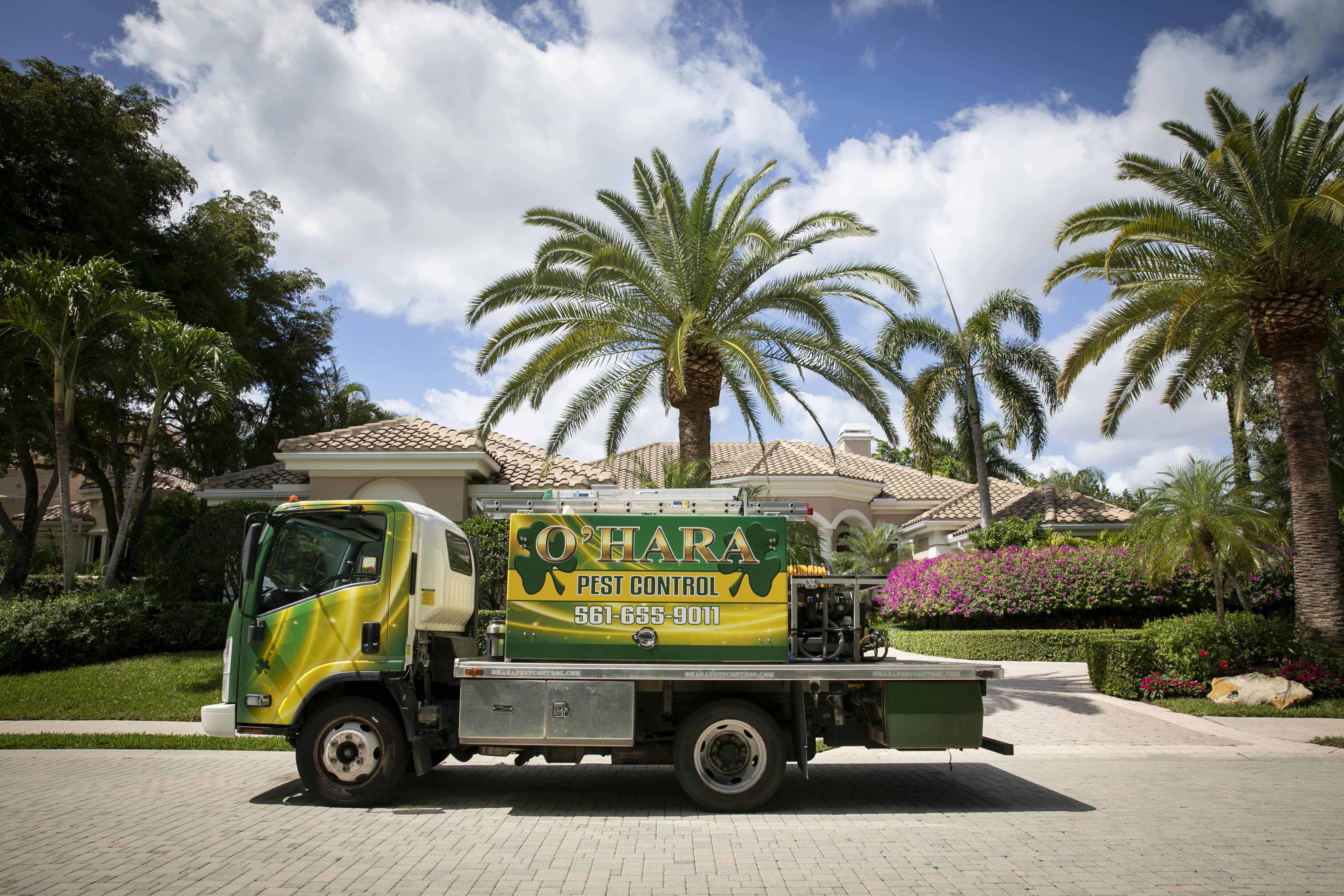
At O’Hara Pest Control, we understand how Florida’s heat, sandy soil, and shifting weather affect your lawn’s ability to absorb nutrients. We simplify the process by evaluating your turf type, soil condition, irrigation patterns, and stress points, then building a customized fertilization plan around those needs.
We use season-specific formulas and precise timing to strengthen roots, improve color, and boost resilience through heat, storms, and dry spells. If fertilizing hasn’t delivered the results you want, we’re ready to help.
Reach out to O’Hara Pest Control to schedule an assessment and start a tailored seasonal lawn fertilization program designed for long-term lawn health.


.png)
