Be Aware! Dengue Fever is on the rise in South FL - protect your home against Mosquitos by Scheduling your next spray
It usually starts with something small. A faint scratching sound behind a wall. A few droppings tucked near a baseboard. Maybe a quick glimpse of movement out of the corner of your eye.
Many homeowners and business owners dismiss these early signs, assuming the problem is minor or temporary. In reality, rodent activity rarely stays small for long. In areas where pest control services in West Palm Beach are in constant demand, rodents find ways to settle in quickly and expand before most people realize what’s happening.
The challenge with rodents is not just their presence. It’s how quietly they operate and how quickly they multiply. By the time the signs become obvious, the problem has often grown beyond a simple fix. Understanding when to move from observation or DIY solutions to professional help can make the difference between a manageable issue and a costly infestation.

Rodents do not wait for ideal conditions. They adapt fast and take advantage of small opportunities. Once inside a structure, they begin building nests, searching for food, and reproducing. This combination allows populations to grow in a short period.
Mice and rats reproduce at a pace that surprises many property owners. A single pair can lead to dozens of offspring within weeks. These young rodents reach maturity quickly, continuing the cycle. What begins as one or two intruders can turn into a much larger population without obvious warning.
This growth often happens behind walls, in attics, or in storage areas where activity remains hidden. By the time multiple rodents are seen, the population has already expanded.
Rodents prefer to stay out of sight. They travel through wall voids, ceilings, crawl spaces, and areas that are rarely inspected. This behavior allows infestations to grow unnoticed.
Noises often occur at night when the environment is quiet. Scratching, gnawing, or light movement sounds may be the only clues. During the day, rodents remain hidden, which creates the illusion that activity is limited.
Homes and businesses provide everything rodents need to survive. Food sources may include crumbs, stored goods, pet food, or waste. Shelter comes from insulation, cluttered storage, and structural gaps.
Even clean environments offer opportunities. Small amounts of food or water are enough to sustain rodents. Once they establish a nesting area, they rarely leave unless forced out.
Rodents enter through openings that often go unnoticed. Gaps around doors, vents, plumbing lines, and foundations create easy access points. These openings may seem insignificant, but they allow repeated entry.
Without sealing these gaps, removing rodents does not stop new ones from entering. This leads to recurring activity even after initial control efforts.
Recognizing early signs helps prevent a larger infestation. These indicators often appear before direct sightings, giving property owners a chance to act quickly.
Droppings are one of the most common signs of rodent activity. They appear near food sources, along walls, and in hidden areas. Fresh droppings are dark and moist, while older ones become dry and crumbly.
Finding a small number may suggest early activity. Repeated sightings in multiple areas usually indicate a growing problem. Urine trails may also develop, though they are less visible without proper lighting.
Rodents make noise as they move through walls and ceilings. These sounds often occur at night. Light scratching, scurrying, or chewing noises may signal activity behind surfaces.
Increased frequency or louder sounds suggest more rodents are present. Movement in different areas indicates that activity is spreading.
Rodents chew constantly to keep their teeth from overgrowing. This behavior leads to visible damage over time.
Common signs include:
Electrical damage poses additional risk. Exposed wiring increases the chance of fire, making this issue more than a nuisance.
Rodents build nests using available materials. Shredded paper, fabric, insulation, and cardboard often appear in hidden areas. These nests provide warmth and protection for young rodents.
Finding nesting material usually means rodents have been present long enough to settle in. This indicates more than a temporary intrusion.
Rodent infestations often produce a noticeable odor. Urine and droppings create a musty smell that lingers in enclosed spaces. As activity increases, the odor becomes stronger.
Dead rodents may also contribute to unpleasant smells. These odors often appear suddenly and persist until the source is removed.
Many people attempt to handle rodent problems on their own. In some situations, this approach can be effective. In others, it provides only temporary relief.
DIY solutions may work in limited cases. A single rodent sighting without additional signs often indicates early activity. Traps placed in the right location can resolve the issue before it spreads.
Isolated areas also respond better to simple methods. If activity remains contained and entry points are sealed, the problem may not return.
Homeowners and business owners often rely on:
These steps can reduce activity when used correctly.
DIY methods often focus on visible rodents. Hidden populations remain unaffected. Nests inside walls or ceilings continue producing new rodents.
Traps require proper placement to work effectively. Incorrect positioning reduces success. Rodents may avoid traps entirely if they sense danger.
Sealing gaps helps, but missing even one entry point allows continued access. Without a full inspection, identifying all openings becomes difficult.
Handling rodents or their droppings without protection creates health risks. Contamination can spread through surfaces and air particles. Improper disposal of rodents also leads to additional problems.
Rodents that die in inaccessible areas create odor issues. Removing them may require opening walls or ceilings, adding complexity to the situation.

Rodent problems don’t always announce themselves clearly. In many cases, the difference between a manageable issue and a growing infestation comes down to recognizing patterns.
When certain signs appear repeatedly or intensify, it becomes clear that basic methods are no longer enough.
Seeing a rodent once can happen. Seeing them multiple times points to a larger issue. Rodents avoid open areas unless populations increase or nesting spaces become crowded. Daytime sightings often signal that hiding spaces are no longer sufficient.
If rodents appear in different areas, the infestation has likely spread. This pattern indicates that activity is not limited to a single entry point or nesting location.
Cleaning up droppings should reduce visible signs. When they return quickly, it means rodents are still active nearby. Frequent droppings in multiple areas show ongoing movement and feeding behavior.
This repetition suggests that nests remain hidden within the structure. Without removing the source, activity continues regardless of surface cleaning.
Occasional sounds may indicate early activity. Increasing noise levels suggest population growth. Scratching, gnawing, and movement across ceilings or walls often become more noticeable as rodents expand their territory.
Hearing activity in multiple locations means rodents are traveling through structural pathways. This type of spread requires a more thorough approach than isolated trapping.
Rodents leave damage as they search for food and maintain their teeth. Over time, this damage becomes more visible and more serious.
Signs of increasing damage include:
Electrical damage creates safety concerns. When wiring is affected, the risk of fire increases. Structural damage also adds to repair costs if left unaddressed.
A persistent odor often signals a larger infestation. Urine and droppings accumulate over time, creating a noticeable smell. As activity increases, the odor spreads through enclosed areas.
Dead rodents can intensify this issue. When they remain hidden, the smell lingers until the source is removed. Strong odors suggest that the problem extends beyond visible areas.
Traps that once worked may become less effective. Rodents learn to avoid them or shift to new pathways. When activity continues despite repeated efforts, it indicates that the infestation has grown beyond simple solutions.
Empty traps do not always mean success. In some cases, rodents adapt and avoid detection entirely. This behavior requires a more strategic approach.
Rodent activity in more than one location suggests a widespread problem. Kitchens, garages, attics, and storage areas may all show signs at the same time.
This spread indicates that rodents are using structural pathways to move throughout the property. Addressing only one area leaves others untreated, allowing activity to continue.
Rodents contaminate surfaces through droppings and urine. Food storage areas become vulnerable, and air quality may be affected in enclosed spaces.
When contamination becomes noticeable, the risk to health increases. At this stage, professional intervention helps reduce exposure and restore a safe environment.
Delaying action often leads to more complex problems. What begins as a small issue can grow into a situation that affects both the structure and the people inside it.
Rodents carry bacteria and allergens. Their droppings and urine can contaminate surfaces and spread through the air. Over time, this exposure affects indoor air quality.
Cleaning alone does not eliminate these risks. Hidden contamination may remain in walls, insulation, or storage areas. Addressing the source becomes necessary to reduce exposure.
Rodents damage materials as they move through a property. Chewing weakens wood, insulation, and wiring. Over time, this damage becomes more expensive to repair.
Electrical systems face the highest risk. Damaged wiring can lead to short circuits or fire hazards. Early intervention helps prevent these outcomes.
Rodent populations grow quickly. A delay of even a few weeks allows numbers to increase. Larger populations spread into new areas, making control more difficult.
This growth often remains hidden until it reaches a noticeable level. By then, multiple nesting areas may exist within the structure.
Small infestations require less time and effort to control. Larger ones demand more extensive inspection and treatment. Delays increase both the time required and the overall cost.
Addressing the problem early simplifies the process. Waiting allows conditions to worsen and makes removal more challenging.
Professional rodent control focuses on identifying and solving the entire problem. This approach goes beyond removing visible rodents and addresses the factors that allow them to return.
A full inspection identifies entry points, nesting areas, and movement patterns. This includes areas that are difficult to access, such as wall voids, attics, and crawl spaces.
Understanding how rodents move through a property allows for targeted solutions. This step forms the foundation of effective control.
Professionals use strategies based on the specific conditions of each property. Trap placement, baiting systems, and monitoring are adjusted to match rodent behavior.
This targeted approach increases effectiveness and reduces unnecessary treatment. It also improves long-term results.
Closing access points prevents new rodents from entering. This process involves sealing gaps around doors, vents, foundations, and utility lines.
Without exclusion, rodents can return even after successful removal. Sealing entry points provides lasting protection.
Follow-up visits ensure that activity has stopped. Monitoring helps detect any remaining or returning rodents before they spread.
Adjustments to treatment plans improve results over time. This ongoing process keeps control consistent.
Professionals handle rodents and contaminated materials safely. Proper disposal reduces health risks and prevents further contamination.
This step also addresses hidden issues, such as deceased rodents in inaccessible areas. Removing these sources improves air quality and comfort.

Removing rodents solves the immediate issue. Preventing their return requires consistent effort and attention to detail. Small adjustments in how a property is maintained can reduce long-term risk.
Rodents rely on small openings to enter. Closing these gaps limits access and reduces the chance of reinfestation.
Common areas to address include:
Sealing materials should remain durable and properly fitted. Routine checks help identify new openings caused by wear or structural shifts.
Accessible food sources attract rodents. Even small amounts of food can sustain activity. Proper storage reduces this risk.
Use airtight containers for pantry items and keep surfaces clean. Pet food should not remain exposed overnight. Regular cleaning of storage areas removes crumbs and residue that may go unnoticed.
Trash areas often draw rodents closer to the structure. Once nearby, they search for entry points. Managing waste effectively helps reduce this pressure.
Secure trash bins with tight lids and empty them regularly. Outdoor disposal areas should remain clean and positioned away from entrances when possible. Reducing odor and debris limits attraction.
Regular inspection helps detect early signs of activity. Checking both interior and exterior areas allows for quick response.
Focus on:
Identifying changes early prevents small issues from developing into larger problems.
The surrounding environment influences rodent behavior. Simple changes can reduce access and shelter.
Trim vegetation away from the building to eliminate pathways. Keep outdoor areas organized and free of clutter. Remove materials that may provide nesting opportunities, such as wood piles or debris.
Not every situation requires immediate professional intervention. Understanding when to act and when to monitor helps guide decisions.
Certain conditions signal a more serious issue that requires prompt attention:
These signs suggest that the infestation is active and expanding. Delaying action increases risk and complexity.
In limited cases, monitoring may be appropriate:
Even in these situations, continued observation is important. If signs reappear or increase, professional help becomes necessary.
Long-term control depends on consistency rather than intensity. Addressing problems once is not enough if conditions remain unchanged. Creating a structured approach helps maintain results.
Prevention reduces entry and attraction. Monitoring identifies early signs. Together, these strategies create a balanced approach.
Routine checks, combined with basic maintenance, help keep rodent activity under control. This reduces the likelihood of large infestations and limits disruption.
Properties change. Materials wear down, landscaping grows, and new entry points appear. Adjusting prevention strategies ensures continued effectiveness.
Seasonal changes also affect rodent behavior. Cooler periods may drive rodents indoors, while warmer months increase activity outside. Staying aware of these patterns supports better planning.
Recognizing early signs remains one of the most effective tools. Quick action limits the spread and reduces the effort required to resolve the issue.
Encourage awareness among occupants or staff. Reporting unusual signs early improves response time and helps prevent escalation.
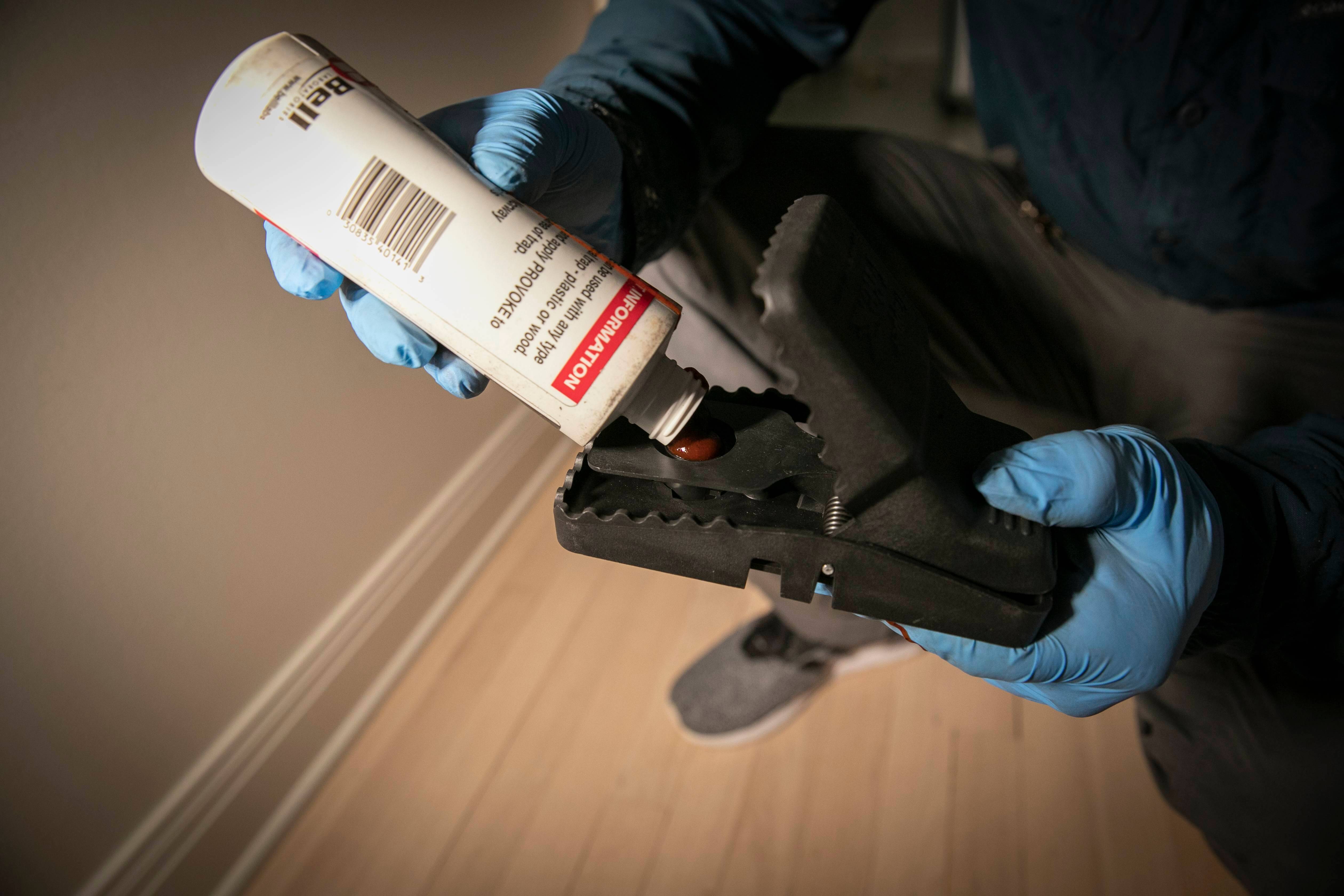
At O’Hara Pest Control, we understand how quickly rodent problems can escalate. What starts as a small concern often spreads through hidden spaces before it’s fully recognized. Our approach focuses on identifying where rodents enter, where they nest, and how they move throughout your property.
We perform detailed inspections that go beyond visible signs. Our team evaluates structural entry points, environmental conditions, and activity patterns to build a targeted plan. This allows us to address both the infestation and the factors that allow it to continue.
Our goal is not just removal. We focus on long-term control through a combination of treatment, exclusion, and monitoring. Each solution is tailored to your property and level of activity, helping reduce the chance of future problems.
If you’re seeing repeated signs or want to prevent a larger issue, it may be time to act. Contact O’Hara Pest Control to schedule an inspection and protect your property with reliable pest control services in West Palm Beach.


.png)
