Be Aware! Dengue Fever is on the rise in South FL - protect your home against Mosquitos by Scheduling your next spray
A healthy Florida lawn takes effort, yet even well-maintained yards can experience hidden problems. Strange tunnels, fast-growing weeds, or plants covered in tiny insects often signal moles, weeds, or whiteflies taking advantage of Florida’s warm, humid conditions.
For homeowners looking into lawn care in West Palm Beach, identifying moles, aggressive weeds, and whiteflies early can make a major difference in protecting their landscape. Each invader affects lawns differently—moles disturb soil and roots, weeds compete with grass for resources, and whiteflies weaken plants by feeding on leaves.
Understanding the warning signs and taking action early helps maintain a healthier outdoor space.
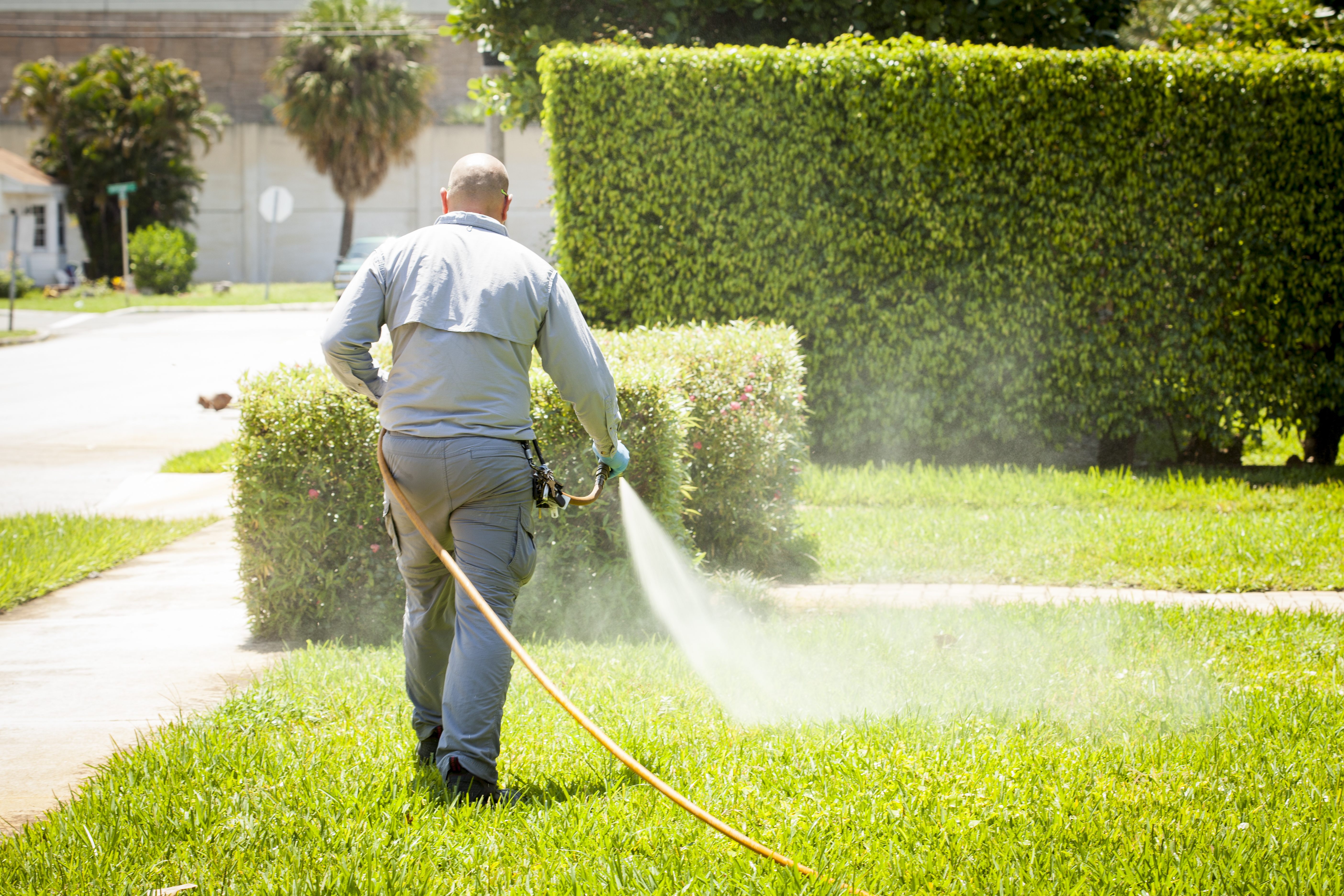
Florida lawns face challenges that many other regions do not experience. The same conditions that help grass and plants grow also create opportunities for unwanted lawn problems.
Florida’s warm temperatures allow many lawn issues to remain active throughout the year. Unlike colder climates where pests and weeds slow down during winter, Florida’s growing season lasts much longer.
Heat, humidity, and rainfall create conditions where lawn invaders thrive. When turf becomes stressed by moisture issues or environmental pressure, it becomes more vulnerable.
A lawn that struggles with weak growth, poor drainage, or inconsistent care has more openings for weeds and other problems to take hold.
Water plays an important role in Florida landscaping, but balance matters. Excess moisture can weaken grass roots and create openings for weeds. Proper irrigation supports stronger turf without creating conditions that encourage invasive growth.
Florida’s sandy soil presents another challenge. While sandy soil drains quickly, it also loses nutrients faster than heavier soils. Grass growing in nutrient-poor soil may struggle to develop the density needed to compete against weeds.
Compacted areas create additional problems. When soil becomes compressed, water and nutrients have difficulty reaching roots. These weakened areas often become the first places where lawn invaders appear.
Moles are frustrating lawn problems because much of their activity happens underground. By the time homeowners notice damage, they may already have created an extensive tunnel system.
Moles are small mammals that spend most of their lives underground. They create tunnels while searching for food, particularly insects and other organisms found in soil. Although they do not feed on grass roots directly, their movement disrupts the soil structure around plants.
Their tunnels can disturb roots, loosen soil, and create uneven areas throughout the lawn. In severe cases, the surface damage makes mowing more difficult and affects the overall appearance of the yard.
Recognizing mole activity early helps prevent larger lawn disruptions.
Common signs include:
Unlike some lawn problems that appear gradually, mole activity can seem sudden. A yard that looked normal one day may show noticeable disruption after increased underground movement.
Early mole activity may only involve a few tunnels or small areas of disturbed soil. At this stage, monitoring the lawn can help determine whether activity is increasing.
Advanced problems often involve multiple tunnel networks spread across larger areas. Grass may become uneven, and repeated soil disruption can affect the lawn’s appearance and stability.
The longer moles remain active, the more difficult it becomes to manage the damage. Addressing signs early helps reduce the chance of widespread lawn disruption.
Many homeowners attempt quick fixes after noticing tunnels. Flattening tunnels or disturbing soil may improve the appearance temporarily, but it does not address the source of the activity.
Because moles remain underground, surface-level solutions often miss the larger problem. Effective management requires understanding where activity is occurring and how the lawn environment supports it.

Lawn conditions can influence where moles spend time. Loose soil, available food sources, and consistent moisture may create a more attractive environment.
Maintaining balanced lawn conditions reduces vulnerability. Proper irrigation and regular maintenance encourage stronger turf growth that can better recover from minor disturbances.
Regular inspections help identify mole activity before it spreads. Look for fresh soil movement, raised pathways, unusual grass patterns, or areas where the soil feels loose.
Early observation gives homeowners a better understanding of whether activity is increasing or remaining isolated.
Weeds are among Florida’s most persistent lawn problems because many species spread through seeds, roots, and underground structures that allow them to return year after year.
Once established, weeds compete with grass for sunlight, water, nutrients, and space, making them harder to control.
Florida’s growing conditions give many weeds a major advantage. Warm temperatures allow seeds to germinate quickly. Frequent rainfall supports rapid growth. Weak or stressed turf leaves open spaces where weeds can establish.
Common causes of increased weed growth include:
A strong lawn naturally competes with weeds. A struggling lawn gives them room to expand.
Dollarweed is one of Florida’s most recognizable lawn weeds. It gets its name from its round, coin-shaped leaves that spread across grass and landscape areas.
Dollarweed spreads through underground stems called rhizomes and above-ground growth patterns. These structures allow it to expand beyond the original area where it appeared.
Moisture is one of its biggest advantages. Lawns with excessive irrigation, poor drainage, or constantly wet areas often experience heavier dollarweed growth.
Early identification helps prevent larger infestations. Look for:
Because dollarweed grows differently from turfgrass, it often becomes noticeable when patches begin appearing throughout the lawn.
When left unmanaged, dollarweed can create dense mats that compete with grass. These patches block sunlight and take valuable nutrients away from surrounding turf.
Homeowners may notice areas where grass appears thinner while dollarweed continues spreading. At this stage, simply removing visible leaves often does not solve the underlying issue.
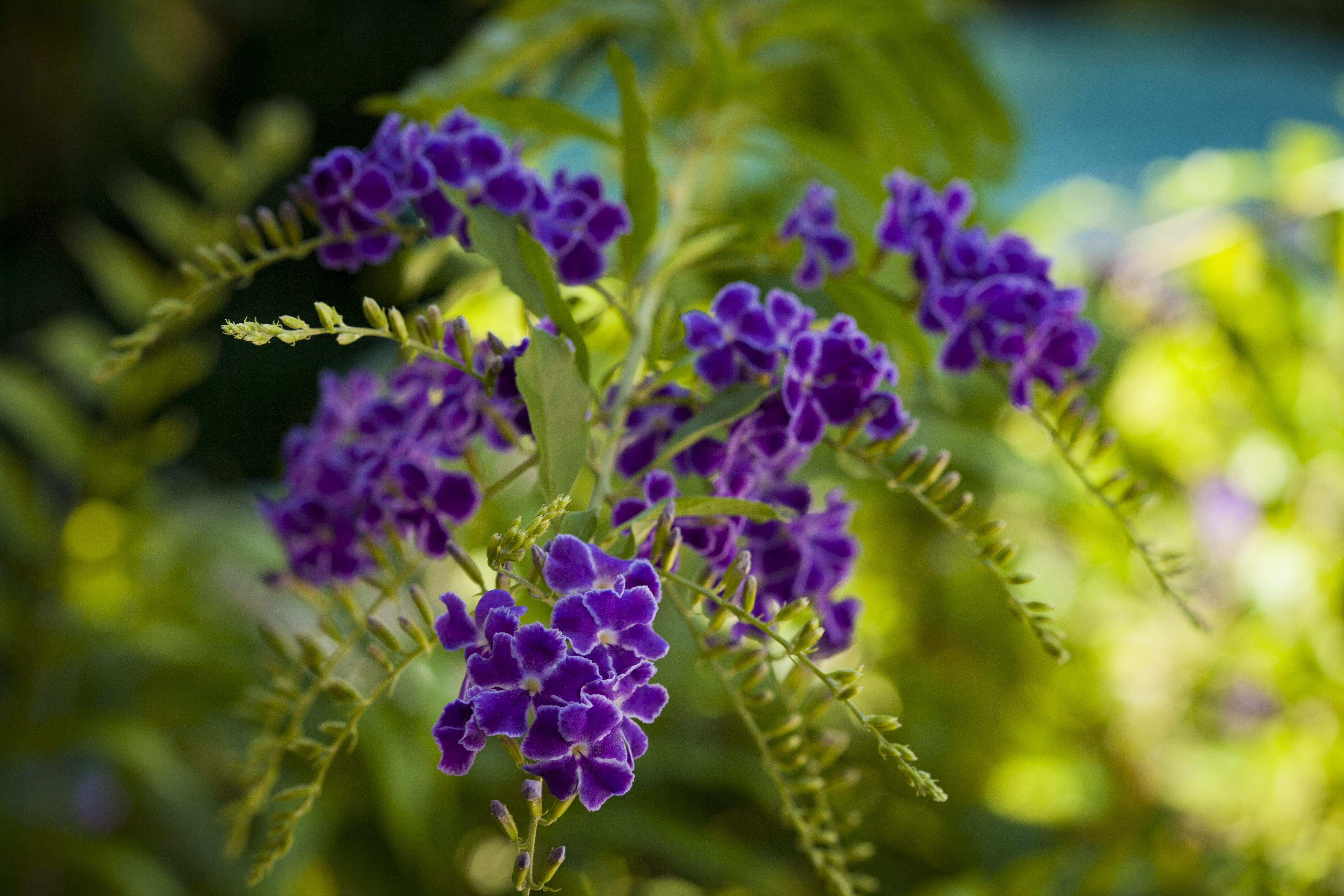
Many treatments fail because they only address what is visible above the soil. Dollarweed’s underground growth allows it to return when conditions remain favorable.
Continued overwatering is another common reason infestations persist. If moisture issues are not corrected, dollarweed continues to receive the conditions it needs to survive.
Crabgrass is another common Florida lawn weed that thrives in warm conditions. It typically appears in areas where turf is thin, stressed, or exposed to excessive sunlight.
Crabgrass spreads through thousands of seeds that remain dormant in soil until conditions support germination.
When temperatures rise, these seeds begin germinating. Bare spots, driveway edges, and areas with weakened grass often become starting points for infestations.
Young crabgrass plants are easier to manage than mature growth. Early signs include:
Because crabgrass grows quickly, early identification can prevent larger patches.
As crabgrass matures, it becomes more noticeable. It spreads outward and develops seed heads that create future weed problems.
Large infestations can overwhelm weaker turf and create an uneven lawn appearance. Once seeds are produced, future control becomes more challenging.
Timing is one of the biggest challenges with crabgrass. Treatments applied too late may have limited effectiveness because mature plants are more difficult to manage.
Another common mistake is focusing only on existing plants while ignoring the soil seed bank. Without prevention strategies, new crabgrass can continue appearing season after season.
Whiteflies are small insects that can significantly impact Florida landscapes by feeding on plant tissue and weakening ornamental plants and shrubs. Because they are tiny and often hide on the underside of leaves, homeowners may not notice them until visible damage appears.
Florida’s warm climate allows whiteflies to remain active for much of the year. When conditions are favorable, populations can increase quickly and spread between plants.
Whiteflies are small, winged insects that typically gather on the undersides of leaves. When disturbed, they often fly away in a small cloud-like group.
Common signs include:
Regular plant inspections help identify whiteflies before they cause widespread stress.
Early detection is easier when homeowners know where to look. Check the underside of leaves, especially on plants with dense foliage. Small clusters of white insects or unusual leaf discoloration may indicate activity.
Plants affected early may still appear mostly healthy. However, the feeding process gradually reduces plant strength by removing nutrients and plant fluids.
As populations increase, damage becomes more noticeable. Leaves may turn yellow, drop prematurely, or lose their healthy appearance. The sticky residue produced by whiteflies can also encourage sooty mold growth, affecting the plant’s ability to absorb sunlight.
Heavy infestations place ongoing stress on plants. Without intervention, repeated feeding can weaken landscape plants and make them more vulnerable to additional problems.
Whiteflies reproduce quickly and can move between many types of plants. Treating only one affected area may not solve the issue if nearby plants continue supporting the population.
Regular monitoring and early attention are important because whiteflies can spread before homeowners realize they are present.
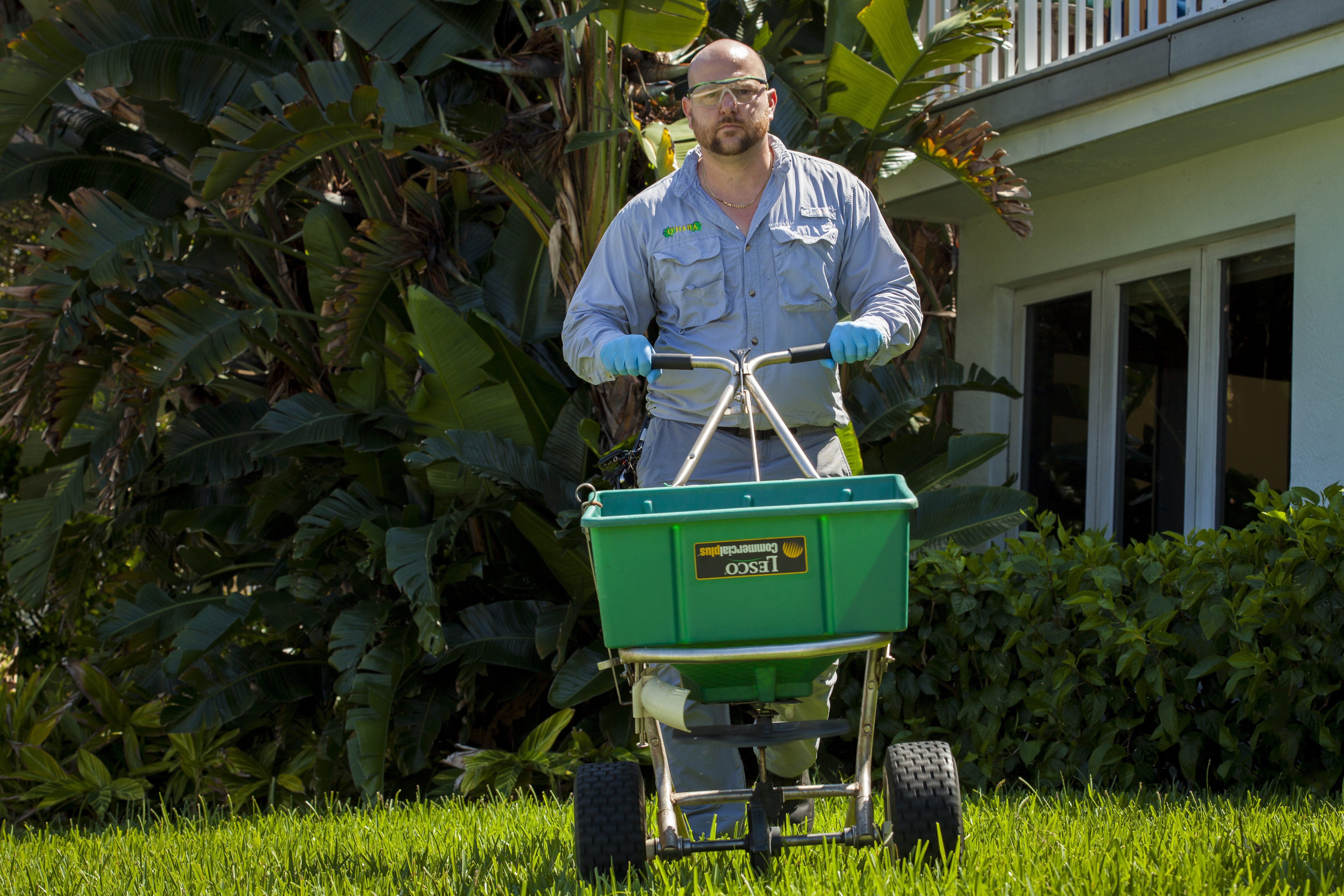
Florida lawns can show similar symptoms for very different reasons. Brown patches, thinning grass, declining plants, and slow growth may appear to have the same cause, but the solution depends on identifying what is actually happening beneath the surface. Treating the wrong issue can waste time, money, and effort while allowing the original problem to continue.
Before applying treatments, homeowners should look at the location, pattern, and type of damage. Is the soil disturbed? Are weeds spreading outward? Are leaves showing signs of insect activity? These details provide important clues that help determine whether the issue involves moles, weeds, whiteflies, or general lawn stress.
Mole activity usually creates physical changes that are easy to distinguish once you know what to look for. Since moles spend most of their time underground, the first signs typically appear in the soil rather than the grass itself.
Common indicators of mole activity include:
These signs suggest that something is moving beneath the surface and disrupting the soil structure. Grass above active tunnels may become damaged because roots lose contact with the surrounding soil. Over time, repeated tunneling can create uneven lawn areas that are difficult to mow and maintain.
Lawn stress caused by environmental conditions usually looks different. Instead of raised soil or visible movement, homeowners may notice:
Common causes of lawn stress include overwatering, underwatering, poor soil quality, excessive shade, or improper mowing. These problems affect grass health but typically do not create physical disruptions in the soil.
The location of the damage can also provide clues. Mole activity often appears in random pathways across open lawn areas, while watering or nutrient issues may affect larger sections of grass more evenly. Observing these patterns helps homeowners avoid confusing normal lawn stress with underground pest activity.
Weeds are often a symptom of an underlying lawn weakness rather than the original problem. Healthy, dense turf naturally competes with weeds by blocking sunlight and using available nutrients. When grass becomes thin or stressed, weeds find opportunities to establish themselves.
Common signs that weeds are taking advantage of weak turf include:
Environmental conditions often determine whether weeds thrive. Poor drainage, compacted soil, incorrect mowing height, and inconsistent watering can weaken grass and create ideal conditions for invasive plants.
For example, overwatering can encourage moisture-loving weeds like dollarweed, while thin turf in sunny areas may allow crabgrass to spread. If weeds keep returning after removal, the problem may not be the weeds alone. The surrounding lawn conditions may still be supporting their growth.
Long-term weed management focuses on improving the lawn’s ability to compete. This includes maintaining proper mowing practices, adjusting irrigation, improving soil conditions, and encouraging thicker turf growth. Removing weeds without correcting these factors often leads to the same problem returning.
Whitefly damage can sometimes be mistaken for plant disease because both problems can cause discoloration and declining plant health. The difference is that whiteflies leave specific signs of insect activity that diseases do not.
Common indicators of whitefly activity include:
Whiteflies feed by extracting nutrients from plants. As populations increase, plants may become weaker, lose leaves, or show reduced growth. Checking the underside of leaves is one of the easiest ways to confirm activity because whiteflies often hide there during feeding.
Plant diseases usually create different patterns. Fungal or bacterial issues may cause:
A close inspection can reveal important differences. If insects are present, the issue may require pest management. If no insects are found, environmental conditions or disease may be responsible.
Understanding these differences helps homeowners respond appropriately instead of treating symptoms without addressing the cause. A lawn or landscape that receives the right solution at the right time has a much better chance of recovering and staying healthy.
Mole damage usually appears as raised tunnels or ridges across the lawn. You may also notice loose soil piles or areas where the ground feels uneven. Unlike many lawn problems caused by environmental stress, mole activity physically changes the soil structure. Monitoring new activity patterns helps determine whether moles remain active in the area.
Many weeds return because roots, rhizomes, or seeds remain active below the surface. Long-term control requires improving turf health and correcting conditions that support weed growth.
Whiteflies can become harmful when populations grow large. Their feeding removes nutrients from plants, which can lead to yellowing leaves, reduced growth, and general plant weakness. Early detection makes management easier. Regularly checking plants helps identify activity before extensive damage occurs.
Yes. Excess moisture creates conditions that support certain weeds and weaken turf. Waterlogged soil can reduce root strength and make lawns less competitive against invasive plants. A balanced irrigation routine encourages stronger grass and healthier soil conditions.
Professional assistance may be needed when recurring mole activity, weed growth, or whitefly damage persists despite routine maintenance. A proper evaluation helps identify what is affecting the lawn and what steps will provide long-term improvement.
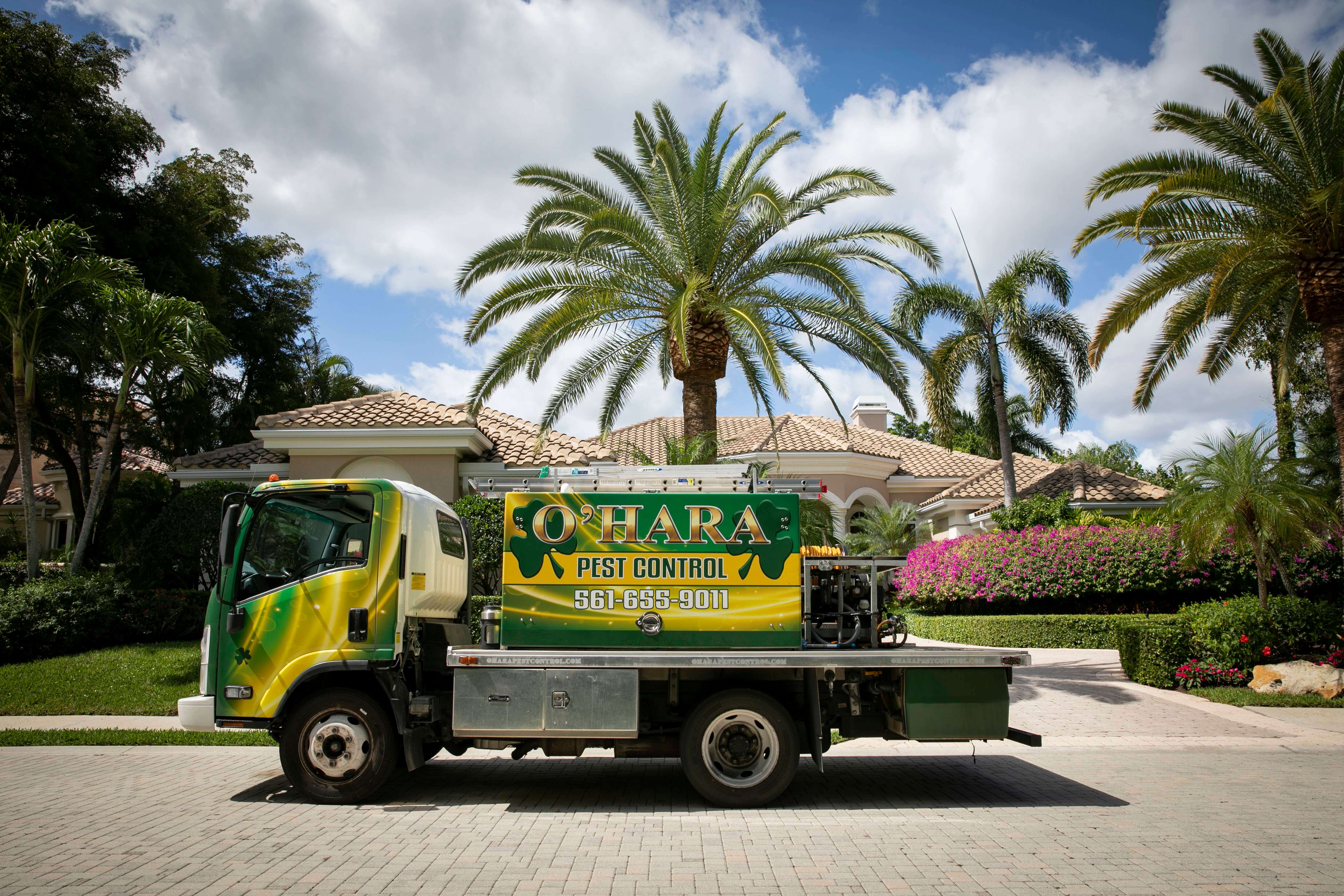
At O’Hara Pest Control, we understand the challenges Florida homeowners face when moles, weeds, or whiteflies affect their landscapes. Our team identifies the source of lawn problems and provides targeted solutions designed for Florida conditions.
With professional lawn care, you gain support from experts who recognize local lawn challenges and help address issues before they worsen. Contact O’Hara Pest Control today to schedule an evaluation and protect the health and appearance of your yard.


.png)
