Be Aware! Dengue Fever is on the rise in South FL - protect your home against Mosquitos by Scheduling your next spray
You clean the counters. Spray the ants. Wipe away their trails. A few days later, they are back.
It can feel like you are fighting the same battle over and over. Ants are persistent because eliminating the ants you see does not always eliminate the colony. Your home may still provide food, water, shelter, and easy access from outdoors.
For homeowners looking for ant control in West Palm Beach, understanding why ants return is an important first step. Once you know what keeps attracting them, it becomes easier to address the underlying problem instead of treating the same visible trail repeatedly.
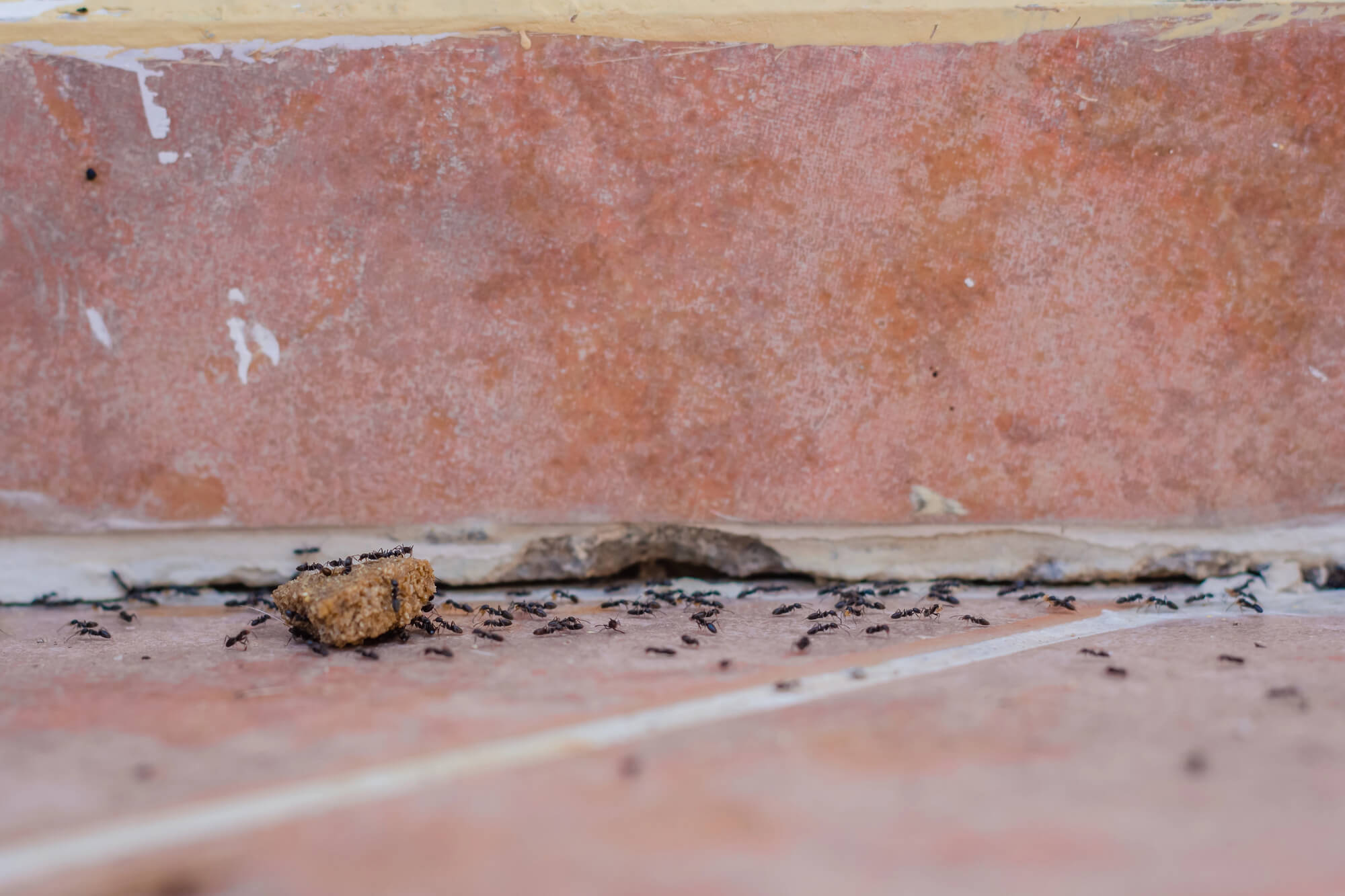
The ants walking across your counter are usually only a small part of the colony.
Worker ants leave the nest to search for food and water. When they find a reliable source, they can return and guide other workers toward it. Killing those workers may provide temporary relief. The colony can continue sending out more.
This is one reason a quick spray may seem effective at first but fail to solve the problem.
A few dead ants on your kitchen floor can be easy to deal with. An established colony hidden outdoors, inside a wall void, beneath landscaping, or near the foundation is a different problem.
Effective ant control needs to consider where the ants are coming from, not just where you happen to see them.
Have you ever noticed ants following the exact same path along a wall, countertop, window, or floor?
There is a reason.
Ants use chemical signals called pheromones to communicate with other members of their colony. A successful foraging ant can leave a chemical trail that helps other ants locate a food source.
That can turn one wandering ant into a steady stream.
Simply wiping away visible ants may not be enough. Cleaning the affected surface can help remove food residue and disrupt the trail, but the ants may establish another route if the underlying attraction remains.
This is why recurring trails deserve attention. The visible path is often a clue to a larger activity pattern.
Ants do not enter homes randomly. They are looking for resources.
Food is an obvious attraction. Crumbs, spills, sugary drinks, pet food, grease, and improperly stored food can all provide opportunities for foraging ants. Some ants are also attracted to moisture.
Small changes can make a difference:
A spotless home can still experience ants. Cleanliness reduces available food sources, but it does not necessarily eliminate outdoor colonies or entry points.
Ants are small enough to enter through openings that are easy for people to overlook.
Cracks around windows, doors, foundations, utility lines, plumbing penetrations, and other structural gaps can provide access. Damaged screens and gaps around exterior fixtures can create additional opportunities.
Once ants find a dependable route, they may continue using it.
Walk around the exterior of your home and look for:
Sealing accessible openings can reduce potential entry points. It may not solve the problem if an established colony is already nearby.
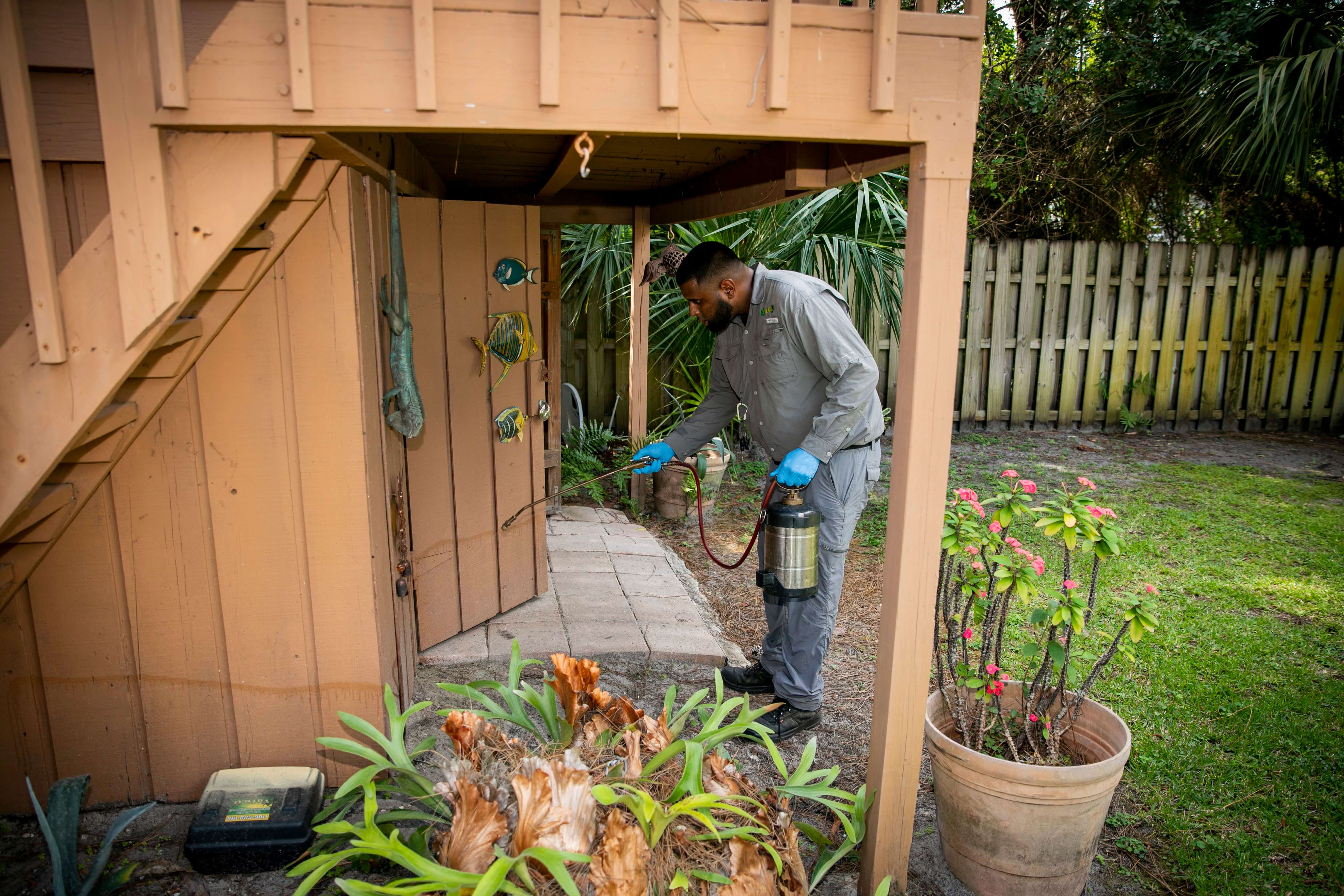
Sometimes the reason ants keep appearing indoors is simple: the source is outside.
Landscaping can provide plenty of places for ants to establish colonies. Mulch, soil, tree bases, cracks in pavement, plant beds, and areas around foundations can all offer shelter.
Your yard may also provide consistent access to moisture and food.
An outdoor colony does not need to be directly against your house to become a problem. Worker ants can travel in search of resources and eventually find a way indoors.
This is why treating only the kitchen or another indoor area may provide limited results. If ants continue to enter from outside, the cycle can repeat.
A complete approach considers the property surrounding the home, not just the room where ants are currently visible.
West Palm Beach provides conditions that can support pest activity throughout much of the year.
Warm temperatures, humidity, vegetation, and regular sources of moisture create an environment where ants can remain active. You cannot control the weather, but you can control some of the conditions around your property.
Pay particular attention to areas where moisture collects. Leaky outdoor faucets, irrigation problems, clogged gutters, and standing water can make certain areas more attractive to pests.
Heavy rain can also change ant behavior. Water may disturb colonies and encourage ants to relocate or search for new sources of shelter. You may notice increased activity after periods of significant weather.
That does not mean every sudden appearance is an infestation. A recurring pattern is more important.
Ant products can be useful in certain situations. The challenge is knowing which product and approach are appropriate for the ants you have.
Different ant species can behave differently. Some nest outdoors. Others can establish colonies inside structures. Some are attracted to sweet foods, while others prefer protein or greasy foods.
Using the wrong treatment can produce frustrating results.
A fast-acting spray may kill visible workers without affecting the colony. In some situations, disturbing a colony can make control more difficult. Certain ant species can also establish multiple nesting sites, making the problem appear to move from one location to another.
If you have tried several products and the ants keep returning, it may be time to stop treating individual ants and focus on identifying the source.
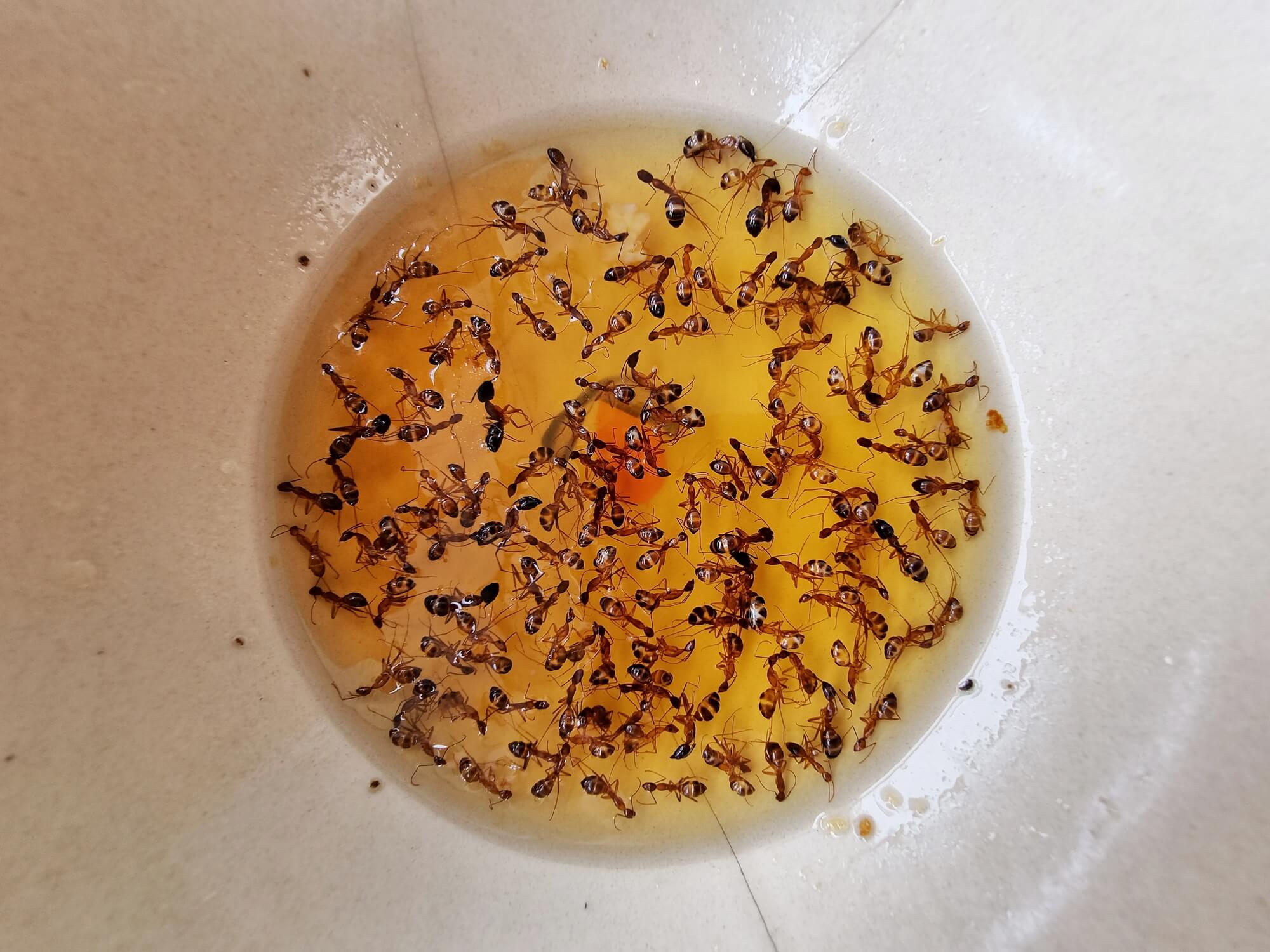
Start with the basics. Remove accessible food and water sources. Clean areas where ants have been active. Seal obvious openings around your home. Check the yard for conditions that may support colonies.
Pay attention to patterns.
Where do the ants appear first? Do they follow the same route? Are they concentrated around a sink, window, door, or exterior wall? Do you see activity outdoors near the foundation?
These details can help reveal where the problem begins.
If ants continue appearing despite your efforts, professional pest control can help identify the species, locate likely activity areas, and determine whether the issue is coming from inside or outside the home.
Spraying visible ants may kill the workers you see without eliminating the colony. Other workers can continue foraging and may find another route into your home. If food, moisture, or an accessible entry point remains, the activity can continue.
The queen is important to the colony, but simply finding and killing one queen is not a practical solution for most household ant problems. Colonies can be hidden in difficult-to-access locations, and some species can have multiple queens or nesting sites. Effective control depends on the species and colony structure.
Rain can disturb outdoor nests and change where ants search for food and shelter. Flooded or saturated nesting areas may encourage ants to move or forage in different locations. If your home offers dry shelter, food, or moisture, ants may find their way indoors.

At O’Hara Pest Control, we know how frustrating recurring ants can be. We look beyond the ants you see to identify conditions that may be helping them return.
We provide professional ant control throughout Palm Beach County and South Florida. Contact O’Hara Pest Control to discuss your ant problem and find the right solution for your property.


.png)
