Be Aware! Dengue Fever is on the rise in South FL - protect your home against Mosquitos by Scheduling your next spray
Florida homeowners know how quickly a sunny afternoon can turn into a soaking downpour. After spreading fertilizer, that sudden rain can raise an immediate question: Did the rain help my lawn, wash the fertilizer away, or damage the grass? For homeowners considering lawn fertilization in West Palm Beach, understanding how rainfall interacts with fertilizer can make lawn care decisions much easier.
Rain is not automatically good or bad after fertilization. The outcome depends largely on the fertilizer formulation, how much rain falls, how soon it arrives, and the condition of the lawn and soil. Light, well-timed rainfall can help move nutrients into the root zone. Heavy rainfall can increase runoff, wash away soluble nutrients, or leave already saturated soil unable to absorb more water.
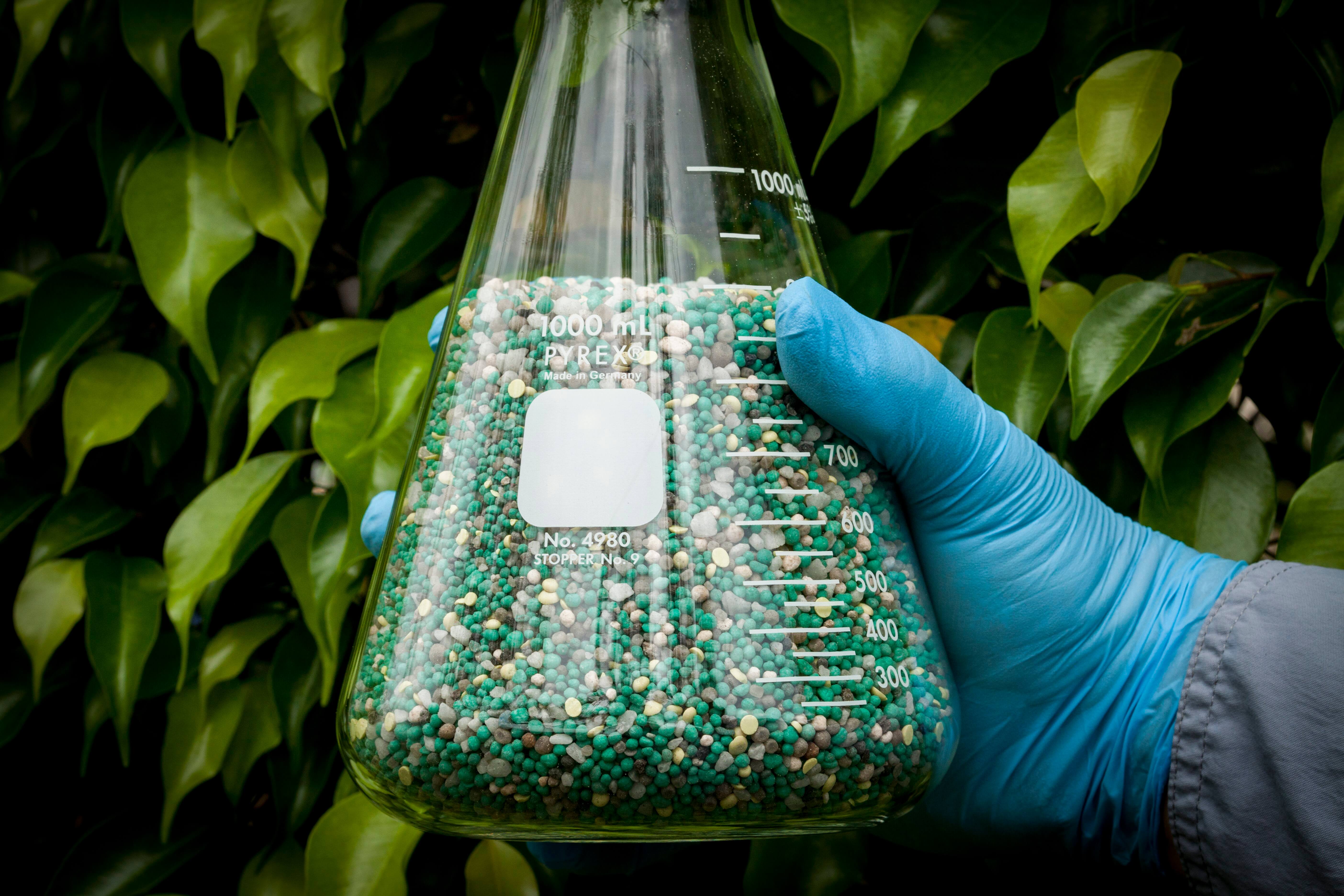
Fertilizer supplies nutrients that grass needs for healthy growth, but those nutrients must reach the soil and become available to plant roots. Rain can help with that process by dissolving fertilizer granules and moving nutrients into the soil.
A light rainfall after an application may be beneficial. Moisture helps dissolve granular fertilizer and carry nutrients toward the root zone. This is one reason application timing matters. Fertilizing when some rainfall is expected can work well when the forecast calls for modest precipitation rather than a major storm.
The key is moderation. The lawn needs enough moisture to activate the fertilizer without receiving so much water that nutrients move beyond the root zone or run off the property.
A major downpour creates a different situation. When rain falls faster than the soil can absorb it, water begins moving across the surface. Fertilizer can travel with that water, particularly on slopes, compacted areas, or poorly drained sections of the lawn.
Heavy rain can also push soluble nutrients deeper into the soil than grass roots can readily access. This process, known as leaching, can reduce nutrient availability. Sandy Florida soils are especially prone to nutrient movement because water drains through them quickly.
There is no single rainfall amount that determines whether a fertilizer application has failed. Soil type, lawn condition, fertilizer formulation, slope, and rainfall intensity all matter. A brief heavy storm can create more runoff than a longer period of gentle rain.
Homeowners can learn a lot by looking at what happens after a storm. Standing water, fertilizer granules collecting near sidewalks, or soil washing into lower areas can indicate that the lawn received more water than it could absorb.
If rain falls steadily and the soil absorbs it without significant pooling or runoff, the fertilizer may still be working as intended. If water is flowing across the lawn, some nutrients may be leaving with it.
Florida's sandy soils drain quickly, which can help prevent prolonged saturation. The downside is that water and dissolved nutrients can move through the soil rapidly. Nutrients that remain available in heavier soils may pass beyond the root zone more quickly in sandy conditions.
This makes fertilizer selection and application timing important. Slow-release formulations can provide nutrients over a longer period, reducing the sudden concentration of nutrients that may be vulnerable to heavy rainfall.
Timing depends on the forecast and the fertilizer product. Applying fertilizer before a storm is less predictable than applying it when moderate rainfall is expected. A heavy storm can create runoff before nutrients have a chance to settle into the soil.
After heavy rain, avoid automatically applying another fertilizer treatment to replace what you assume was lost. Some nutrients may remain in the soil, and adding more without knowing what is available can cause overapplication. Assessing the lawn’s condition and following the product label is a better approach.
If a storm is approaching, consider postponing an application when the forecast calls for intense rainfall. Waiting for conditions to stabilize can improve nutrient retention and make the application easier to evaluate.
The goal is not to avoid rain, but to choose a window where moisture supports absorption without creating runoff, erosion, or nutrient loss.

Heavy rain does not always mean fertilizer has been completely lost. The effect depends on how much fertilizer was applied, how quickly the rain arrived, how intense the rainfall was, and how well the soil drains.
When rainfall exceeds the lawn’s ability to absorb water, runoff begins. Water can move fertilizer across the grass and toward sidewalks, driveways, storm drains, or lower sections of the property. This is more likely when the lawn slopes or the soil is compacted.
Runoff is a concern because the fertilizer may leave the area where the grass roots can use it. Applying additional fertilizer immediately after a storm can create another problem: excessive nutrients without knowing how much remains available.
Not all nutrient loss happens across the surface. Heavy rainfall can push dissolved nutrients deeper into the soil. If nutrients move below the active root zone, grass may not be able to access them effectively.
This can be especially important in Florida, where sandy soils tend to drain quickly. The goal is to keep nutrients available within the root zone rather than allowing them to move away too quickly.
Fertilizer formulations behave differently during heavy rainfall. Slow-release products are designed to release nutrients gradually, which can provide a steadier supply over time. A heavy storm can still affect nutrient movement, but the response may differ from a fertilizer that releases nutrients rapidly.
Homeowners should always follow the product label for application rates and watering recommendations rather than assuming every fertilizer reacts to rain in the same way.
A little observation can tell you more than immediately reaching for another bag of fertilizer.
Walk around the property after the rain has stopped. Check for washed-out soil, fertilizer granules collected along hard surfaces, or visible water movement across the lawn. These signs suggest that some material may have moved away from its original application area.
Also look at low areas of the lawn. Water pooling for extended periods can indicate drainage problems that may affect future fertilization.
Grass may not show immediate changes after heavy rainfall. Avoid assuming that yellowing or discoloration means fertilizer needs to be reapplied. Excess water itself can temporarily stress grass by reducing oxygen around the roots.
Allow the lawn to drain and return to normal conditions before deciding what it needs. If problems continue, a lawn evaluation can help identify whether nutrients, irrigation, soil conditions, or another issue is responsible.
Moderate rainfall can help dissolve granular fertilizer and move nutrients into the soil. Heavy rain is less predictable because it can cause runoff or leaching. The amount and intensity of rainfall matter more than simply whether it rains.
Not automatically. Some fertilizer may remain in the soil even after significant rainfall, so applying more without assessing the lawn can lead to overfertilization. Follow the product label and consider the lawn’s condition before making another application.
Heavy rain can stress grass through waterlogged soil, erosion, or nutrient movement. If drainage is poor, saturated soil can limit oxygen around the roots. A healthy lawn with good drainage generally handles rainfall better.
There is no reliable visual test that shows exactly how much fertilizer remains. However, visible runoff, fertilizer collecting near sidewalks, eroded soil, and prolonged standing water indicate that heavy rainfall affected the application. A professional assessment can provide a clearer picture when lawn health begins declining.

At O’Hara Pest Control, we understand how Florida weather affects lawns. We provide practical solutions for local conditions. Contact us to schedule an evaluation for your lawn fertilization needs in West Palm Beach.


.png)
