Be Aware! Dengue Fever is on the rise in South FL - protect your home against Mosquitos by Scheduling your next spray
Backyards in South Florida are lush, vibrant, and full of life, and that includes ants. Many homeowners search for ant control in West Palm Beach after spotting long, steady trails running along patios or discovering small mounds near landscaping.
Ants thrive in this region due to warmth, humidity, and easy access to food and moisture. Some species are harmless. Others damage wood, invade kitchens, sting, or build large colonies that spread fast.
Knowing which ants share your yard helps you understand what you’re dealing with and how to respond before an outdoor problem becomes an indoor one.
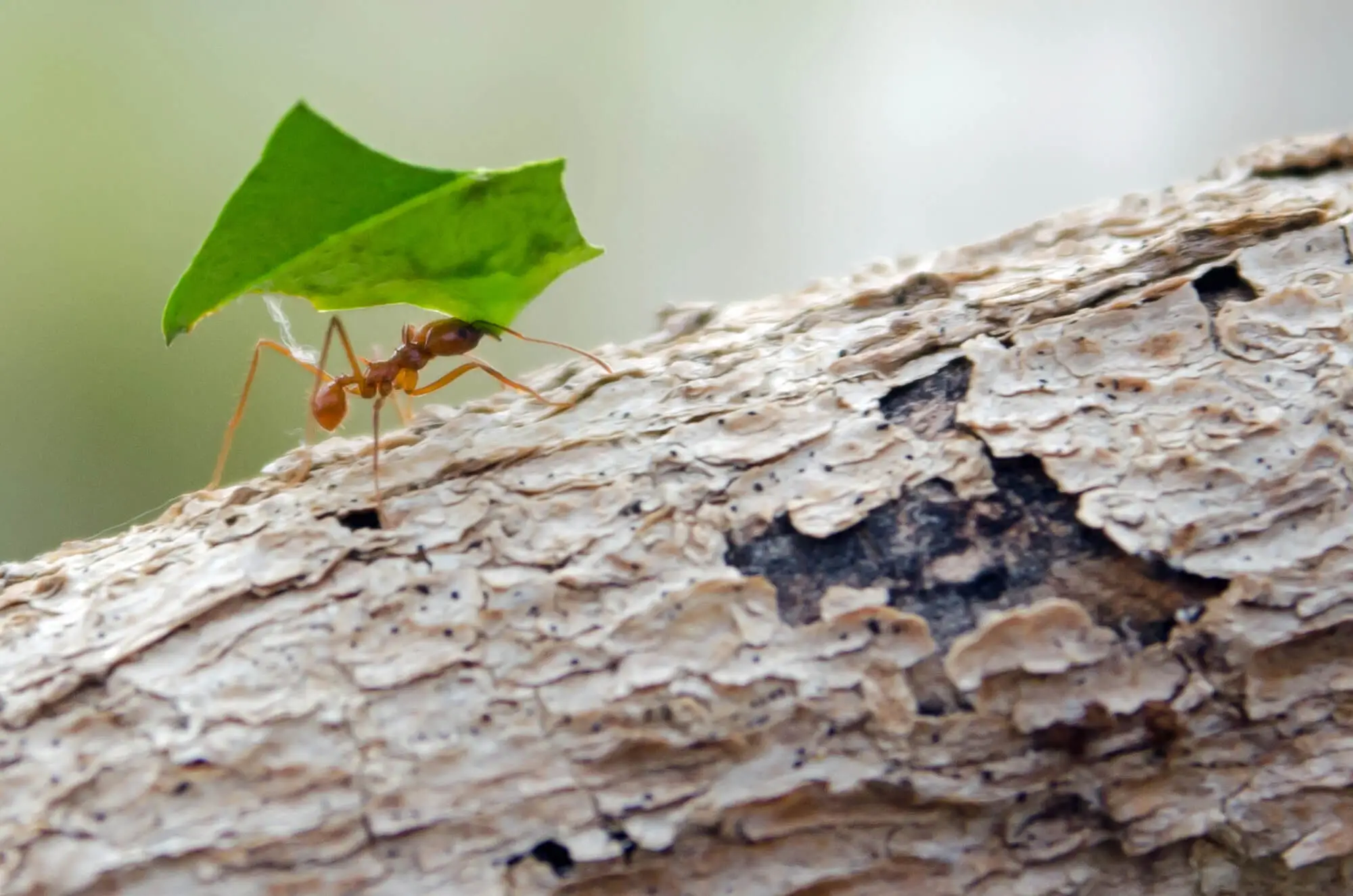
West Palm Beach provides a year-round ideal environment for ants with its warm temperatures and high humidity, allowing colonies to remain active without winter shutdowns. The moist soil and plentiful food sources mean ants can easily find water without digging deep. Additionally, storms can push many species closer to the surface and structures.
Backyards provide ants with diverse food sources, including nectar, fallen fruit, grill drippings, plant debris, honeydew from aphids, and pet bowls. Ants require minimal sustenance, and crumbs and sugars are sufficient for survival. Landscaping with tropical plants can attract insects that ants eat, ensuring a steady food supply right outside your door.
Ants can build nests in various locations throughout your yard, including soil beds, palm trees, mulch, tree roots, cracks in pavers, stone borders, and damp corners. Some dig deep tunnels, while others nest under landscaping fabric or in decayed wood. This variety allows different ant species to coexist in the same yard.
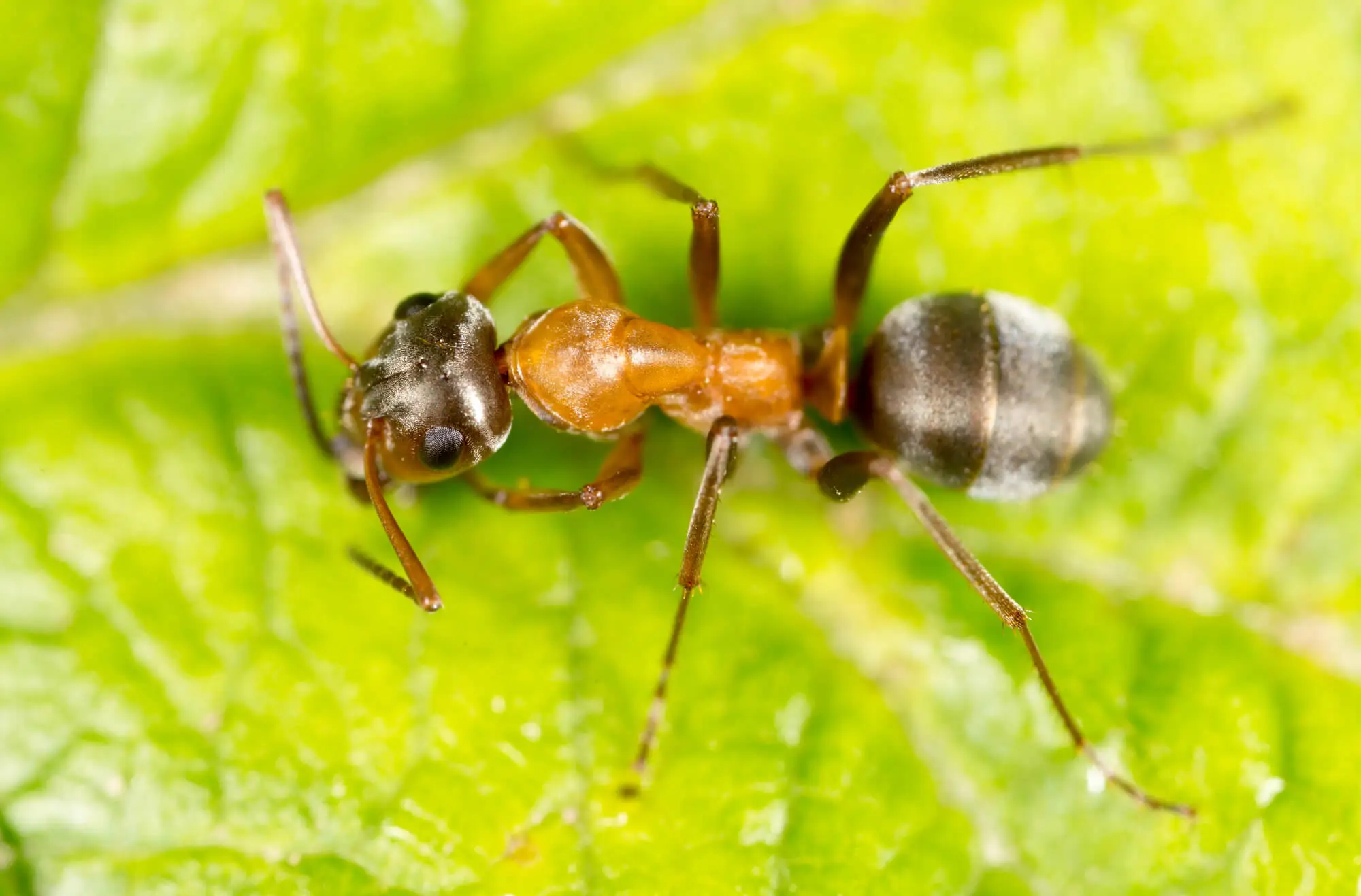
Below are the species most likely active around your home. Each one behaves differently, looks distinct, and poses unique problems.
Ghost ants are tiny, fast, and often overlooked until seen in large numbers. With dark heads and nearly see-through bodies, they nest outdoors in moist soil and indoors near sinks and kitchens. Their attraction to sweets leads them to invade pantries.
These ants form small colonies and quickly scatter when disturbed, making spot treatments ineffective. They typically travel along fence lines and patio edges before entering homes.
Big-headed ants are identifiable by their large-headed soldiers and smaller workers. They build extensive underground networks that can dominate yards, displacing other species.
Their mounds consist of loose soil along borders, sidewalk cracks, and driveways. They can enter homes through small gaps near foundations. Recognizing them early is crucial due to their rapid population growth.
Fire ants build dome-shaped mounds, often in sunny open areas. These mounds may look harmless, but the ants inside are aggressive. When disturbed, fire ants swarm fast and sting repeatedly. Their stings can cause severe burns and trigger allergic reactions.
Fire ants thrive in Florida due to warm temperatures and steady rainfall. They prefer fields, lawns, and open soil near driveways. Heavy rains push them upward, creating visible mounds that pose risks to pets and those walking barefoot.
Carpenter ants, one of the largest species in West Palm Beach, don't eat wood but hollow it out for nesting, potentially causing structural issues if they invade homes. They commonly nest in rotting logs, dead tree limbs, old stumps, wooden fences, and shaded mulch piles.
If you see sawdust-like shavings near wood, increased ant activity on trees, or ants moving along utility lines, carpenter ants may be nearby. They prefer damp, decaying wood, so moisture problems in fences or decking can attract them.
Crazy ants earned their name from their rapid, erratic movement. Instead of following straight trails, they scatter in unpredictable patterns. They love moisture and often gather around AC units, water pumps, drains, and sprinkler systems.
These ants nest in mulch, leaf litter, and damp soil. Their colonies grow fast and sometimes reach sizes large enough to overwhelm outdoor equipment. They invade homes easily when outdoor moisture spikes.
White-footed ants are easily recognized by their dark bodies and pale yellow legs. They thrive in moist, shaded areas, such as under palm fronds and among shrubs. Colonies can number in the hundreds of thousands, leading to noticeable trails on walls and soffits.
Although they don't sting or bite, their large numbers can be a nuisance, often invading homes near moisture sources, such as bathrooms and sinks. They feed on honeydew from aphids and scale insects, making gardens appealing. Due to their extensive colonies, simple treatments often fail, allowing them to persist.
Argentine ants are adaptable and fast-spreading, known for their supercolonies. Their medium-sized brown workers create organized trails, thriving in humid areas like West Palm Beach, where they have access to water. They often inhabit irrigated lawns, mulch beds, and gardens.
As they expand, Argentine ants displace other species and operate with multiple queens, making control difficult since colonies share workers and resources among them. In backyards, they travel between mulch, foundation edges, and shaded soil. When food or humidity becomes an issue, they frequently move indoors.
The warm, humid climate of West Palm Beach creates ideal moisture pockets in yards. Mulch helps retain humidity, keeping soil damp, which attracts species like ghost ants and big-headed ants that use it for nesting. Irrigation systems further support ant populations throughout the year.
Ants also gather around AC condensation lines, leaky hoses, or low spots where water collects. Even minor moisture sources promote colony activity, especially in shaded areas with slow evaporation.
Dead palm fronds, rotting stumps, and wood piles attract ants, particularly carpenter ants that thrive in decayed wood. Leaf piles and plant debris offer insulation and moisture, creating ideal nesting conditions. As ants tunnel beneath these materials, they expand their networks, making areas rich in foliage attractive for nesting.
Brick walkways, concrete slabs, pool decks, and patios create warm environments that promote ant colony growth. Gaps between pavers and cracks in patios allow ants to create underground chambers. Big-headed ants and fire ants utilize these protected spaces.
Expansion joints along driveways and sidewalks offer natural cover, enabling ants to follow trails in dark, sheltered areas. Homeowners may find signs of ant activity, such as small soil piles, indicating a nest is present below.
Trees, shrubs, and ornamentals attract ants because of shade, nectar, and debris. Ant species such as white-footed, ghost, and Argentine ants feed on aphids and scale insects commonly found in tropical landscaping. Heavy vegetation offers hiding spots and food sources.
Palm trees are especially enticing to ants as fallen fronds retain moisture and harbor insects. Thick shrubbery also creates protected paths for ants heading toward homes, particularly when it touches exterior walls, making indoor access easier.
Backyards have many overlooked food sources for ants. Nectar from flowering plants attracts them, while honeydew from insects offers a steady meal. Ripened fruit from trees provides sugar, and lawn debris contains fungi that some ants eat.
Outdoor kitchens, grills, and trash also contribute. Small spills, sauces, and pet food bowls left outside quickly attract ants. Even a few crumbs can sustain a colony.
Wet soil provides a long-term habitat for ants, aided by sprinklers, hose leaks, and drip systems that keep the ground moist. Shaded areas remain damp, making them ideal for nests. During heavy rainfall, ants may move from flooded chambers to higher ground or near a home's foundation.
Ants thrive near warmth, shade, and cover. Pavers, stones, logs, palm debris, and dense plant roots all create insulated nesting pockets. These areas protect colonies from predators and weather fluctuations. Even decorative landscaping accents, such as statues, planters, and stepping stones, provide a sense of refuge.
After identifying the ant species in your yard, the next step is to reduce their activity. Many homeowners don't realize how their yard care habits affect ant populations. Making small adjustments can make your landscape less attractive to ants and decrease the likelihood of them coming indoors.
To prevent ants, keep your yard tidy. Ants thrive in clutter, shade, and moisture, which are common in Florida backyards. Improving airflow and reducing debris can help improve the situation.
Ants in South Florida are particularly drawn to water sources, so it's essential to reduce moisture in your yard.
Ants are easily attracted to food. While many backyard ants eat natural sugars, leftover food helps them grow quickly.
Although this section focuses on the backyard, sealing the house remains crucial. Ants almost always start outside. Closing off their access routes stops them from becoming indoor problems.
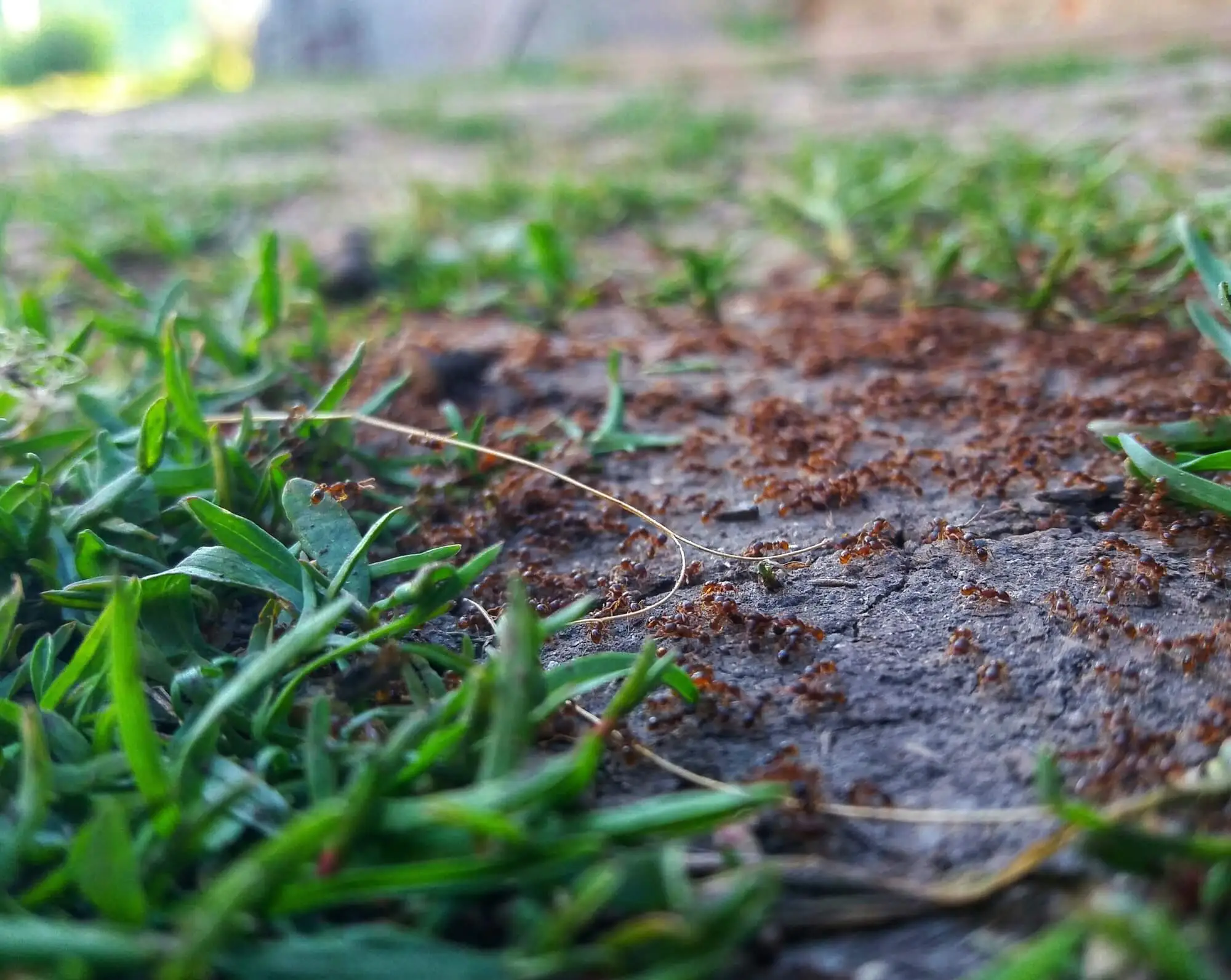
Outdoor ant populations don’t always stay outside. Once conditions shift, such as rain, drought, or temperature changes, ants often relocate indoors, seeking food or shelter. Understanding early warning signs helps you respond before an infestation takes hold.
Ant populations in West Palm Beach can quickly increase due to the warm climate. While some species are easy to manage, others may require professional assistance before homeowners notice the issue.
Knowing when to seek help protects your home and yard. Here are signs that a backyard ant infestation needs expert support.
If you notice multiple mounds in your yard, you likely have a large ant colony. Fire ants, big-headed ants, and Argentine ants build connected nests. Treating just one mound won’t help, as the nests can spread across your lawn, flower beds, and trees, making the colony too big for DIY control.
Fire ants require caution as their mounds can lead to coordinated attacks if disturbed, resulting in painful stings. If you see fire ants where pets or children play, it's crucial to seek professional treatment for the safety of all involved.
Argentine ants also need expert handling due to their rapidly regenerating supercolonies, which can resist store-bought products.
Homeowners often use gels, sprays, or bait stations to address small ant problems, but larger colonies in West Palm Beach require a more comprehensive approach. If ants return every few weeks, it indicates the main colony remains untouched.
Many species can split their nests when stressed, worsening the issue. New trails forming shortly after treatment suggest the problem is deeper in the yard.
When outdoor ant colonies expand or conditions change, ants such as ghost ants, white-footed ants, and Argentine ants often migrate indoors, typically near sinks and windows.
Carpenter ants prefer humid areas and moist wood. If ants continue to appear indoors despite thorough cleaning, it suggests an active outdoor colony, indicating a need for intervention if the problem persists for over a week.
Professional ant treatments are different from DIY options. Technicians follow systems built around identification, mapping, and multi-target strategies.
Every ant species requires a specific approach. Technicians examine nests, trails, food sources, and moisture pockets to determine which species you’re dealing with. This step is crucial because using the wrong treatment can make some colonies spread.
Professionals use products that ants bring back to the colony. Instead of killing just the ants you see, these treatments reach queens and workers hidden deep in tunnels. Non-repellent liquids eliminate colonies without triggering the defensive spread that often happens with store-bought sprays.
A thorough inspection identifies weak points around the home, including plumbing leaks, soil grade issues, overwatered beds, and gaps around the foundation. Technicians explain which changes will reduce activity in the long term.
Because ants in West Palm Beach remain active year-round, many homeowners benefit from maintenance treatments. These visits keep new colonies from forming and help maintain control as seasonal conditions shift.
Even with professional treatment, your participation helps keep activity low. Consistent habits support long-term success:
The combination of professional treatment and smart homeowner habits delivers reliable results.
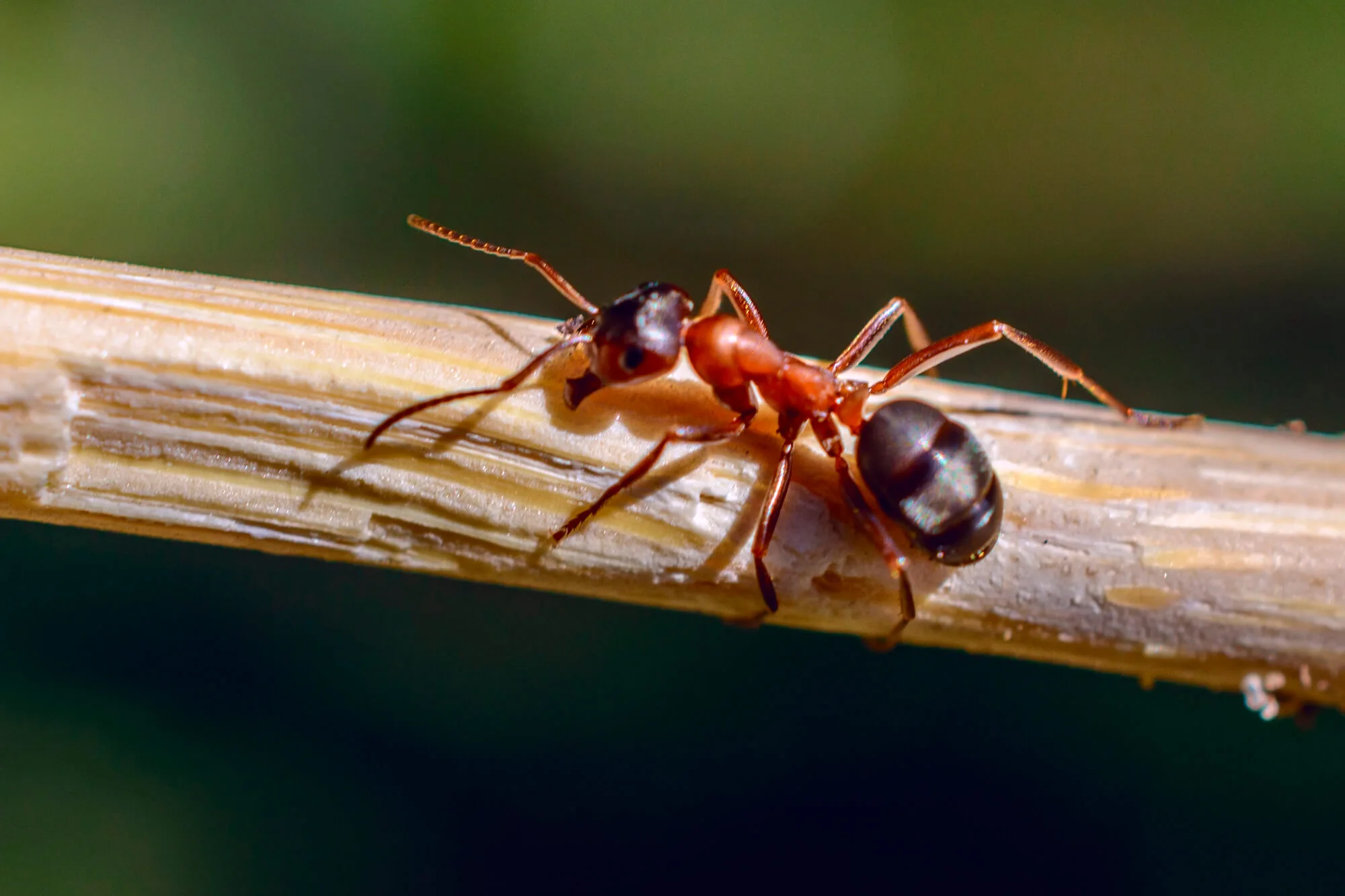
If you have an ant problem, such as multiple nests, indoor activity, stings, or property damage, it's best to call a professional.
O’Hara Pest Control is a trusted choice for effective ant control. We offer inspections, targeted treatments, and long-term prevention for tough ant species. Our team understands local pest behavior and tailors solutions to meet the specific needs of your yard. Contact us today for a professional inspection to restore your comfort and peace of mind.


.png)
